Feature
MOTS-c: Where the Evidence Ends
Studies offer clues about ageing and metabolism. What do they actually tell us about human health—and where does expert opinion take over?

Studies offer clues about ageing and metabolism. What do they actually tell us about human health—and where does expert opinion take over?
Studies offer clues about ageing and metabolism. What do they actually tell us about human health—and where does expert opinion take over?

Editorial Picks
Trending News
Based on last 48h engagement
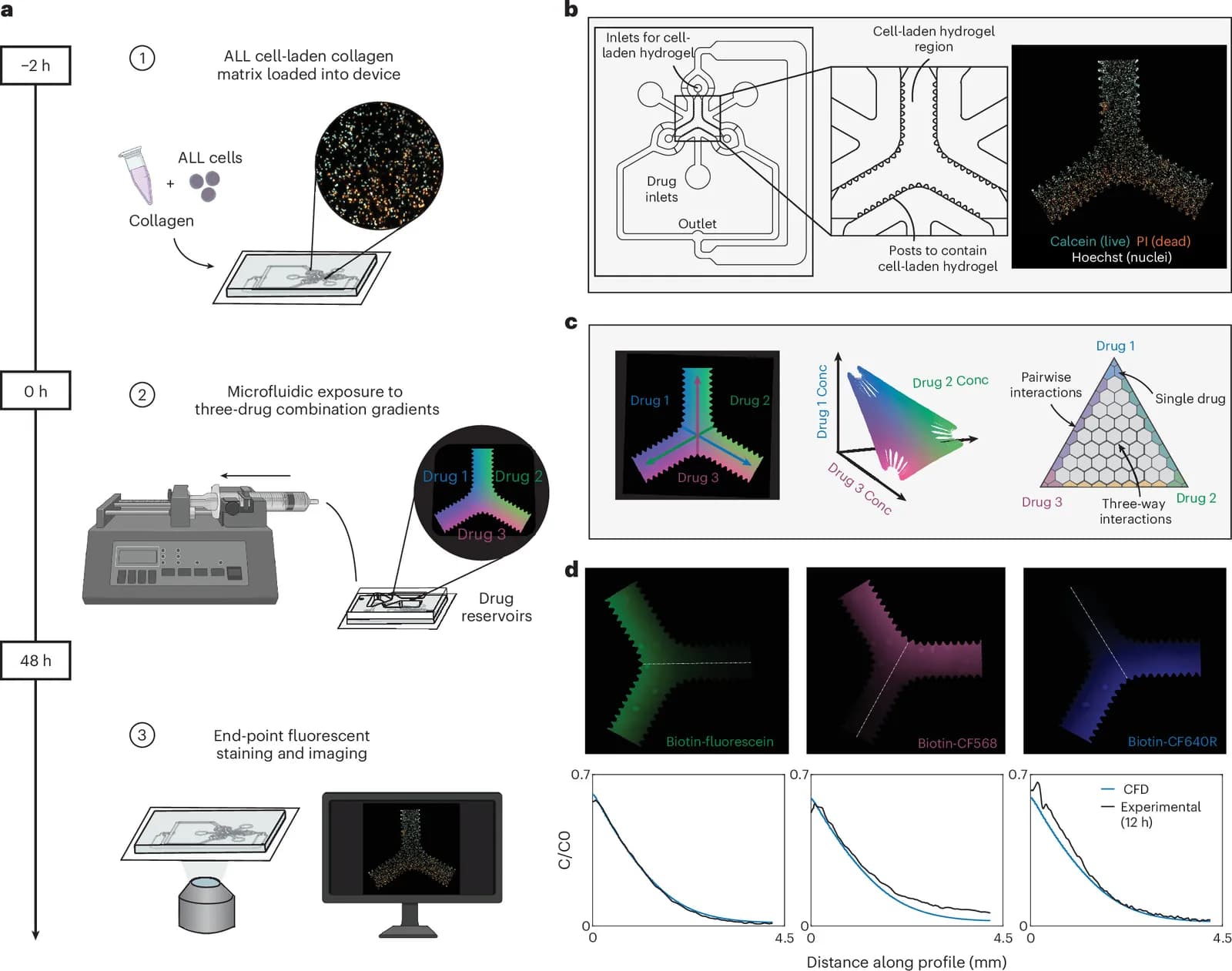 Gradient-driven microfluidic framework for the screening of ratiometric drug combinations towards precision oncology in paediatric leukaemia
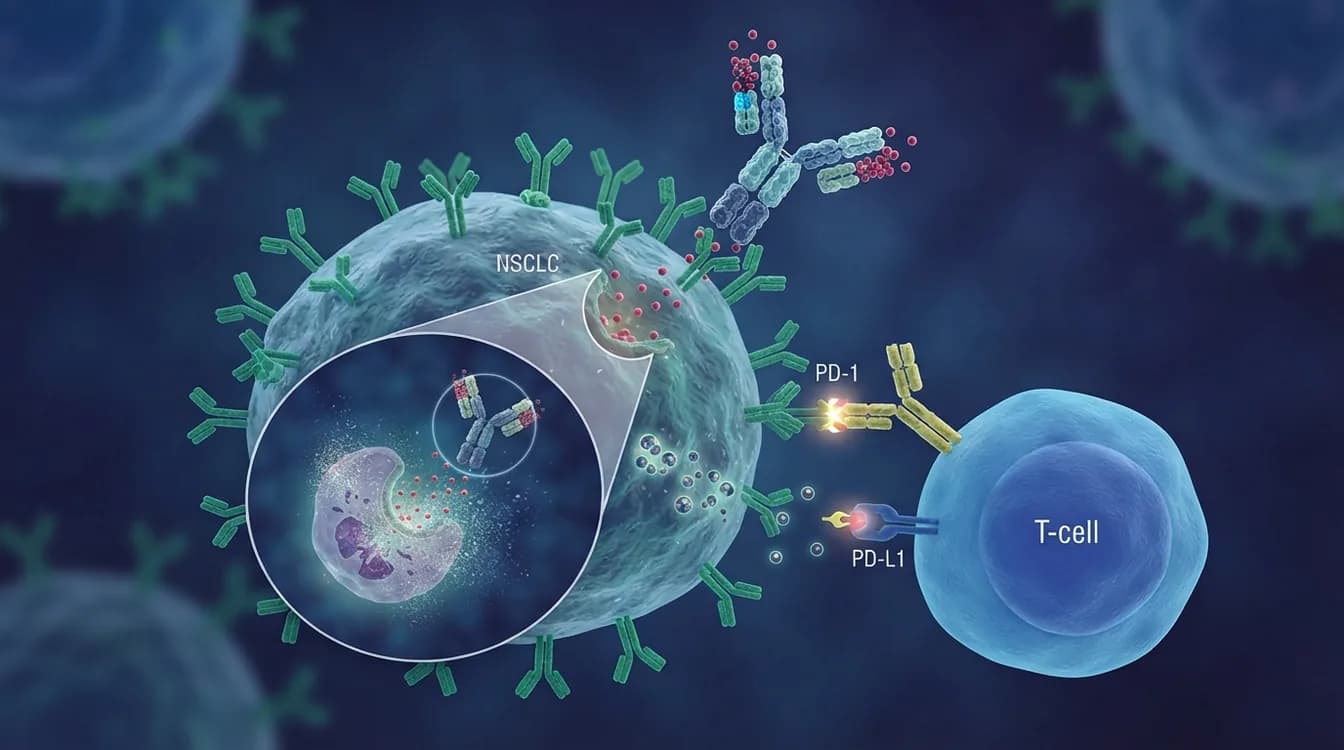 Bio-Thera Announces Promising Clinical Data for BAT8008 in Combination with BAT1308 in First-Line Non-Small Cell Lung Cancer at ESMO 2026
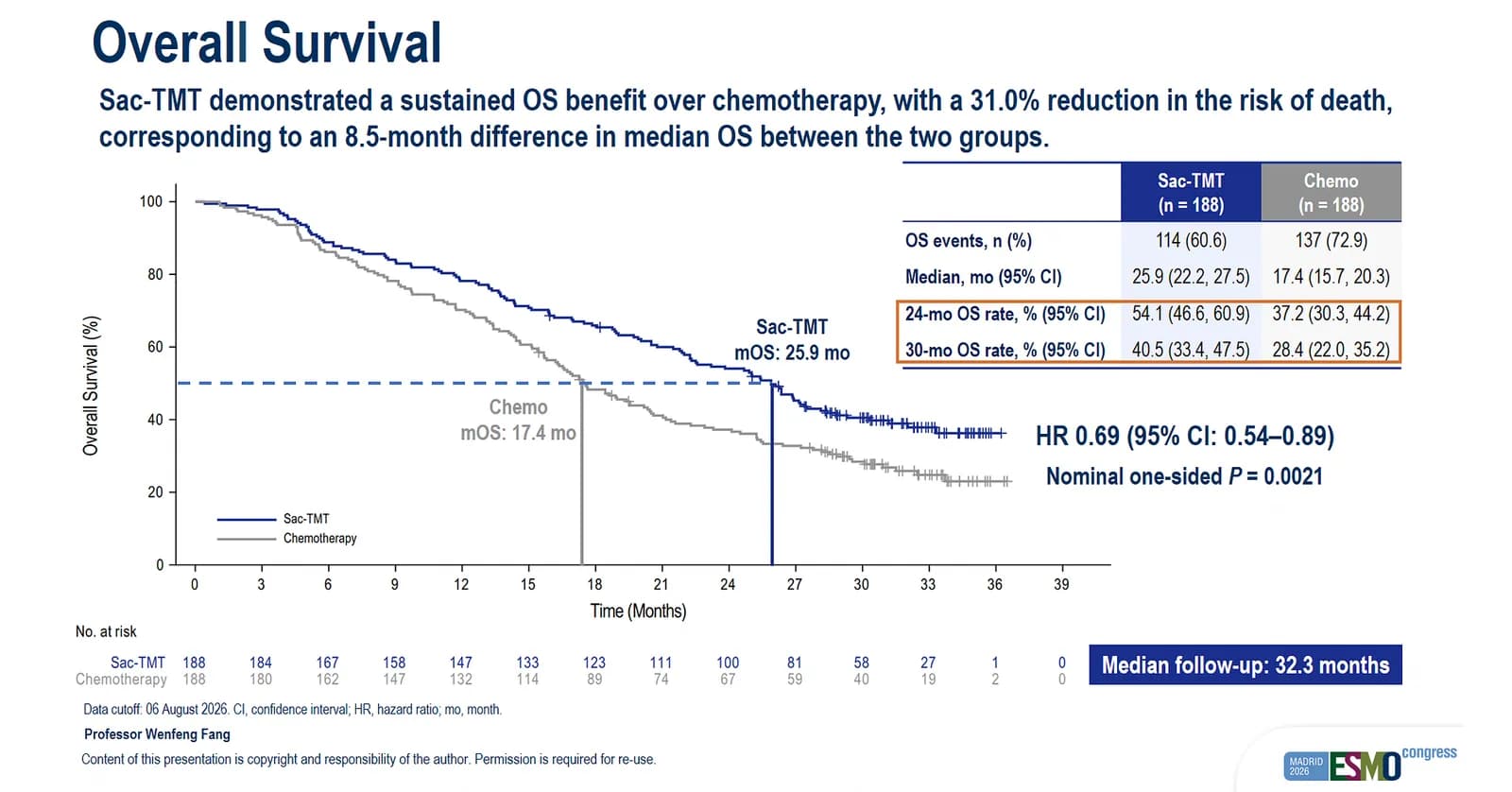 Final OS Analysis Results from Phase III OptiTROP-Lung04 Study of Sacituzumab Tirumotecan (sac-TMT) Presented at 2026 ESMO
 The Results of Phase III OptiTROP-Lung06 Study of Sacituzumab Tirumotecan (sac-TMT) Presented as an ESMO Oral Presentation and Simultaneously Published in The New England Journal of Medicine
 Urinary succinate is associated with kidney injury in type 2 diabetes mellitus: a cross-sectional analysis
Upcoming Events
View calendar 26. OCT 2026 - 28. OCT 2026THE LIVE Barcelona 2026Media Partner★
 29. OCT 2026 - 31. OCT 2026CEE Longevity Summit & Retreat 2026
 31. OCT 2026 - 8. NOV 2026Parkhotel Longevity Retreat — October 2026
 1. NOV 2026 - 3. NOV 2026Biology of Aging Symposium V 2026: The Possibilities of Aging and Health
 1. NOV 2026 - 6. NOV 2026Atlas Cove Longevity Residency — November 2026
Phase 1 trial reported confirmed RECIST responses in 12 of 16 evaluable, heavily pretreated patients.

In mice, Matrigel improved histological repair of excisional skin wounds; placental stromal cells added modest benefit.
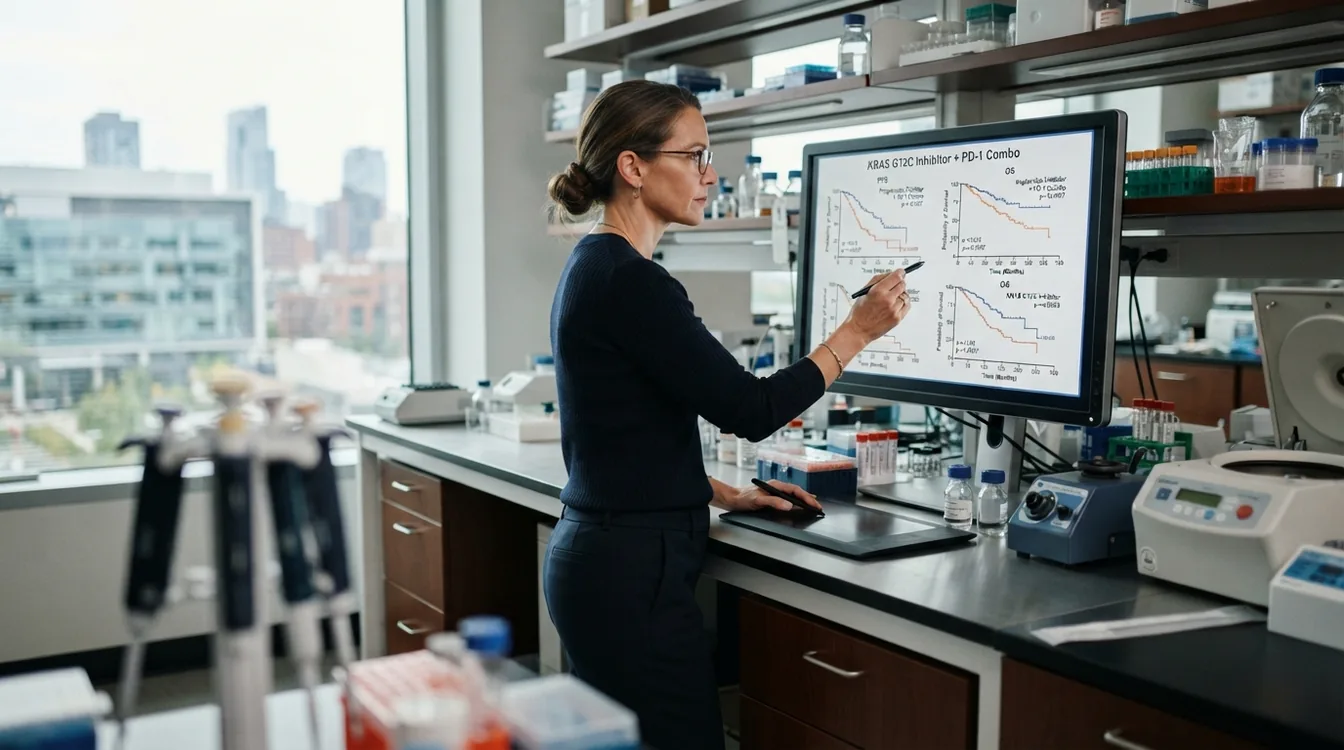
Phase 1/2 and Phase 3 lead‑in data showed durable responses with olomorasib plus pembrolizumab, with or without chemotherapy.
Higher IL-6, sCD14 and CRP were associated with worse ageing domains in older adults with HIV.