
Longevity News

Innervated human cardiac muscle model reveals sympathetic drivers of KCNH2-associated arrhythmias

Source: Nature - Biotechnology • Published: 02 Sept 2026, 00:00

Innervated human cardiac muscle model reveals sympathetic drivers of KCNH2-associated arrhythmias

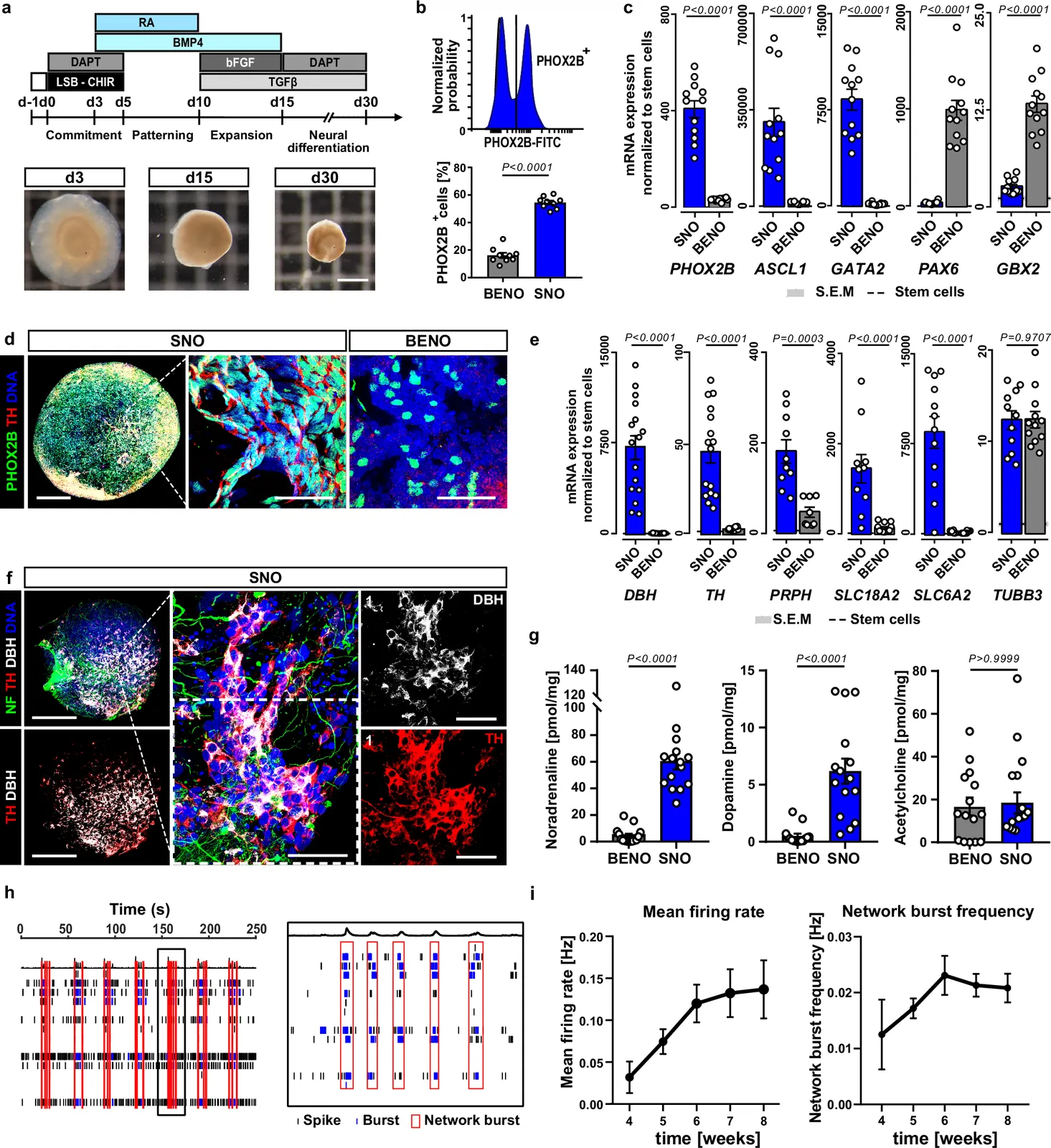
Describes a human 3D innervated cardiac tissue model combining sympathetic trunk–patterned neural organoids with iPSC cardiomyocytes to study neurocardiac interactions and arrhythmia drivers.

Key Takeaways
  • Human tissue engineering in combination with induced pluripotent stem cells (iPSCs)
  • Number of tissue-engineered and organoid models of brain 14
  • Design principle in heart models is the co-culture of CMs with non-myocytes
Read Original Source

Continue exploring

Related longevity signals

Fight Aging!An Adiponectin Receptor Agonist Promotes Muscle Growth in RatsA short primer on a preclinical research article testing a small‑molecule adiponectin receptor agonist as a potential way to stimulate muscle growth and function in rodent models, useful for readers curious about emerging pharmacological strategies against muscle atrophy.TechCrunchMichael Polansky is training an AI model on skin that’s still aliveReport on a startup combining living human skin tissue maintenance with AI to accelerate discovery of new topical cosmetic compounds and testing workflows.Nature - MainHuman brain organoids record the passage of time over multiple years - NatureReports multi‑year human cerebral organoid cultures that continue cell‑type specific maturation and record elapsed time via transcriptional and epigenomic changes.Nature - BiotechnologyVirus-like particles enable targeted gene engineering and pooled CRISPR screening in primary human myeloid cellsA methods-focused article describing a virus-like particle toolkit for delivering diverse CRISPR edits and enabling pooled functional genomics in primary human myeloid cells.