
Longevity News

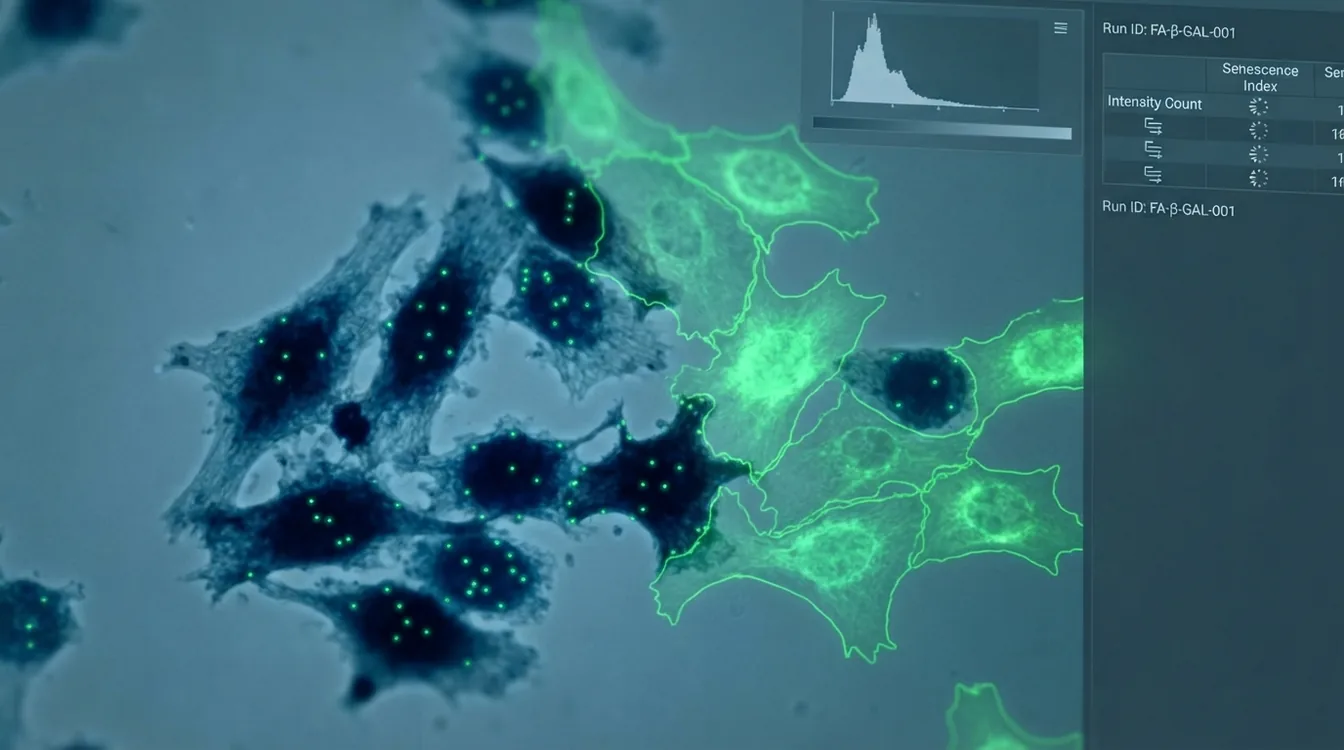
FAβ-gal: an automated fluorescence-based quantification of the senescence-associated beta-galactosidase X-gal assay

Source: Nature - Biotechnology • Published: 05 Sept 2026, 00:00

FAβ-gal: an automated fluorescence-based quantification of the senescence-associated beta-galactosidase X-gal assay

Describes a fluorescence-based workflow that quantifies SA-β-gal activity from the classic X-gal assay and automates image analysis for cells and tissues.

Key Takeaways
  • It is citable and carries a permanent DOI
  • This version is subject to further edits and will be replaced automatically by the final Version of Record
  • Therefore, its study has become crucial for the design of interventions based on its manipulation
Read Original Source

Continue exploring

Related longevity signals

Frontiers - HealthArtificial Intelligence-Based Integration of Imaging, Exposome, and Multi-omics Data for Immune-Related Biomarker Discovery and Precision Prevention in Breast CancerAssess how AI-driven imaging can be combined with exposome and multi-omics data to identify immune-related biomarkers for breast cancer prevention and management.Frontiers - HealthEarly high-dose intravenous methylprednisolone is associated with faster symptom improvement in persistent ocular myasthenia gravis: a single-center retrospective studyOcular myasthenia gravis treatment strategies are compared to show whether early high‑dose IV steroid induction speeds short‑term symptom relief and recovery trajectory.Nature - BiotechnologyMicrodroplet-based high-throughput screening for antagonistic bacteria targeting penaeid shrimp pathogenic Vibrio harveyiDescribes a microdroplet microfluidics workflow to screen environmental bacteria for antagonism against a shrimp pathogen, isolating rare candidate strains from rearing water.Frontiers - HealthTumor-associated macrophages in gastric cancer peritoneal metastasis: orchestrating immune evasion, niche remodeling, and therapeutic resistanceReview of how diverse peritoneal macrophage populations drive immune suppression and therapeutic resistance during gastric cancer peritoneal metastasis.