Masters of Longevity - The Pulse

Fight Aging!18 Jun 2026
AIBMAL1 as a Potential Lever to Influence Macrophage Behavior (Fight Aging!)

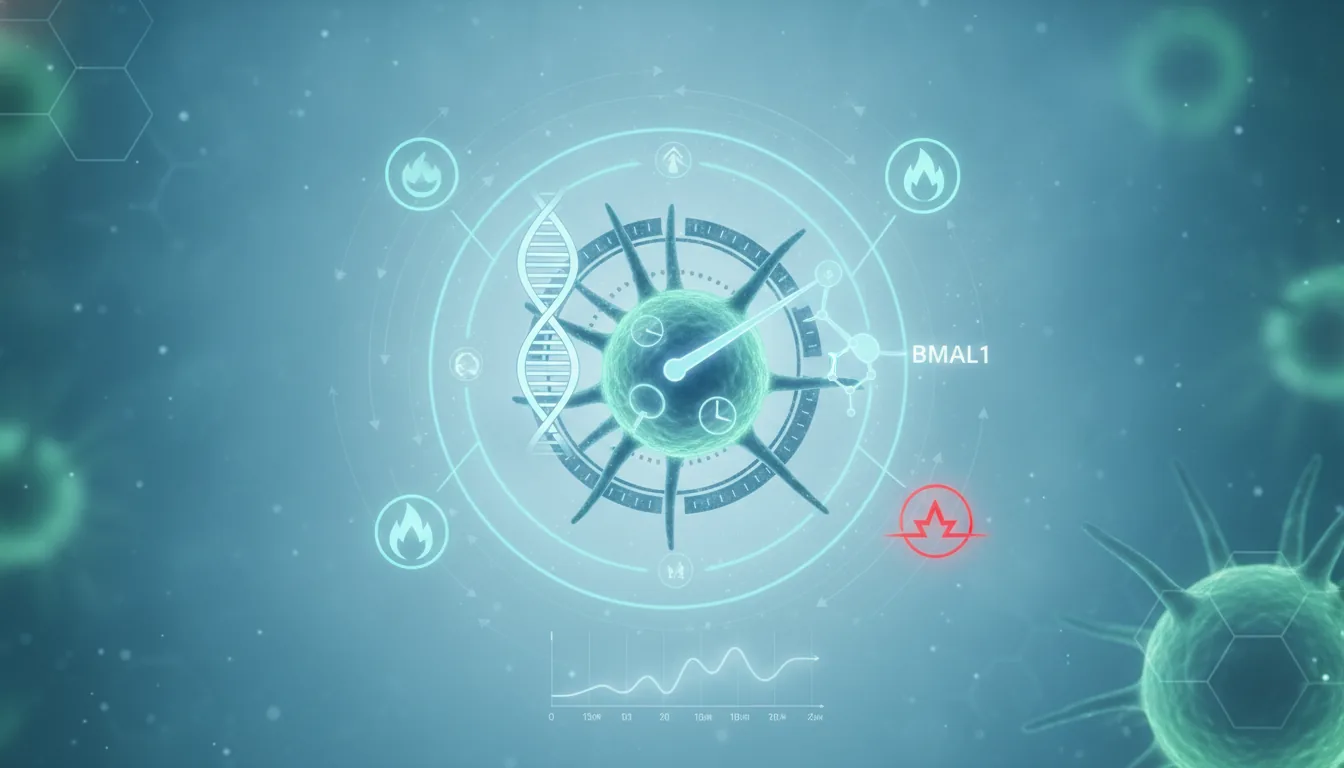
BMAL1 as a Potential Lever to Influence Macrophage Behavior

Examine research connecting circadian clock control to macrophage polarization and its implications for timing and targeting inflammatory therapies.

Key takeaways
  • Which likely glosses over many lesser differences that are important in some contexts.
  • These macrophages can exist in two different states.
  • Previous studies have revealed that macrophage activity is closely linked to the circadian clock.
Frontiers - Health19 Jun 2026
AIBletilla striata oligosaccharides alleviate high-fat diet-induced metabolic associated fatty liver in mice through modulation of gut microbiota and host metabol

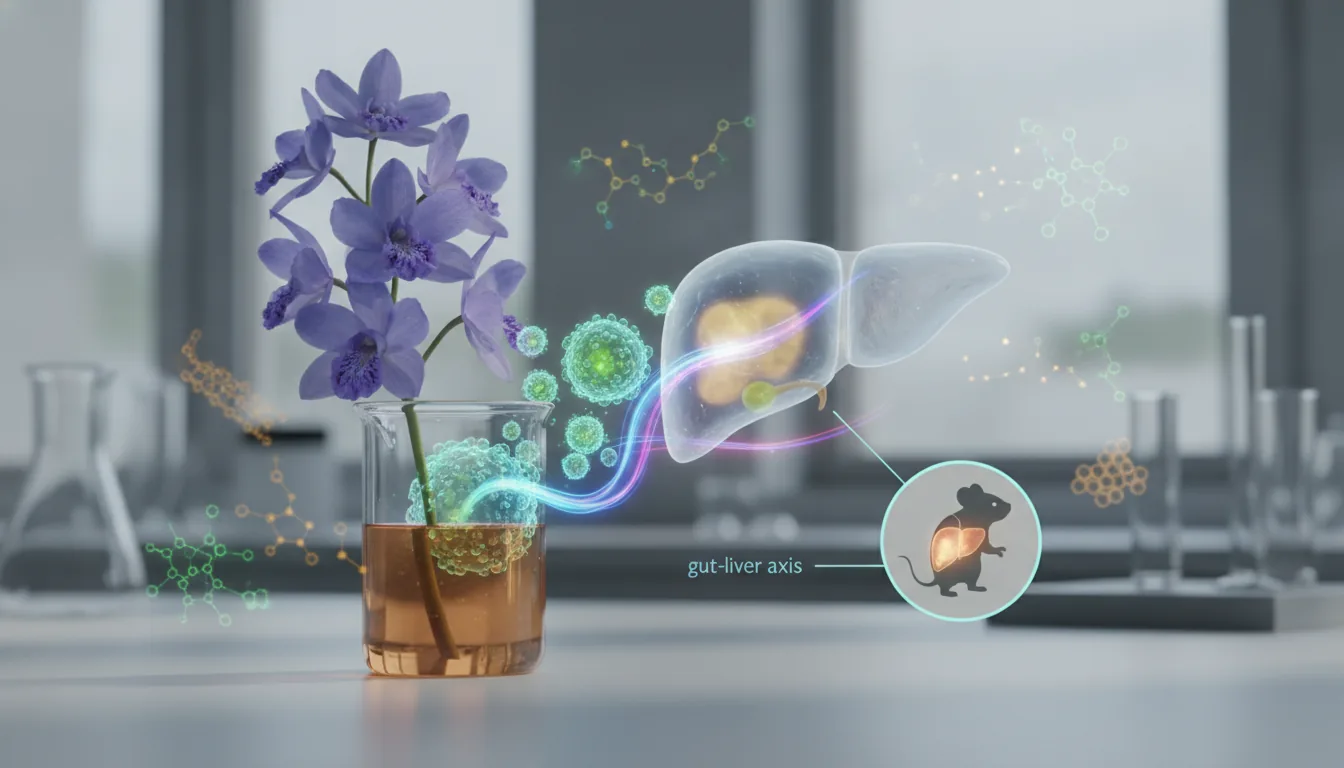
Bletilla striata oligosaccharides alleviate high-fat diet-induced metabolic associated fatty liver in mice through modulation of gut microbiota and host metabolism

Examine how a plant-derived oligosaccharide reshapes the gut-liver axis and host metabolism to reverse diet-induced fatty liver in mice.

Key takeaways
  • Treatment restored gut barrier integrity and activated colonic LXRα/ABCA1 signaling.
  • BSO enriched Lachnospiraceae and Oscillospiraceae and normalized bile acid profiles via FXR/FGF15.
  • High-dose treatment reduced body weight gain, fasting glucose, and liver triglycerides.
Neuroscience News18 Jun 2026
Aging Immune Networks Linked to Parkinson’s Progression (Neuroscience News)

Aging Immune Networks Linked to Parkinson’s Progression

How researchers are creating open, standardized research tools to advance precise studies of Parkinson's biological diversity.

Key takeaways
  • Group will study immune-cell exhaustion in idiopathic and familial forms of Parkinson’s cases.
  • Tansey and her team have been selected to join the Collaborative Research Network.
  • Age is the greatest risk factor for Parkinson’s disease.
Frontiers - Health19 Jun 2026
AIThe role of protein lactylation in skin diseases: From molecular mechanisms to potential therapeutics (Frontiers - Health)

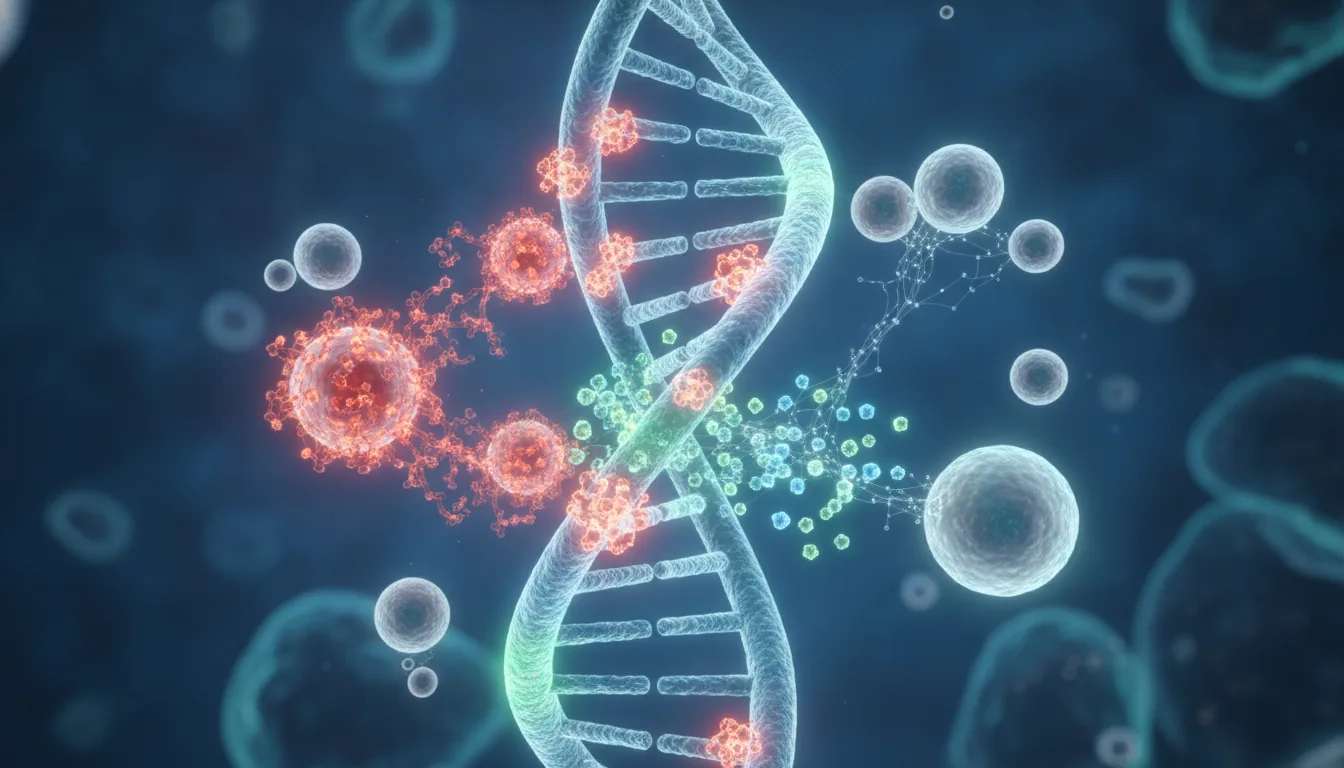
The role of protein lactylation in skin diseases: From molecular mechanisms to potential therapeutics

Assess advances connecting lactate-driven protein modification with inflammatory and malignant skin conditions, and its translational therapeutic angle.

Key takeaways
  • Protein lactylation is a lactate-derived post-translational modification regulating gene transcription.
  • Lactylation has been implicated in psoriasis, melanoma, atopic dermatitis, scarring, and skin ageing.
  • Lactylation-related inhibitors show therapeutic potential across cancer.