
Longevity News

Stiffness of the Extracellular Matrix May Drive Some Age-Related Changes in Gene Expression

Source: Fight Aging! • Published: 27 Aug 2026, 10:22

Stiffness of the Extracellular Matrix May Drive Some Age-Related Changes in Gene Expression

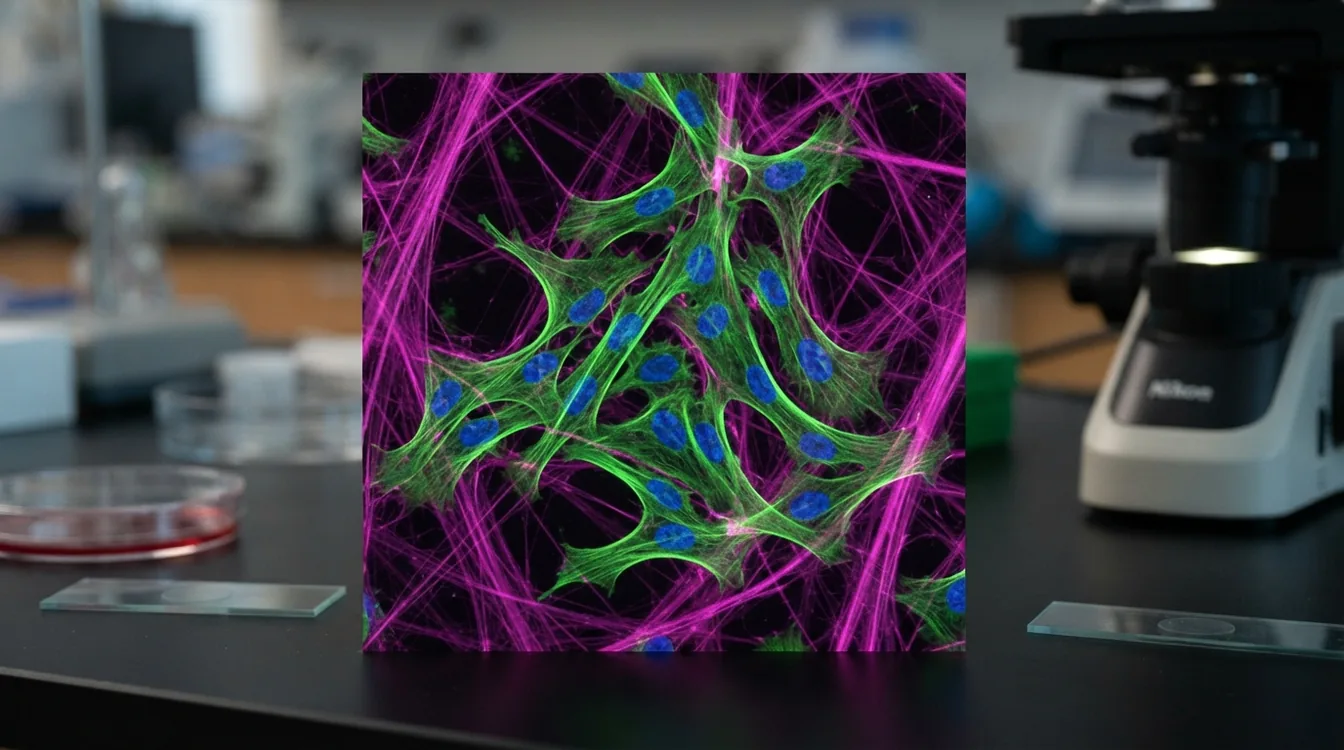
Extracellular matrix stiffness is examined in a lab study as a potential physical trigger of cellular aging, inviting readers to see what that implies for tissue rejuvenation.

Key Takeaways
  • Cells grown on softer hydrogels showed upregulation of longevity‑associated genes compared with stiffer substrates
  • Stiffer hydrogels produced elongated cell morphologies and gene expression patterns characteristic of aging
  • Modulating substrate stiffness reversed the aging‑linked phenotype and increased autophagic activity in cells
Read Original Source

Continue exploring

Related longevity signals

Frontiers - HealthErgothioneine, collagen peptides, and sodium hyaluronate ameliorate facial skin aging via modulating oxidative stress, inflammation, and extracellular matrix homeostasisProfiles a dual ex vivo and clinical study testing an oral combination of an antioxidant, collagen peptides, and hyaluronate for improving facial skin aging signs and biomarkers.Fight Aging!Age-Related Changes in Metabolism that Contribute to Inflammatory Microglia in the BrainHow metabolic shifts in aging brain immune cells influence their inflammatory behavior — a short review guiding readers through emerging research angles.Fight Aging!The NLRP3 Inflammasome in Age-Related Macular DegenerationThe NLRP3 inflammasome’s role in retinal inflammation and degeneration is examined; readers will open an expert review of mechanisms and therapeutic directions.Fight Aging!In Search of Robust Biomarkers to Connect Cellular Senescence to Age-Related Chronic InflammationA review examines efforts to identify robust biomarkers that link accumulating senescent cells and their SASP to chronic age-related inflammation and disease.