
Longevity News

Mistranslation Mutations in Flies Surprisingly Extend Life

Source: Fight Aging! • Published: 31 Aug 2026, 10:11

Mistranslation Mutations in Flies Surprisingly Extend Life

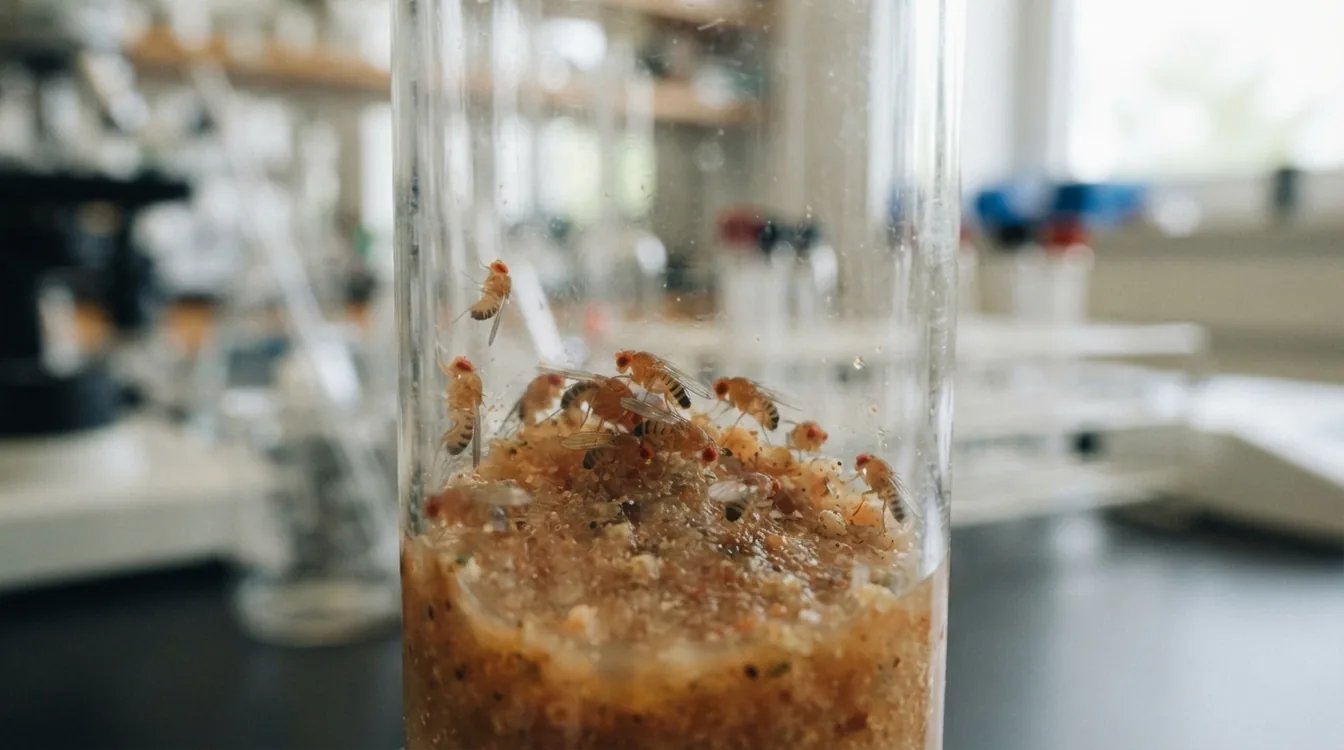
Reports on how specific RNA-to-protein mistranslation mutations in fruit flies produce a surprising, sex-specific lifespan increase and reproductive resilience.

Key Takeaways
  • Valine-to-serine and threonine-to-serine mistranslation mutations increased longevity in female Drosophila
  • Mated females with these mistranslations showed reduced mortality risk beyond additive effects of mistranslation alone
  • Longevity gains were not explained by reduced egg laying or fertilization deficits in mistranslating females
Read Original Source

Continue exploring

Related longevity signals

Fight Aging!Greater Vascular Health in Mid-Life Reduces Later Risk of DementiaMidlife vascular health matters: this article previews a cohort study examining how midlife diabetes, hypertension, and smoking relate to later dementia-free survival. It invites readers curious about long-term brain aging and preventable risk patterns.Fight Aging!Bacterial Lipoic Acid Protein Ligase A Improves Mammalian Mitochondrial Function and HealthThis article previews research on using a bacterial enzyme to boost mitochondrial protein modification and overall cellular energy, framed as a potential metabolic-enhancing therapy. It invites readers curious about cross-species gene therapy approaches aimed at improving healthspan and age-related function.Frontiers - HealthBeyond privacy calculus: public acceptance of non-invasive therapeutic brain-computer interfaces in ChinaExamines Chinese public acceptance of non‑invasive therapeutic brain‑computer interfaces and tests whether health stakes alter standard privacy‑cost tradeoffs.Nature - BiotechnologyNovel antimicrobial peptides derived from Brevibacillus laterosporus DSM 25 targeting MurT ligase exhibit broad-spectrum activity against drug-resistant pathogensReports discovery and initial characterization of two antimicrobial peptides from a bacterial proteome that bind MurT ligase and kill drug-resistant bacteria in vitro.