
Longevity News

Engineering inflammation-responsive proteins through nitric oxide-caged amino acids

Source: Nature - Biotechnology • Published: 31 Aug 2026, 00:00

Engineering inflammation-responsive proteins through nitric oxide-caged amino acids

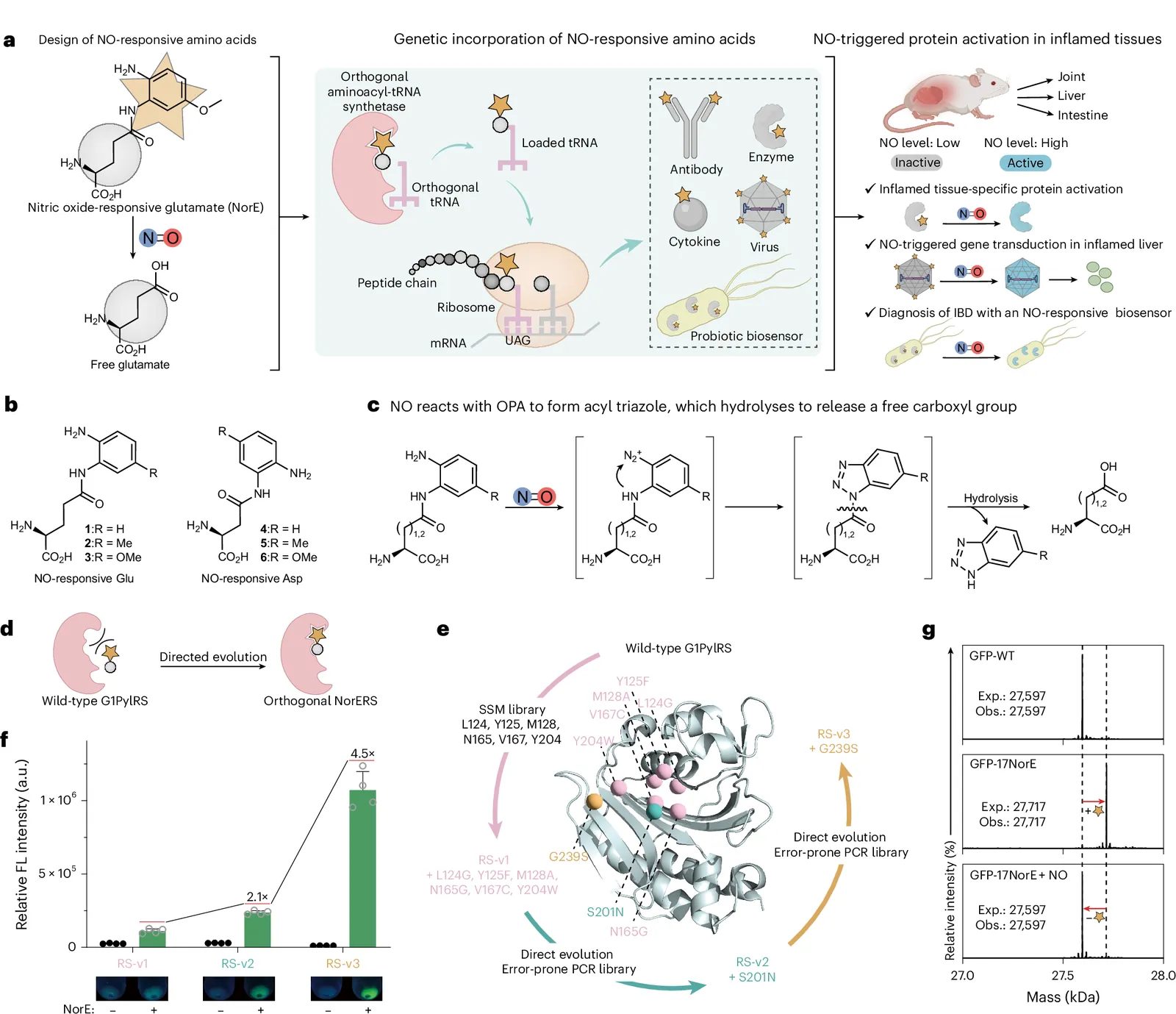
Describes a protein engineering method that uses nitric oxide-triggered decaging of masked amino acids to restore protein function selectively in inflamed tissues.

Key Takeaways
  • 2: Characterization of NO-responsive activation in engineered antibody and luciferase
  • 5: NO-responsive AAV enables gene transduction specifically in inflamed liver
  • Any additional raw data and materials are available from the corresponding author (T.L.) on reasonable request
Read Original Source

Continue exploring

Related longevity signals

Fight Aging!Physical Activity Correlates with Reductions in TMAO, Inflammation, and Harmful Bone RemodelingPhysical activity piece previewing research on how habitual exercise links to gut-driven inflammation and bone aging mechanisms. It invites readers curious about molecular pathways behind exercise’s skeletal benefits.Nature - BiotechnologyDesign and characterization of an injectable biohybrid hydrogel based on chitosan/silk fibroin/hyaluronic acid and containing bioactive glass for bone tissue engineeringCovers development and lab characterization of an injectable biohybrid hydrogel combining natural polymers and bioactive glass for bone repair applications.Frontiers - HealthErgothioneine, collagen peptides, and sodium hyaluronate ameliorate facial skin aging via modulating oxidative stress, inflammation, and extracellular matrix homeostasisProfiles a dual ex vivo and clinical study testing an oral combination of an antioxidant, collagen peptides, and hyaluronate for improving facial skin aging signs and biomarkers.Nature - BiotechnologyArugula nanovesicles counteract diet-induced obesity and modulate gut inflammation and microbiota in vivoReport on plant-derived nanovesicles from arugula that target the gut to reduce diet-induced weight gain and inflammation.