Masters of Longevity - The Pulse

Frontiers - Health21 Jul 2026
AIJ2R/F4L deleted oncolytic vaccinia virus synergizes with tumor specific killer (ELANE) promotes antitumor immunity with superior safety (Frontiers - Health)

J2R/F4L deleted oncolytic vaccinia virus synergizes with tumor specific killer (ELANE) promotes antitumor immunity with superior safety

Reports engineering of a dual-deleted vaccinia virus that delivers a tumor‑selective neutrophil protease to enhance oncolytic and immune responses in tumors.

Key takeaways
  • Broad-spectrum anticancer therapies are challenging due to the spatial and temporal tumor heterogeneity ( 1 ).
  • Serum-free conditioned media from human PMNs displayed tumor-selective cytotoxicity.
  • Functional studies revealed that human neutrophil elastase (ELANE).
Nature - Biotechnology21 Jul 2026
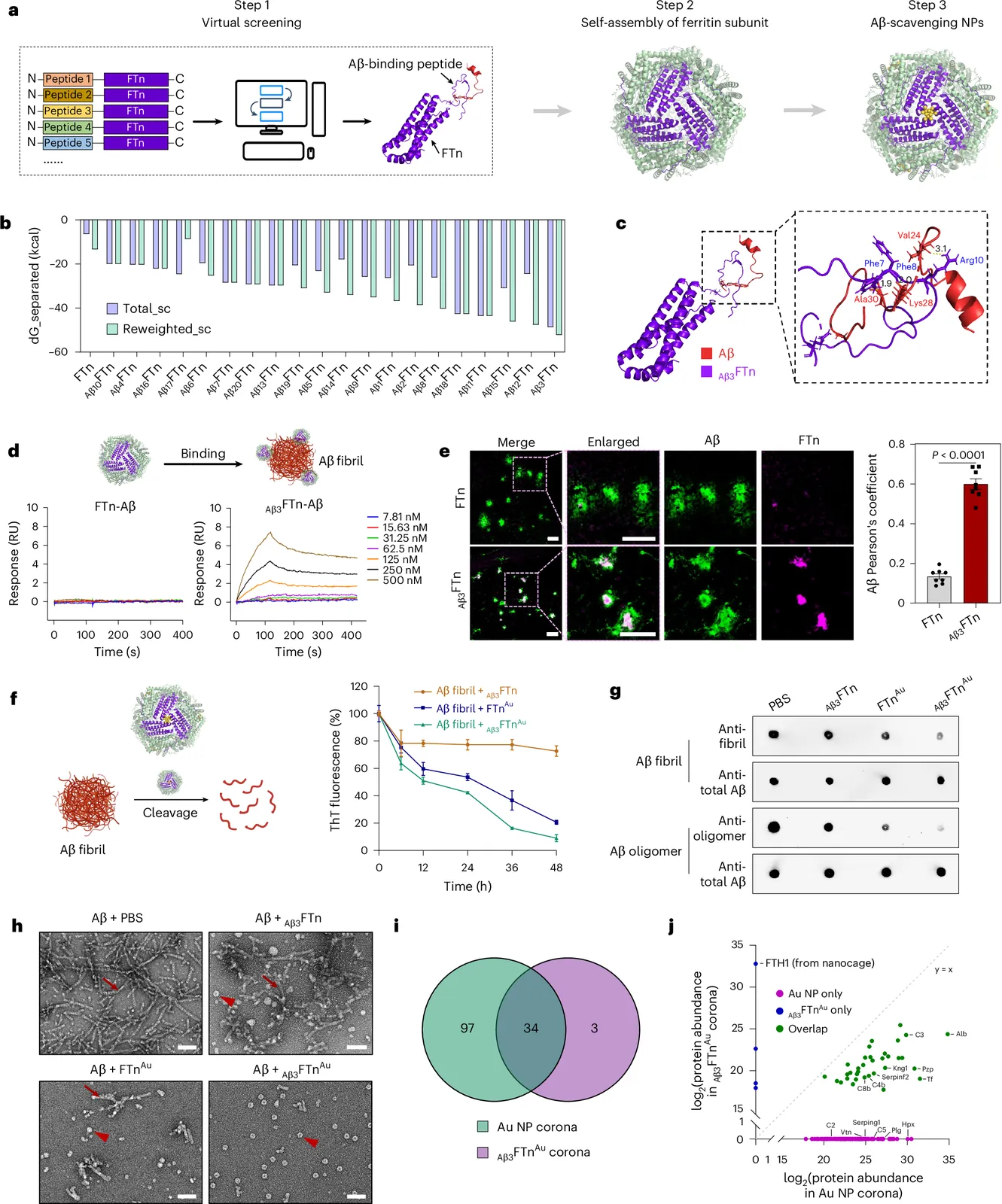
Computationally guided design of bioactive nanostructures for targeted clearance of amyloid-β aggregates in Alzheimer’s disease (Nature - Biotechnology)

Computationally guided design of bioactive nanostructures for targeted clearance of amyloid-β aggregates in Alzheimer’s disease

Covers a computationally designed protein–gold nanocage that targets and disassembles aggregated amyloid-β, with in vivo testing in an Alzheimer's mouse model.

Key takeaways
  • Single-cell RNA sequencing data generated in this study have been deposited in the Gene Expression Omnibus (GEO).
  • Here we report a computationally guided protein–gold hybrid nanostructure.
  • Raw X-ray diffraction data for the crystal structures are available at Zenodo via https.
Nature - Protocols21 Jul 2026
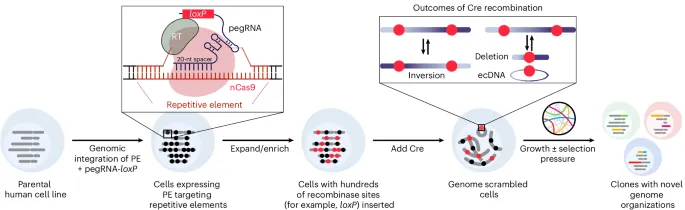
Large-scale genome structure interrogation via recombinase-mediated rearrangements of multiplexed prime edits in repetitive elements - Nature Protocols (Nature

Large-scale genome structure interrogation via recombinase-mediated rearrangements of multiplexed prime edits in repetitive elements - Nature Protocols

A step-by-step protocol describes combining prime editing and recombinase insertions into repetitive elements to enable massively multiplexed, programmable genome rearrangements and fitness mapping.

Key takeaways
  • Full protocol takes ~12–18 weeks to complete and requires intermediate to advanced expertise in genome editing.
  • Yet existing methods are limited by the low density of achievable modifications or the toxicity of methods.
  • This scale of genome editing has not previously been attainable and supports a wide range of studies.