
News summary

Will wearable technologies transform clinical trials?

Source: Nature - Main • Published: 16 Sept 2026, 00:00

Summarized by Masters of Longevity from Nature - Main.

Wearable technologies in clinical research — their potential, practical hurdles and the debates shaping whether they’ll remake how trials are run.
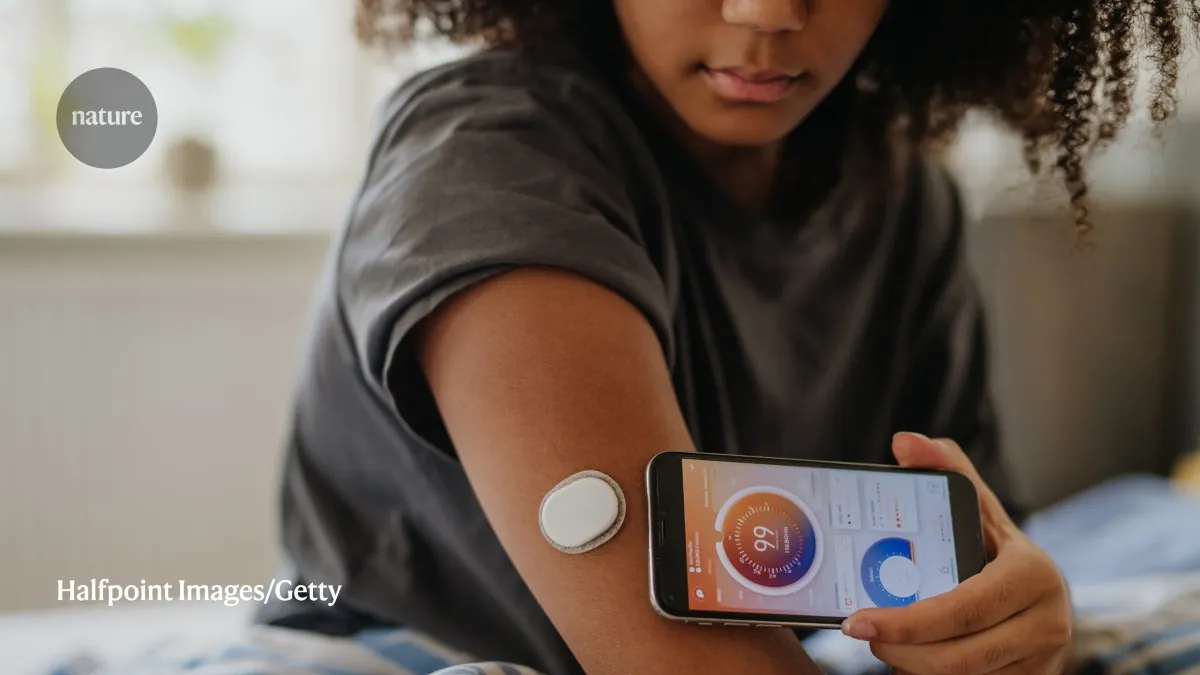
Will wearable technologies transform clinical trials?
Key Takeaways
  • Wearable sensors like PPG-equipped watches and patches enable continuous physiological monitoring outside clinics.
  • Clinical adoption has been gradual because measurement validation, regulatory approval, and ethical concerns limit broader use.
  • Cardiology has led wearable integration in trials, with activity and heart-rate data predicting heart-failure severity.
Read the full article at Nature - Main

Continue exploring

Recommended MoL Picks

MoL PickMelatonin and Heart Failure: What the Evidence Actually ShowsA 2025 study linked melatonin use with heart failure. A 2026 analysis found no significant association. Their different designs explain why the question remains open.MoL PickApple Brings Longevity to the Wrist. What Will It Change?Apple’s new Health Age, readiness and movement tools bring long-term health into everyday view. The opportunity is turning that information into useful action.MoL PickThe Next Obesity-Drug Race Is About What Weight You LoseRegeneron’s myostatin and activin A antibodies point to a sharper question for the GLP-1 era: not whether people can lose more weight, but whether medicine can preserve the tissue that makes weight loss healthier.