
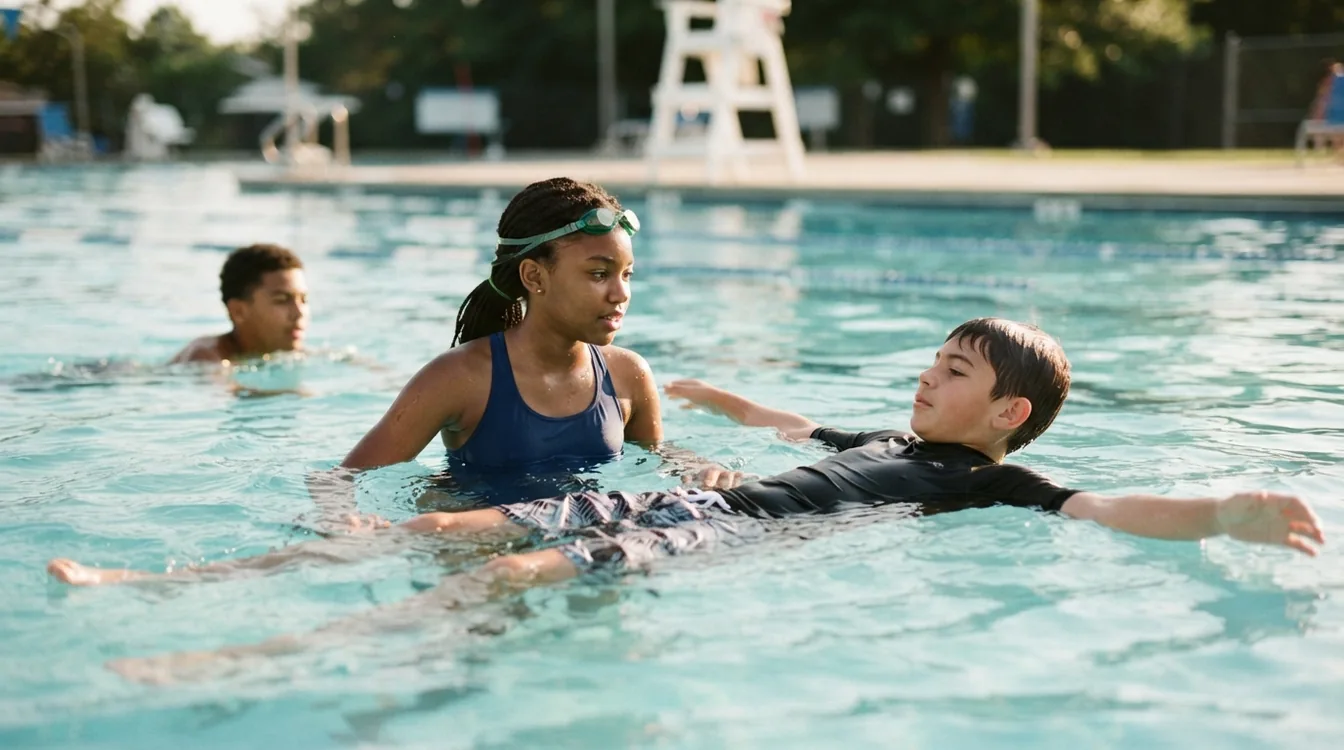
Examines adolescent swimming self-efficacy subgroups and their differing links to high-risk water behaviors, using latent profile analysis to inform targeted interventions.
Key Takeaways
- Model indicates that adolescents exhibit group heterogeneity in swimming self-efficacy
- This suggests that the risk-mitigating effects of traditional
- Drowning has become a significant public health issue globally