
News summary

Point-of-care LPS-induced TNF-α release testing for early sepsis risk stratification in the emergency department

Source: Frontiers - Health • Published: 10 Sept 2026, 00:00

Summarized by Masters of Longevity from Frontiers - Health.

A bedside test-focused article examining a rapid LPS-stimulated TNF-α point-of-care assay for early immune-risk stratification in emergency patients; it previews workflow, diagnostic intent, and study design to assess feasibility and clinical value.
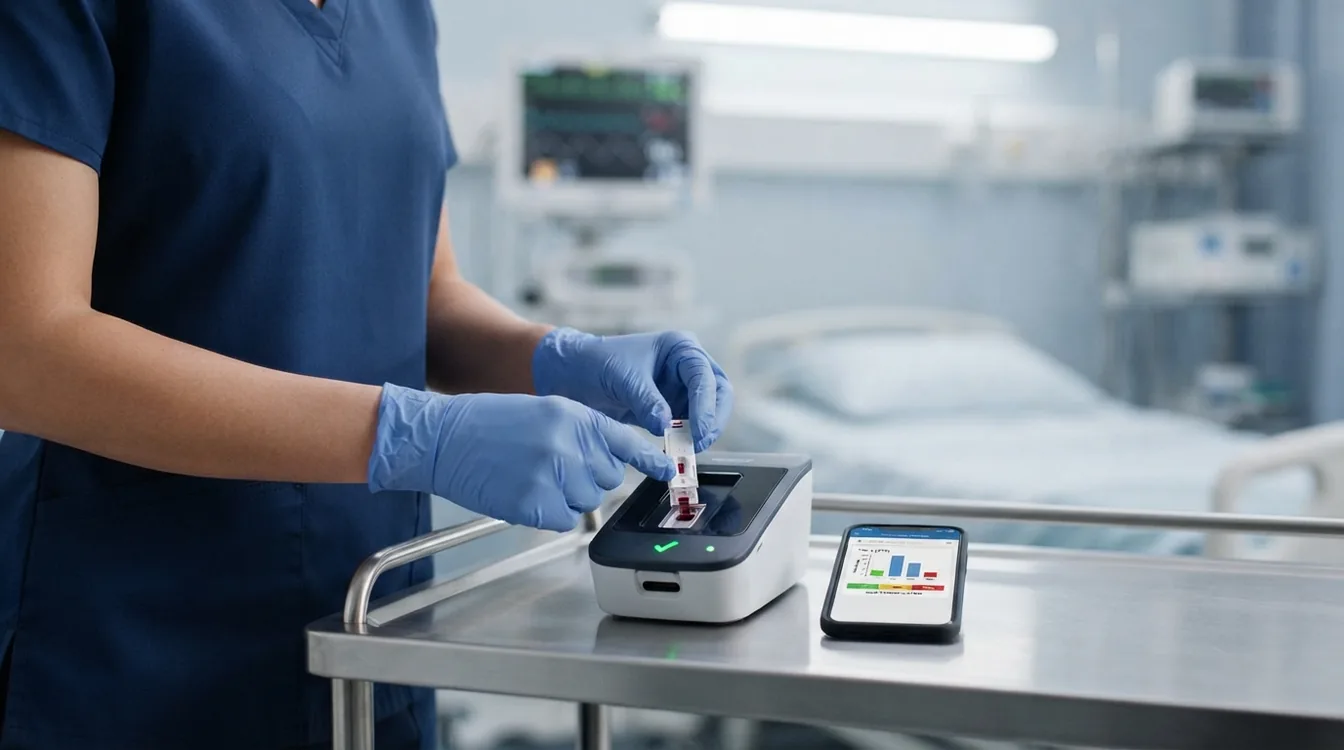
Point-of-care LPS-induced TNF-α release testing for early sepsis risk stratification in the emergency department
Key Takeaways
  • Researchers used a bedside LPS-induced TNF-α release assay producing results under three hours to identify innate immune hyporesponsiveness.
  • A predefined hyporesponsive threshold corresponded to stimulated TNF-α below approximately 200–250 pg/mL indicating an endotoxin-tolerance phenotype.
  • The study enrolled ED adults with suspected infection and NEWS2 ≥3 to estimate prevalence and diagnostic performance against Sepsis-3 adjudication within 24 hours.
Read the full article at Frontiers - Health

Continue exploring

Recommended MoL Picks

MoL PickBiotin for Hair Growth: The Weak Evidence—and the Blood-Test Risk Most People MissBiotin deficiency can affect hair. That does not mean more biotin makes healthy hair grow—and high doses can distort important laboratory results.MoL PickApoB: The cholesterol signal LDL can missIn longevity medicine, the useful biomarkers are not always the exotic ones. ApoB is a relatively simple blood test that can sharpen cardiovascular prevention when LDL-C looks reassuring but particle burden remains high.MoL PickCreatine and Cancer: Why New Mouse Studies Point in Opposite DirectionsCreatine strengthened antitumour immune cells in one mouse study—and promoted metastasis through platelets in another. The apparent contradiction reveals why neither result is a supplement recommendation.