
News summary

Podocyte Vps34 deficiency drives early-onset glomerulopathy and mesangial IgA-dominant immune-complex deposition: a novel mouse model linking vesicular trafficking to glomerular immune dysregulation

Source: Frontiers - Health • Published: 09 Sept 2026, 00:00

Summarized by Masters of Longevity from Frontiers - Health.

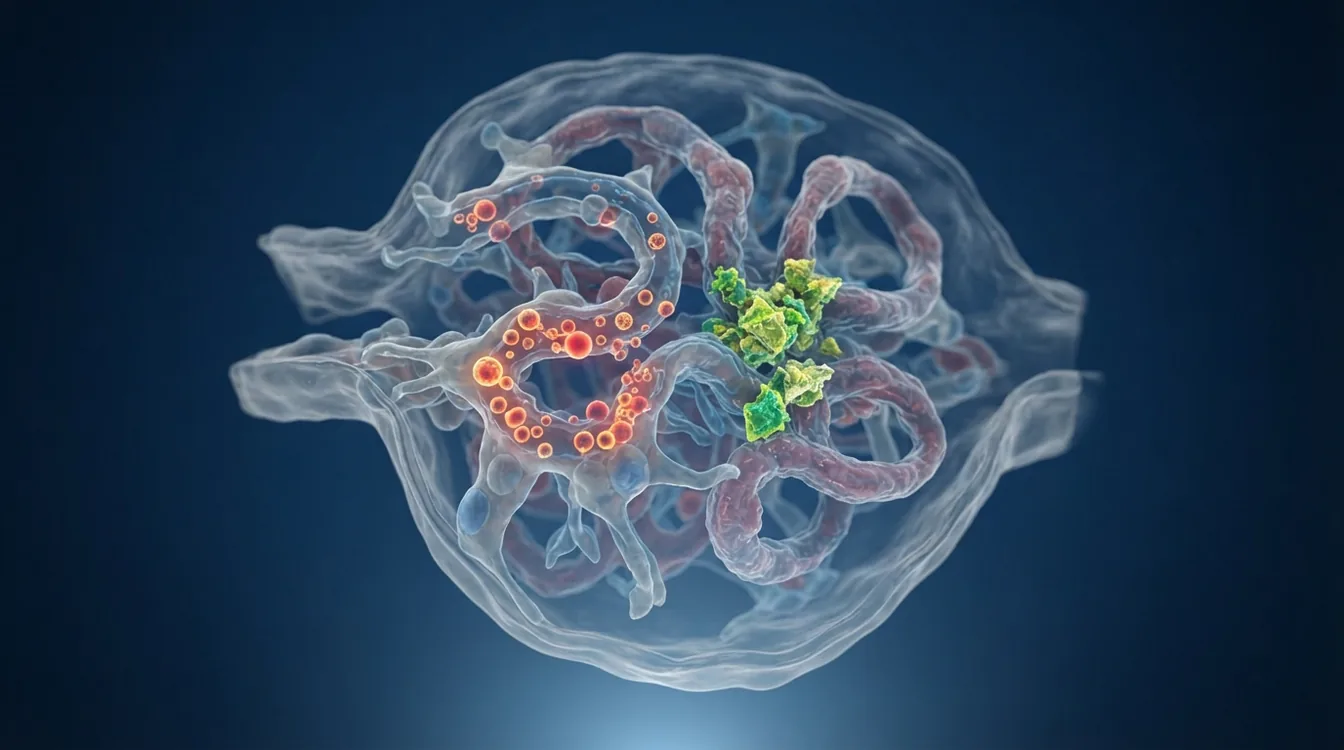
A mouse model with podocyte-specific Vps34 loss rapidly develops proteinuria, progressive glomerulosclerosis, and mesangial IgA-dominant immune-complex deposition, linking vesicular trafficking defects to glomerular immune changes.
Podocyte Vps34 deficiency drives early-onset glomerulopathy and mesangial IgA-dominant immune-complex deposition: a novel mouse model linking vesicular trafficking to glomerular immune dysregulation
Key Takeaways
  • Podocyte-specific Vps34 deletion caused rapid-onset proteinuria from three weeks and median survival of nine weeks.
  • Affected mice showed mesangial expansion, glomerulosclerosis, widespread foot process effacement, and complement co-deposition.
  • Serum IgA and IgM were elevated while IgG was reduced, coincident with upregulated antigen presentation and inflammasome genes.
Read the full article at Frontiers - Health

Continue exploring

Recommended MoL Picks

MoL PickCreatine and Cancer: Why New Mouse Studies Point in Opposite DirectionsCreatine strengthened antitumour immune cells in one mouse study—and promoted metastasis through platelets in another. The apparent contradiction reveals why neither result is a supplement recommendation.MoL PickSemaglutide Extended Lifespan in Mice. What Would Make It a Human Longevity Drug?A new animal study sharpens an important question: when do benefits in a particular disease become evidence for a longer, healthier life?MoL PickBiotin for Hair Growth: The Weak Evidence—and the Blood-Test Risk Most People MissBiotin deficiency can affect hair. That does not mean more biotin makes healthy hair grow—and high doses can distort important laboratory results.