
News summary

Lipoprotein(a) in Calcific Aortic Stenosis: Mechanistic Insights, Clinical Evidence, and Emerging Therapies

Source: Frontiers - Health • Published: 15 Sept 2026, 00:00

Summarized by Masters of Longevity from Frontiers - Health.

A narrative review synthesizes genetic, imaging, and mechanistic evidence linking elevated lipoprotein(a) to calcific aortic stenosis and surveys emerging Lp(a)-lowering therapies under clinical investigation.
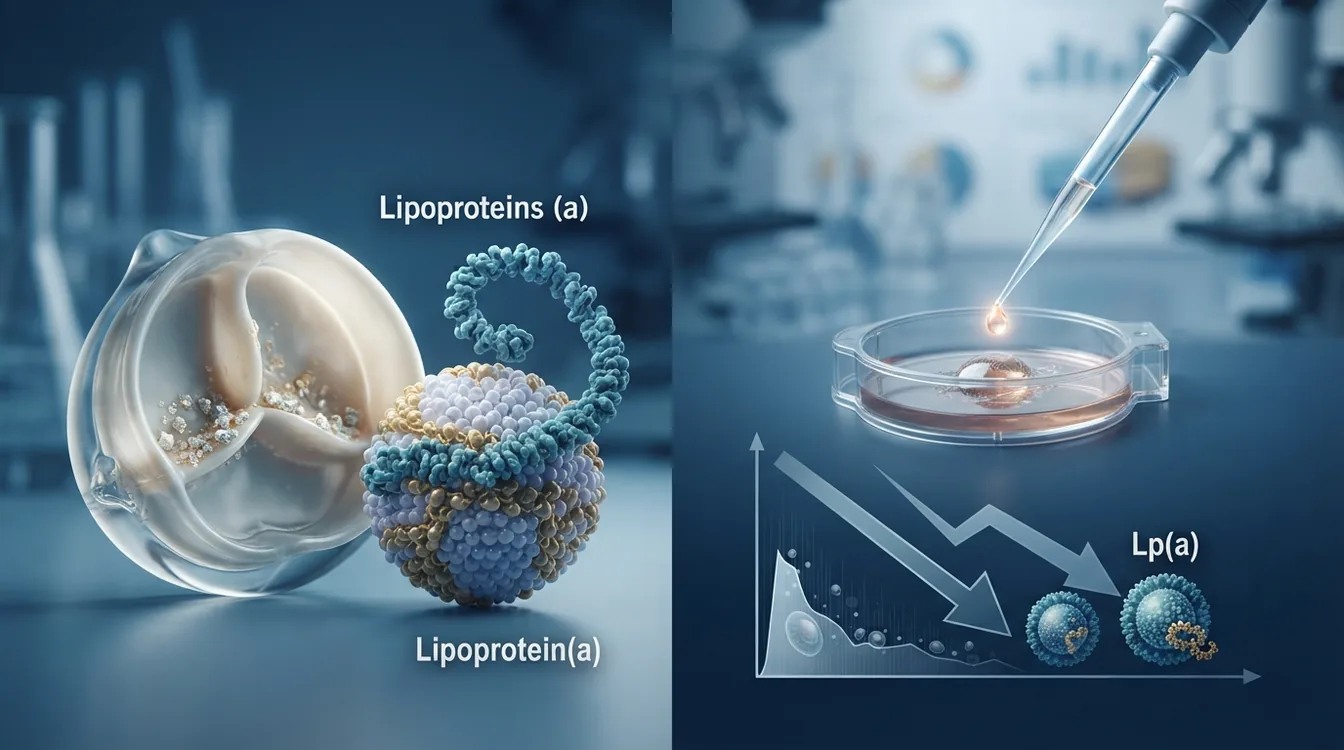
Lipoprotein(a) in Calcific Aortic Stenosis: Mechanistic Insights, Clinical Evidence, and Emerging Therapies
Key Takeaways
  • Genetic and epidemiological data support a causal role for elevated Lp(a) in initiating aortic valve calcification.
  • Lp(a) promotes valve injury by carrying oxidized phospholipids and activating inflammatory and ATX–LPA osteogenic pathways.
  • RNA-targeted drugs and oral assembly inhibitors can lower circulating Lp(a) by roughly 70% to over 95% in early trials.
Read the full article at Frontiers - Health

Continue exploring

Recommended MoL Picks

MoL PickThe Next Obesity-Drug Race Is About What Weight You LoseRegeneron’s myostatin and activin A antibodies point to a sharper question for the GLP-1 era: not whether people can lose more weight, but whether medicine can preserve the tissue that makes weight loss healthier.MoL PickReducing Inflammation from Ageing Cells: What a Mouse Study FoundResearchers reduced the inflammatory signals released by cells that had stopped dividing. Older mice also improved on some strength and frailty tests. Whether this approach could help people remains unknown.MoL PickSeed Oils and Health: Inflammation, Processing and EvidenceHuman trials, processing risks and long-term health ask different questions. What can seed-oil research tell us—and what remains unresolved?