
News summary

Late-Life GLP-1 Treatment Increases Lifespan in Female Mice

Source: Lifespan.io • Published: 08 Sept 2026, 14:52

Summarized by Masters of Longevity from Lifespan.io.

Report on a study testing late-life GLP-1 receptor agonist treatment in aged female mice and its effects on lifespan, physiology, and cellular aging markers.
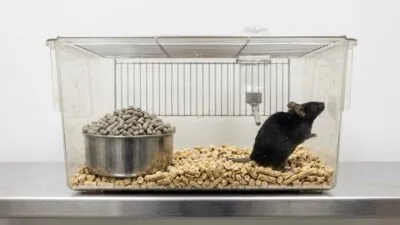
Late-Life GLP-1 Treatment Increases Lifespan in Female Mice
Key Takeaways
  • Daily semaglutide started at 20 months increased median female mouse lifespan from 742 to 834 days, a 12.4% gain.
  • Treated mice ate ~24% less, lost more fat than muscle, showed better glucose tolerance, activity, and spatial memory.
  • Semaglutide reduced inflammatory and senescence-associated markers and increased hippocampal neurogenesis and muscle mitochondrial gene expression.
Read the full article at Lifespan.io

Continue exploring

Recommended MoL Picks

MoL PickSemaglutide Extended Lifespan in Mice. What Would Make It a Human Longevity Drug?A new animal study sharpens an important question: when do benefits in a particular disease become evidence for a longer, healthier life?MoL PickFrom Metrics to Better LivingEverstride’s May 2026 Consumer Health Market Briefing shows a wellness market moving from products to systems, from tracking to guidance, and from optimization to meaning. The next winners in longevity may not be the companies that measure the most. They may be the ones that help consumers translate health data into a life they actually want to live.MoL PickApoB: The cholesterol signal LDL can missIn longevity medicine, the useful biomarkers are not always the exotic ones. ApoB is a relatively simple blood test that can sharpen cardiovascular prevention when LDL-C looks reassuring but particle burden remains high.