
News summary

Grip Strength as Biomarker of Aging in the Context of Presently Available Gene Therapies

Source: Fight Aging! • Published: 22 Sept 2026, 17:34

Summarized by Masters of Longevity from Fight Aging!.

Grip strength-focused piece introducing research on using handgrip as an aging biomarker to evaluate outcomes after currently offered gene therapies, inviting readers to consider methodological challenges and interpretation caveats.
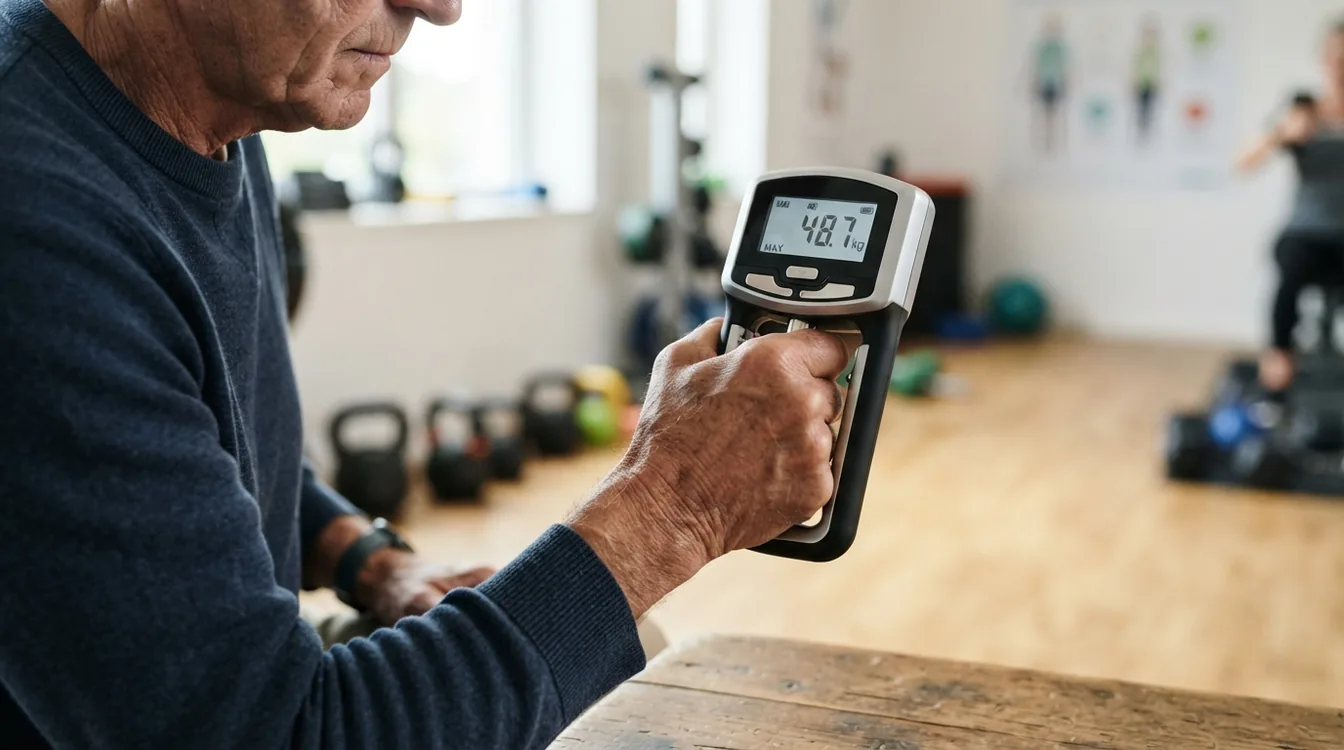
Grip Strength as Biomarker of Aging in the Context of Presently Available Gene Therapies
Key Takeaways
  • The genes delivered by these gene therapies include follistatin for muscle growth, VEGF for vascular growth, and some well-known genes hoped to improve the state of the aging body and brain such as telomerase , SIRT1 , and so forth.
  • So it is interesting to see the Triple Helix folk here reporting on their experience in the use of grip strength as a biomarker of aging to assess the results of gene therapies intended to improve function.
  • The best way to stress test a biomarker is to gather data on how it actually performs given a range of different types of regenerative or anti-aging therapy.
Read the full article at Fight Aging!

Continue exploring

Recommended MoL Picks

MoL PickBiotin for Hair Growth: The Weak Evidence—and the Blood-Test Risk Most People MissBiotin deficiency can affect hair. That does not mean more biotin makes healthy hair grow—and high doses can distort important laboratory results.MoL PickMelatonin and Heart Failure: What the Evidence Actually ShowsA 2025 study linked melatonin use with heart failure. A 2026 analysis found no significant association. Their different designs explain why the question remains open.MoL PickGrowth Hormone Receptor Deletion Extends Mouse LifespanStudy summary: researchers switched off the growth hormone receptor in middle-aged mice and followed survival and physical function.