
News summary

Cancer is rising in younger adults. Faster biological aging may help explain why

Source: Science Daily - Health & Medicine • Published: 14 Sept 2026, 14:47

Summarized by Masters of Longevity from Science Daily - Health & Medicine.

You’ll open a news piece examining research on links between generational shifts in biological aging and rising early-onset cancer rates, offering context and implications for readers curious about why cancer patterns are changing.
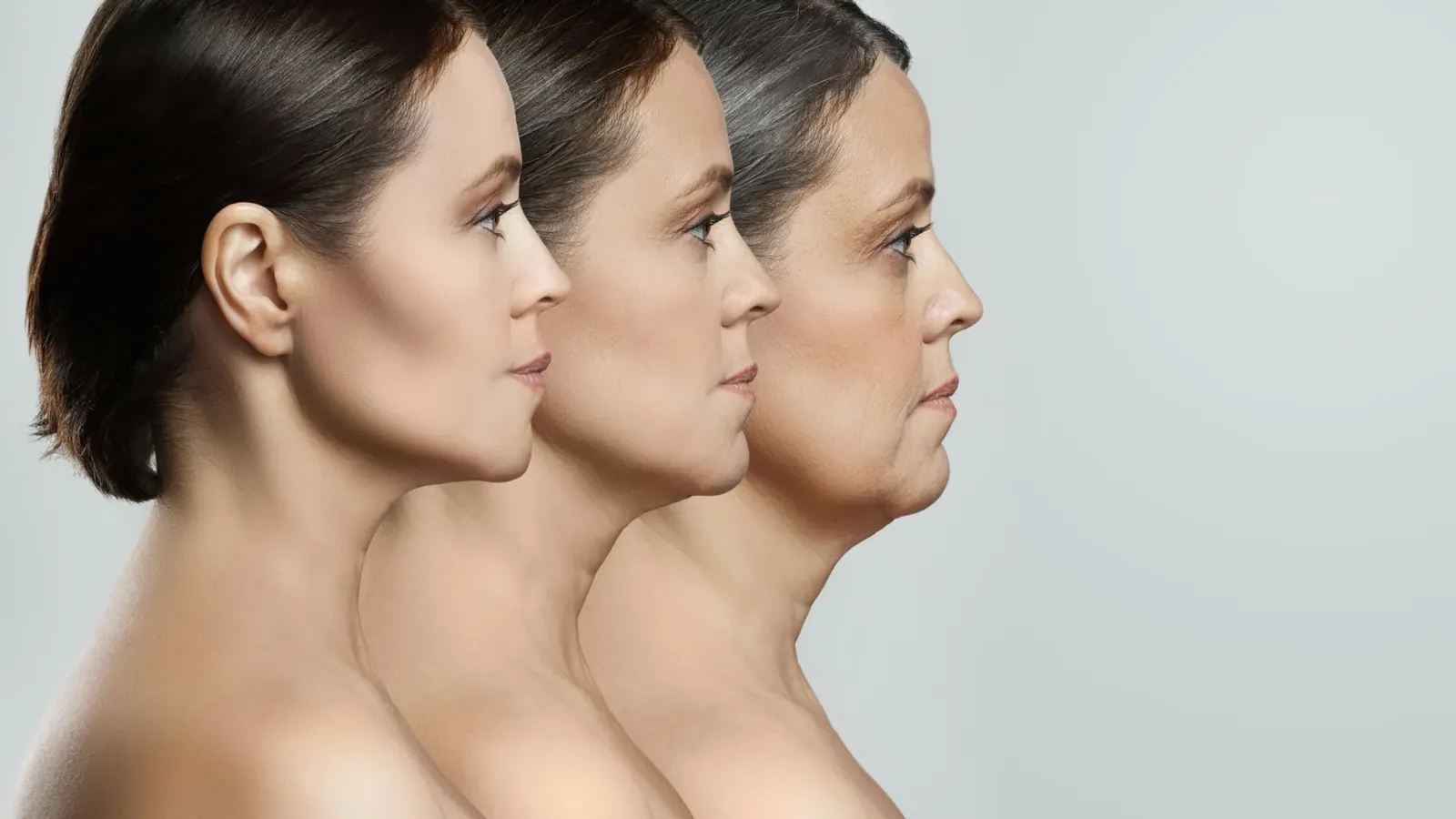
Cancer is rising in younger adults. Faster biological aging may help explain why
Key Takeaways
  • Researchers found more recent birth cohorts had higher biological age measures at the same chronological ages than earlier cohorts.
  • Greater biological age acceleration was associated with increased risk of early-onset cancers overall.
  • Distinct accelerated-aging patterns correlated with higher early-onset risks for lung, gastrointestinal, uterine, and colorectal cancers.
Read the full article at Science Daily - Health & Medicine

Continue exploring

Recommended MoL Picks

MoL PickCan You Really Measure Whether You’re Aging More Slowly?A younger epigenetic-age score can look like proof that an intervention is working. A major new analysis shows which clocks detect change—and why movement is not yet the same as longer healthspan.MoL PickCreatine and Cancer: Why New Mouse Studies Point in Opposite DirectionsCreatine strengthened antitumour immune cells in one mouse study—and promoted metastasis through platelets in another. The apparent contradiction reveals why neither result is a supplement recommendation.MoL PickBiotin for Hair Growth: The Weak Evidence—and the Blood-Test Risk Most People MissBiotin deficiency can affect hair. That does not mean more biotin makes healthy hair grow—and high doses can distort important laboratory results.