
News summary

Can we make the brain age backwards?

Source: Longevity Technology • Published: 14 Sept 2026, 15:10

Summarized by Masters of Longevity from Longevity Technology.

Brain Years introduces a functional brain-age approach using EEG and task data; this article previews a discussion about its potential as a tracking tool.
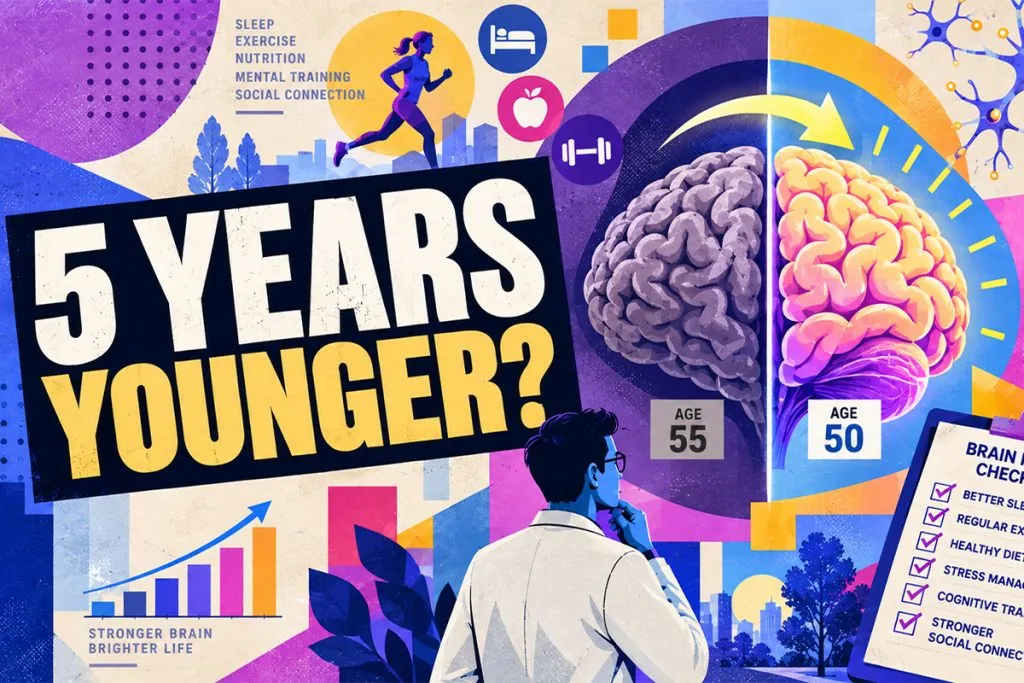
Can we make the brain age backwards?
Key Takeaways
  • Brain Years estimates functional brain age using EEG signals, event-related potentials, and task performance variables derived by machine learning.
  • The model’s primary value is tracking change over time to detect intervention-driven shifts rather than only labeling current brain age.
  • Prospective, placebo-controlled trials and comparisons with MRI and blood-based clocks are necessary to confirm that score changes reflect true biological brain aging.
Read the full article at Longevity Technology

Continue exploring

Recommended MoL Picks

MoL PickCan You Really Measure Whether You’re Aging More Slowly?A younger epigenetic-age score can look like proof that an intervention is working. A major new analysis shows which clocks detect change—and why movement is not yet the same as longer healthspan.MoL PickBiotin for Hair Growth: The Weak Evidence—and the Blood-Test Risk Most People MissBiotin deficiency can affect hair. That does not mean more biotin makes healthy hair grow—and high doses can distort important laboratory results.MoL PickApoB: The cholesterol signal LDL can missIn longevity medicine, the useful biomarkers are not always the exotic ones. ApoB is a relatively simple blood test that can sharpen cardiovascular prevention when LDL-C looks reassuring but particle burden remains high.