
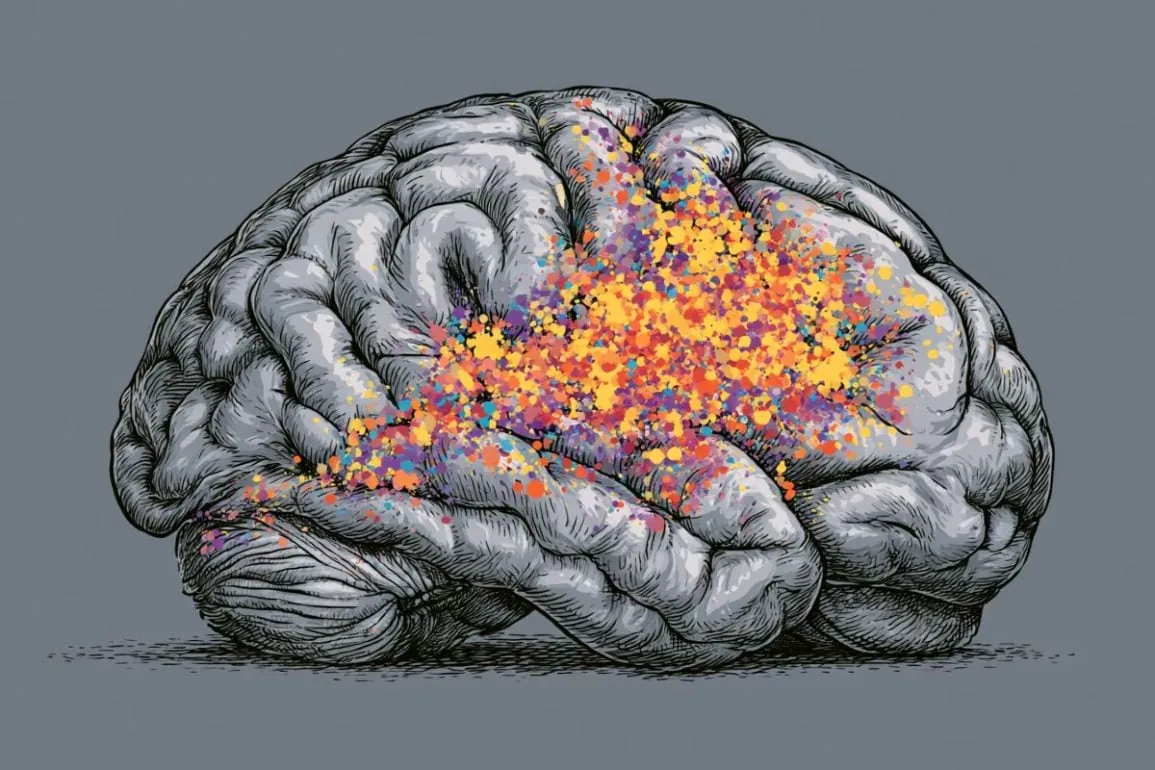
A human PET imaging study examines how extended wakefulness alters synaptic density markers across memory and sensory relay regions in the brain.
Key Takeaways
- 28 hours of wakefulness increased SV2A PET signal in hippocampus and thalamus
- Study used PET imaging in forty participants, half subjected to sleep deprivation
- Higher SV2A levels predicted stronger slow-wave activity after a two-hour recovery nap