
News summary

Organ‐Specific Proteomic Aging Clocks Reveal Complexities Underlying the Healthy Drinking Paradox

Source: Aging Cell • Published: 24 Sept 2026, 12:37

Summarized by Masters of Longevity from Aging Cell.

Organ-focused proteomic aging clocks are presented, inviting readers to learn how they illuminate tissue-level patterns behind alcohol's varied effects on aging.
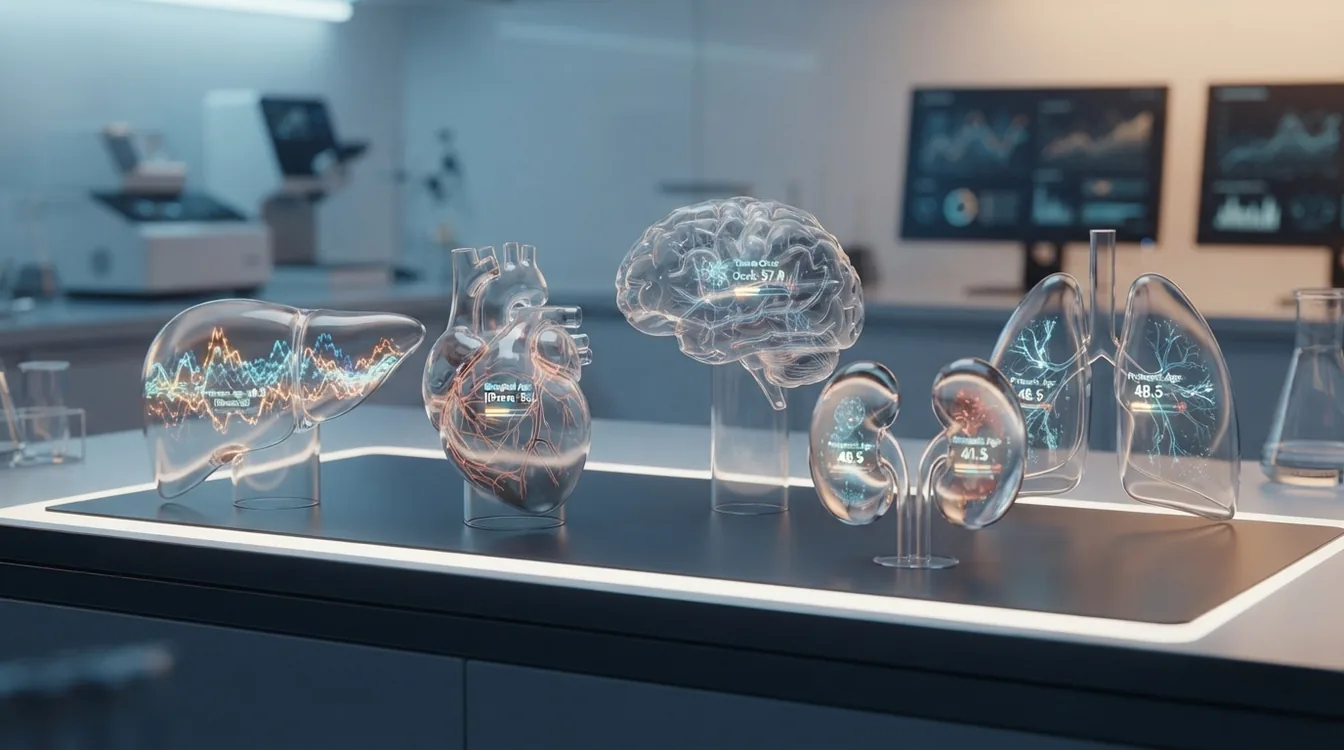
Organ‐Specific Proteomic Aging Clocks Reveal Complexities Underlying the Healthy Drinking Paradox
Key Takeaways
  • Researchers constructed proteomic aging clocks for multiple organs using tissue-specific protein expression data.
  • Alcohol consumption showed differing associations with proteomic age across organs rather than a uniform effect.
  • The organ-specific clocks revealed complex, and sometimes opposing, tissue-level aging signatures linked to drinking behavior.
Read the full article at Aging Cell ↗

Continue exploring

Recommended MoL Picks

MoL PickNucleotides and Longevity: Is the Evidence Ready?They help build DNA and keep cells working. Early human studies make nucleotide supplements interesting—but leave important questions about healthy ageing unanswered. Yet.MoL PickCan You Really Measure Whether You’re Aging More Slowly?A younger epigenetic-age score can look like proof that an intervention is working. A major new analysis shows which clocks detect change—and why movement is not yet the same as longer healthspan.MoL PickBiotin for Hair Growth: The Weak Evidence—and the Blood-Test Risk Most People MissBiotin deficiency can affect hair. That does not mean more biotin makes healthy hair grow—and high doses can distort important laboratory results.