
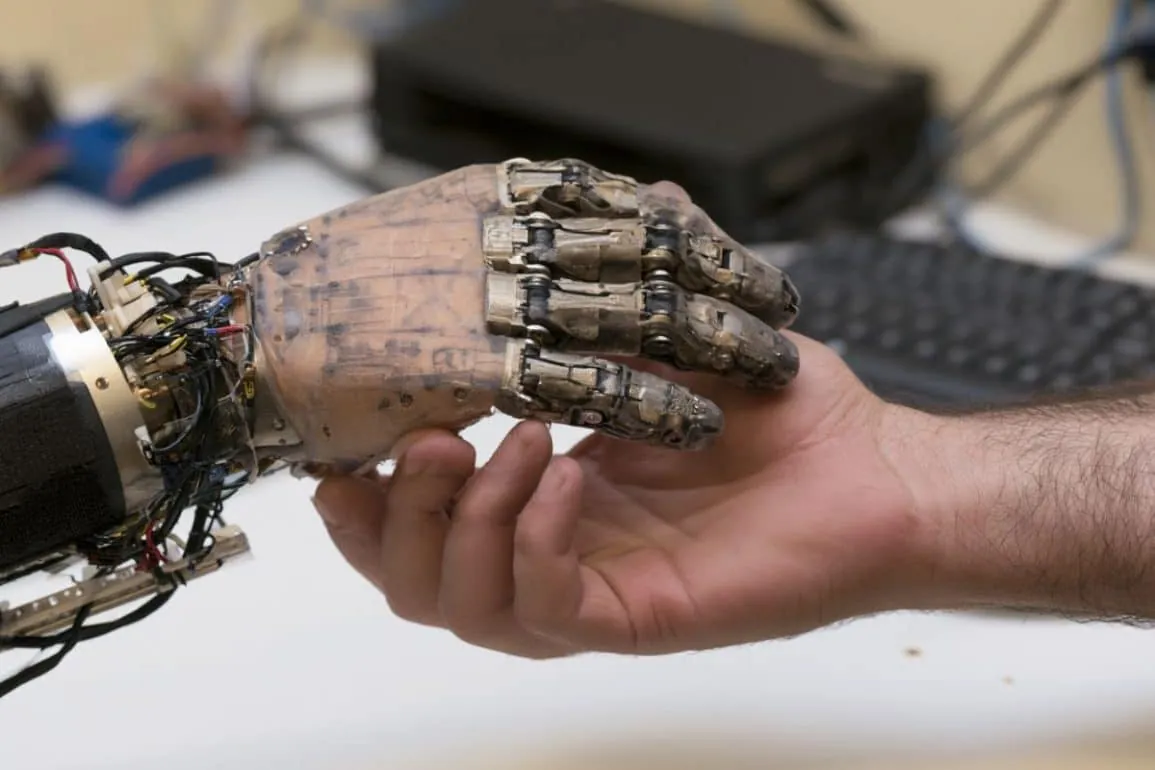
Sensory feedback for prosthetic hands is examined in a feature that unpacks recent neuroscience methods, practical challenges, and next-step directions.
Key Takeaways
- Researchers unified data from two structurally different kinesthetic brain-machine interfaces
- Six-week trial with a single amputee produced fluent, high-fidelity hand movement perceptions
- Both interfaces elicited coordinated cortical synergies rather than isolated muscle sensations