
News summary

Brain Wiring Changes Distinguish Early Alzheimer’s from Normal Aging

Source: Neuroscience News • Published: 01 Oct 2026, 18:59

Summarized by Masters of Longevity from Neuroscience News.

Brain network differences: a news feature previewing a large neuroimaging study that compares how brain connectivity changes in normal aging versus early Alzheimer’s, and why those distinct trajectories matter for tracking cognition.
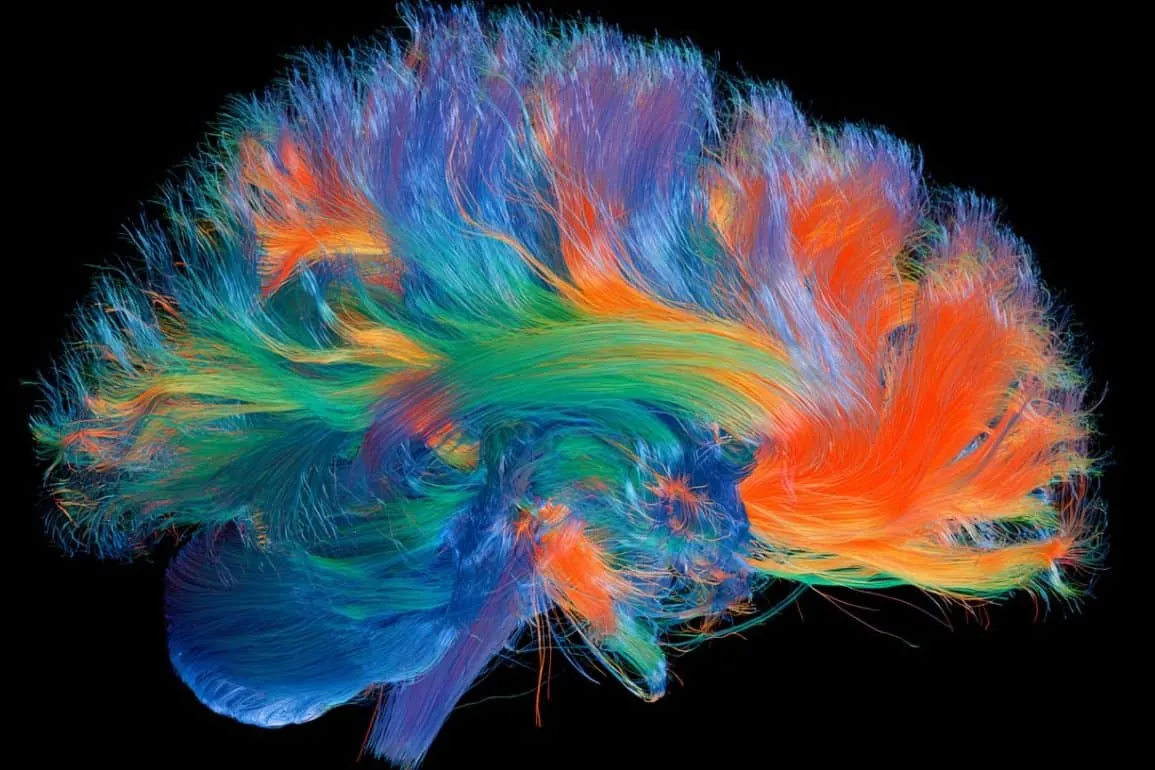
Brain Wiring Changes Distinguish Early Alzheimer’s from Normal Aging
Key Takeaways
  • A Nature Neuroscience study of over 1,000 individuals found Alzheimer’s drives a unique pattern of whole-brain connectivity reorganization distinct from normal aging.
  • Alzheimer’s-specific connectivity shifts appeared in cognitively unimpaired people with low pathology, preceding measurable brain atrophy.
  • Whole-brain functional connectivity correlated more closely with cognitive performance than amyloid-beta or tau burden in impaired participants.
Read the full article at Neuroscience News ↗

Continue exploring

Recommended MoL Picks

MoL PickWhat Changes in the Human Hippocampus with Age?A study of 40 postmortem brains maps a midlife shift in immune cells and a wider loss of cellular and genome organisation—but it does not show how to prevent cognitive decline.MoL PickNucleotides and Longevity: Is the Evidence Ready?They help build DNA and keep cells working. Early human studies make nucleotide supplements interesting—but leave important questions about healthy ageing unanswered. Yet.MoL PickApoB: The cholesterol signal LDL can missIn longevity medicine, the useful biomarkers are not always the exotic ones. ApoB is a relatively simple blood test that can sharpen cardiovascular prevention when LDL-C looks reassuring but particle burden remains high.