
News summary

What happens when a key cancer defense fails?: Newsroom - UT Southwestern, Dallas, Texas

Source: UT Southwestern • Published: 07 Oct 2026, 00:00

Summarized by Masters of Longevity from UT Southwestern.

A study used an inducible p53 switch to observe immediate cellular consequences after p53 loss, revealing rapid metabolic and gene-expression shifts.
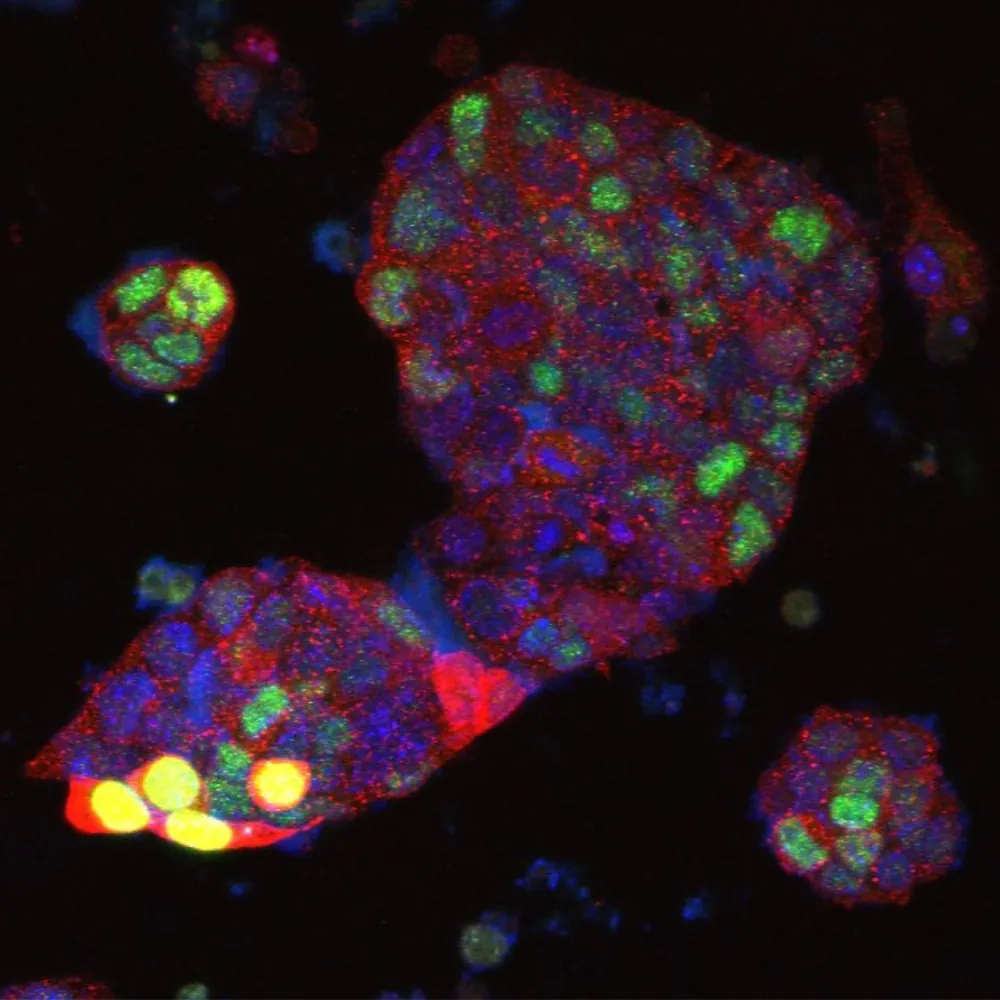
What happens when a key cancer defense fails?: Newsroom - UT Southwestern, Dallas, Texas
Key Takeaways
  • P53 inactivation triggered a metabolic shift from oxidative phosphorylation to Warburg-style glycolytic metabolism within 48 hours.
  • Retrotransposons were rapidly derepressed immediately after p53 loss, causing widespread genomic effects.
  • Cells swiftly activated germline and meiotic gene programs after p53 was disabled, including genes required for meiosis.
Read the full article at UT Southwestern ↗

Continue exploring

Recommended MoL Picks

MoL PickCreatine and Cancer: Why New Mouse Studies Point in Opposite DirectionsCreatine strengthened antitumour immune cells in one mouse study—and promoted metastasis through platelets in another. The apparent contradiction reveals why neither result is a supplement recommendation.MoL PickSemaglutide Extended Lifespan in Mice. What Would Make It a Human Longevity Drug?A new animal study sharpens an important question: when do benefits in a particular disease become evidence for a longer, healthier life?MoL PickApoB: The cholesterol signal LDL can missIn longevity medicine, the useful biomarkers are not always the exotic ones. ApoB is a relatively simple blood test that can sharpen cardiovascular prevention when LDL-C looks reassuring but particle burden remains high.