
News summary

Uninjured Brain Age Holds Key to Language Recovery Following Stroke

Source: Neuroscience News • Published: 28 Sept 2026, 17:43

Summarized by Masters of Longevity from Neuroscience News.

Readers will open a neuroscience article explaining how measuring the biological age of uninjured brain tissue helps predict language recovery after stroke.
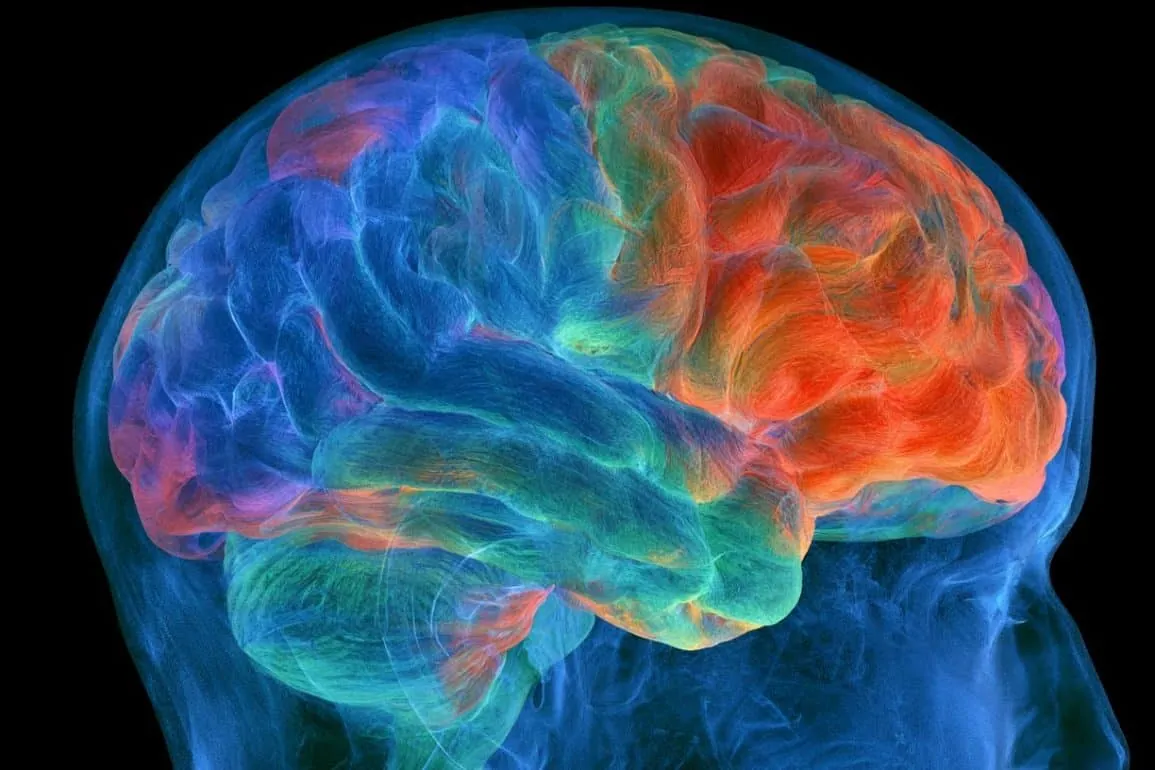
Uninjured Brain Age Holds Key to Language Recovery Following Stroke
Key Takeaways
  • Structural brain aging in the non-lesioned hemisphere predicted aphasia severity independently of lesion size or location.
  • Baseline structural brain age metrics predicted sustained language improvements six months after speech therapy plus noninvasive brain stimulation.
  • The predictive model uses standard non-contrast clinical MRI and a free online machine-learning tool trained on normative aging datasets.
Read the full article at Neuroscience News ↗

Continue exploring

Recommended MoL Picks

MoL PickCan You Really Measure Whether You’re Aging More Slowly?A younger epigenetic-age score can look like proof that an intervention is working. A major new analysis shows which clocks detect change—and why movement is not yet the same as longer healthspan.MoL PickPlan Your Health Tests in Three MinutesThe free Personal Health Diagnostics Planner turns a short questionnaire into a ranked, personalised PDF: a clearer starting point for deciding which health checks deserve attention now.MoL PickBiotin for Hair Growth: The Weak Evidence—and the Blood-Test Risk Most People MissBiotin deficiency can affect hair. That does not mean more biotin makes healthy hair grow—and high doses can distort important laboratory results.