
News summary

Ultraprocessed Foods Alter Insulin and Brain Reward Responses

Source: Neuroscience News • Published: 05 Oct 2026, 16:09

Summarized by Masters of Longevity from Neuroscience News.

This neuroscience article previews a controlled human study investigating how industrial food processing changes metabolic and brain reward responses. It invites readers curious about food science and neural appetite signaling to explore the experimental approach and implications.
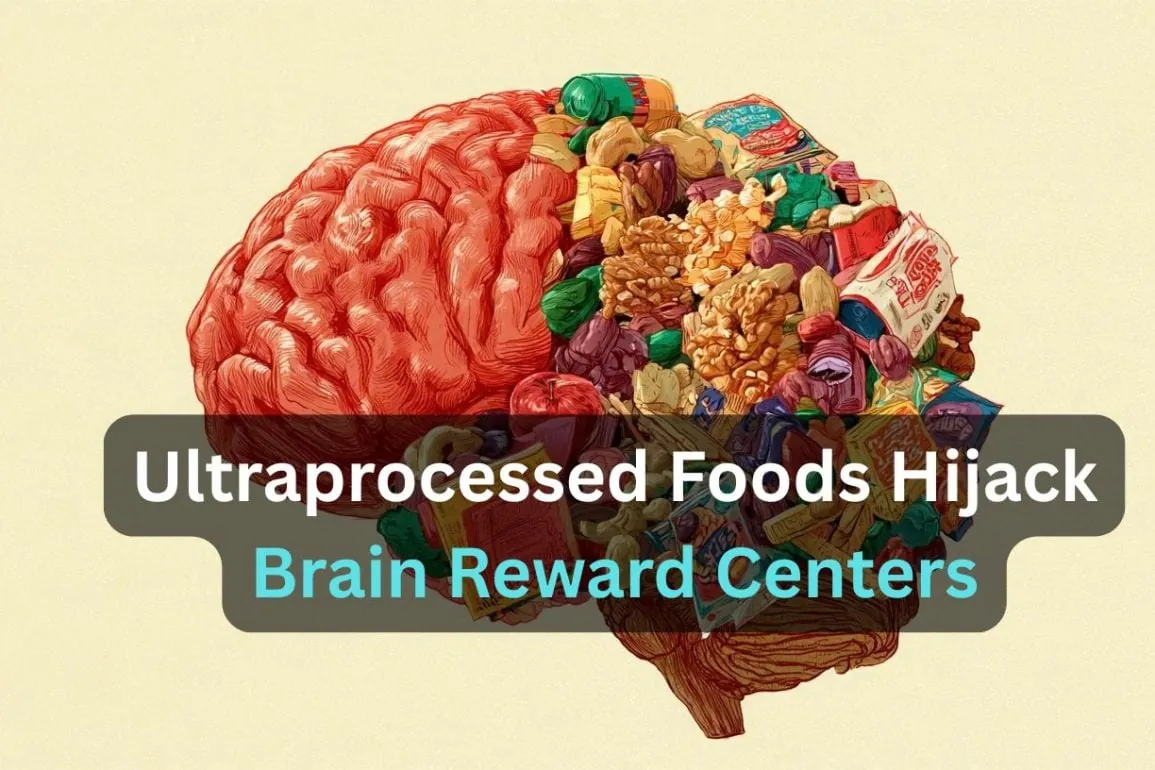
Ultraprocessed Foods Alter Insulin and Brain Reward Responses
Key Takeaways
  • Ultraprocessed meals caused significantly larger insulin spikes and slightly prolonged blood glucose elevation despite matched nutrient content.
  • Processing-related differences altered carbohydrate oxidation, which predicted stronger reward-region neural responses to food cues.
  • These metabolic and brain effects occurred after a single 300-calorie meal in healthy adults, so broader, longer trials are still needed.
Read the full article at Neuroscience News ↗

Continue exploring

Recommended MoL Picks

MoL PickSemaglutide Extended Lifespan in Mice. What Would Make It a Human Longevity Drug?A new animal study sharpens an important question: when do benefits in a particular disease become evidence for a longer, healthier life?MoL PickWhat Changes in the Human Hippocampus with Age?A study of 40 postmortem brains maps a midlife shift in immune cells and a wider loss of cellular and genome organisation—but it does not show how to prevent cognitive decline.MoL PickCan Exergaming Improve Balance? What Older Adults Should KnowMotion-controlled games may make balance practice easier to repeat. The evidence supports a structured adjunct—not a fall-proofing shortcut.