
News summary

Ultra-Processed Foods Sensitize Children’s Brain Reward Circuits

Source: Neuroscience News • Published: 23 Oct 2026, 16:13

Summarized by Masters of Longevity from Neuroscience News.

This neuroscience article previews a longitudinal neuroimaging study examining how children’s diets rich in ultra-processed foods may reshape reward-circuit responses to food cues. It invites readers curious about developmental brain effects of modern diets and implications for early obesity risk.
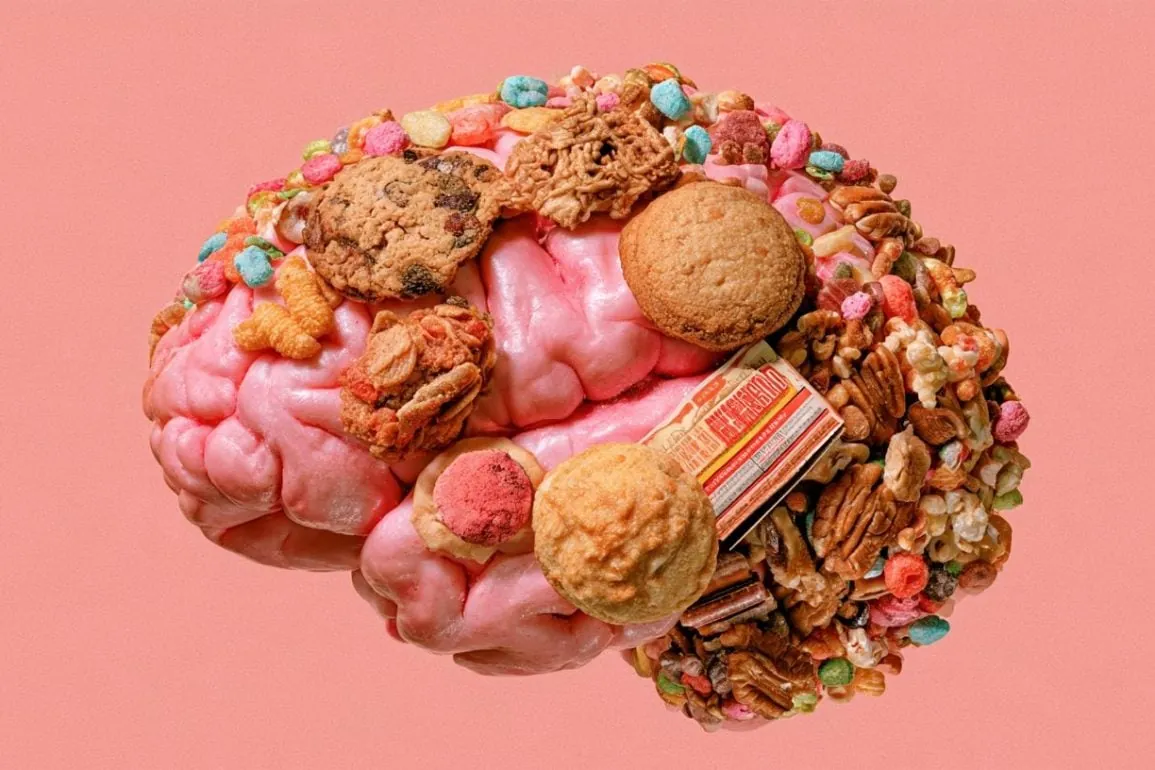
Ultra-Processed Foods Sensitize Children’s Brain Reward Circuits
Key Takeaways
  • Children eating more ultra-processed foods showed stronger dorsal striatum responses to food images.
  • Dorsal striatum hyper-reactivity explained a large part of later body fat increases.
  • Reward-circuit changes appeared before weight gain, indicating early dietary effects on risk.
Read the full article at Neuroscience News ↗

Continue exploring

Recommended MoL Picks

MoL PickThe Next Obesity-Drug Race Is About What Weight You LoseRegeneron’s myostatin and activin A antibodies point to a sharper question for the GLP-1 era: not whether people can lose more weight, but whether medicine can preserve the tissue that makes weight loss healthier.MoL PickWhat Changes in the Human Hippocampus with Age?A study of 40 postmortem brains maps a midlife shift in immune cells and a wider loss of cellular and genome organisation—but it does not show how to prevent cognitive decline.MoL PickApoB: The cholesterol signal LDL can missIn longevity medicine, the useful biomarkers are not always the exotic ones. ApoB is a relatively simple blood test that can sharpen cardiovascular prevention when LDL-C looks reassuring but particle burden remains high.