
News summary

Transcriptomic reprogramming screen identifies SRSF1 as a regulator of aging

Source: Nature Aging • Published: 14 Oct 2026, 00:00

Summarized by Masters of Longevity from Nature Aging.

Reports a transcriptomic reprogramming screen that nominates the splicing factor SRSF1 as a conserved regulator capable of restoring youthful transcriptomes and improving organismal aging measures.
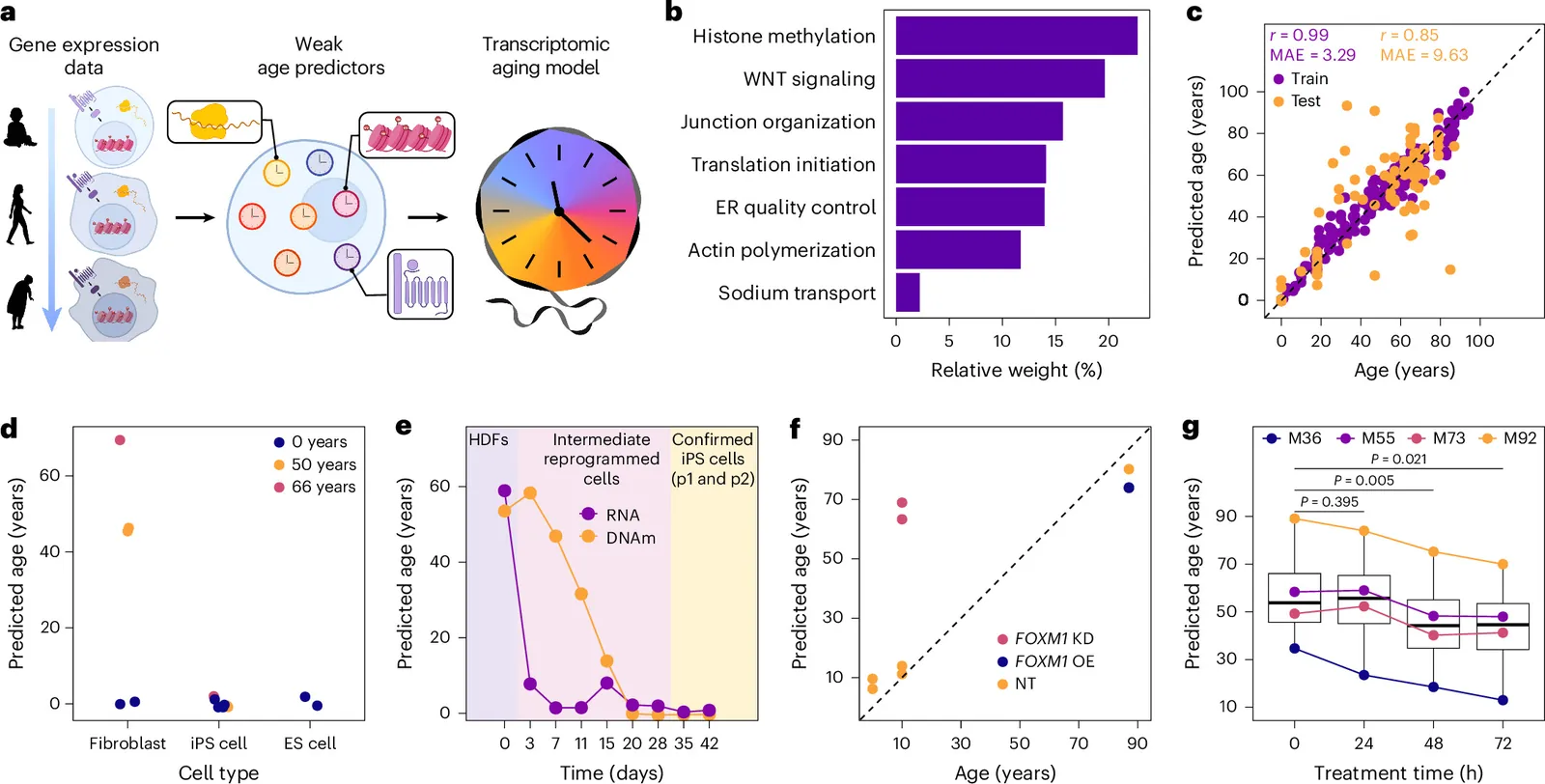
Transcriptomic reprogramming screen identifies SRSF1 as a regulator of aging
Key Takeaways
  • A cDNA overexpression screen in human fibroblasts identified SRSF1 as shifting aged transcriptomes toward younger states.
  • Induced SRSF1 reduced senescence, proteostatic stress, and inflammatory signaling in vitro without disrupting cell identity.
  • Inducible SRSF1 expression in aged mice slowed frailty progression by 44% and extended median lifespan by 14%.
Read the full article at Nature Aging ↗

Continue exploring

Recommended MoL Picks

MoL PickSemaglutide Extended Lifespan in Mice. What Would Make It a Human Longevity Drug?A new animal study sharpens an important question: when do benefits in a particular disease become evidence for a longer, healthier life?MoL PickReducing Inflammation from Ageing Cells: What a Mouse Study FoundResearchers reduced the inflammatory signals released by cells that had stopped dividing. Older mice also improved on some strength and frailty tests. Whether this approach could help people remains unknown.MoL PickGrowth Hormone Receptor Deletion Extends Mouse LifespanStudy summary: researchers switched off the growth hormone receptor in middle-aged mice and followed survival and physical function.