
News summary

Therapeutic Immune Reprogramming by Rapamycin Attenuates Plaque Inflammation and Lymphoid Immune Responses in Aged Atherosclerotic Mice

Source: Aging Cell • Published: 23 Sept 2026, 11:19

Summarized by Masters of Longevity from Aging Cell.

Rapamycin’s effects on immune and vascular aging are examined in this article, offering a concise preview of experimental research into therapeutic immunomodulation.
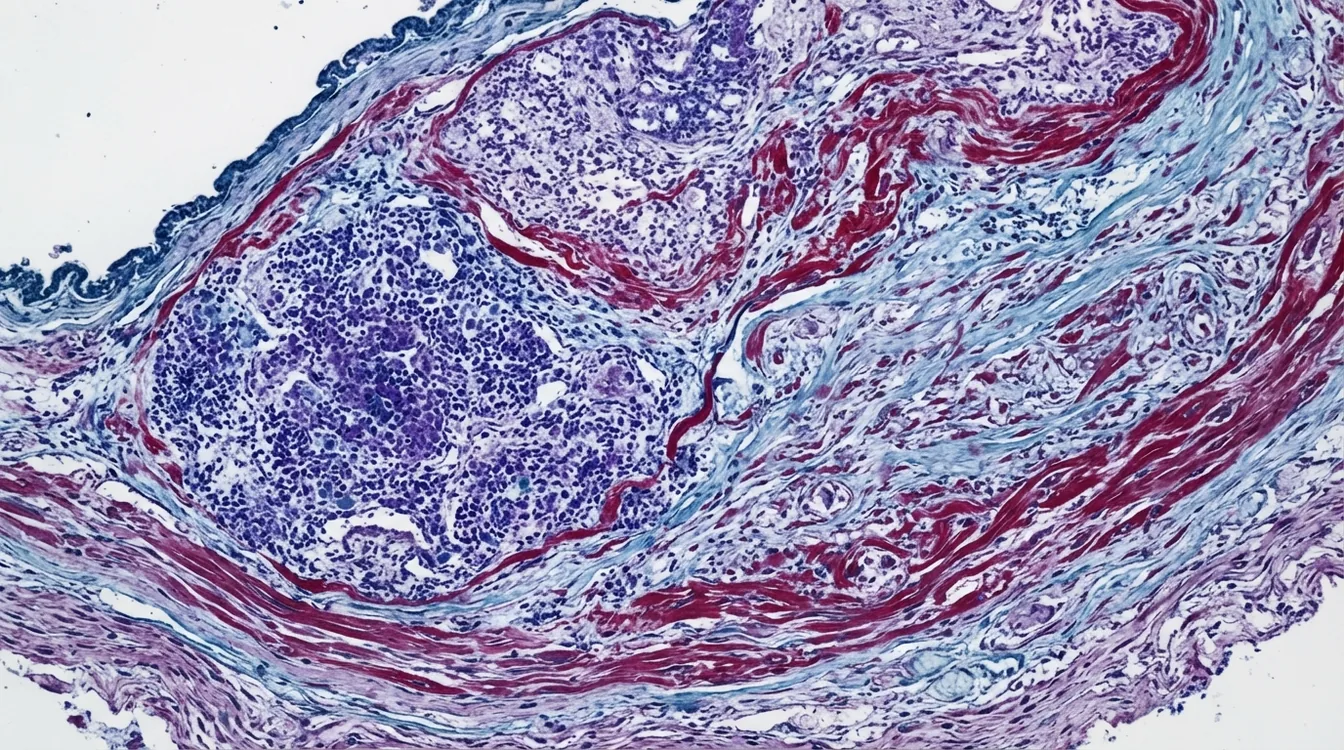
Therapeutic Immune Reprogramming by Rapamycin Attenuates Plaque Inflammation and Lymphoid Immune Responses in Aged Atherosclerotic Mice
Key Takeaways
  • Systemic rapamycin treatment reduced inflammatory cell content within atherosclerotic plaques in aged mice.
  • Rapamycin altered lymphoid immune responses, shifting immune cell phenotypes consistent with reduced proinflammatory activity.
  • Immunomodulation via mTOR inhibition with rapamycin presents a potential strategy to attenuate vascular aging and plaque inflammation.
Read the full article at Aging Cell ↗

Continue exploring

Recommended MoL Picks

MoL PickReducing Inflammation from Ageing Cells: What a Mouse Study FoundResearchers reduced the inflammatory signals released by cells that had stopped dividing. Older mice also improved on some strength and frailty tests. Whether this approach could help people remains unknown.MoL PickGrowth Hormone Receptor Deletion Extends Mouse LifespanStudy summary: researchers switched off the growth hormone receptor in middle-aged mice and followed survival and physical function.MoL PickSeed Oils and Health: Inflammation, Processing and EvidenceHuman trials, processing risks and long-term health ask different questions. What can seed-oil research tell us—and what remains unresolved?