
News summary

The Oldest Living Land Animal Is 194. Now DNA May Reveal the Secret to His Longevity.

Source: Singularity Hub • Published: 15 Oct 2026, 14:00

Summarized by Masters of Longevity from Singularity Hub.

A science feature explaining genomic and epigenetic research into an exceptionally long-lived tortoise, inviting readers curious about longevity biology.
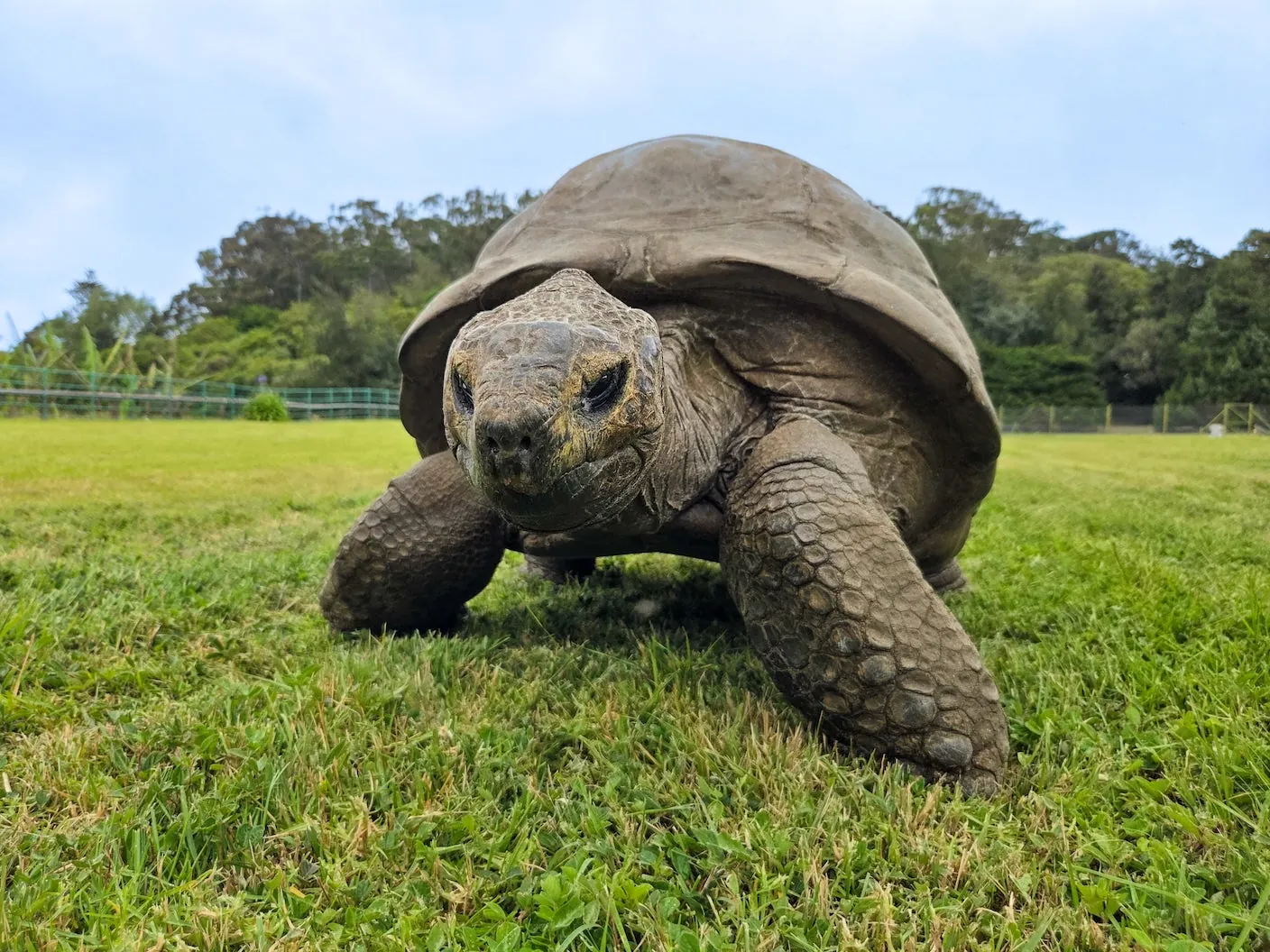
The Oldest Living Land Animal Is 194. Now DNA May Reveal the Secret to His Longevity.
Key Takeaways
  • Researchers reconstructed about 95% of the tortoise's genome using a younger conspecific to fill sequencing gaps.
  • 287 genes unique to the 194-year-old tortoise included many linked to DNA repair and telomere maintenance.
  • Mitochondria-related DNA methylation patterns remained youthful, resembling those of a five-year-old Aldabra tortoise.
Read the full article at Singularity Hub ↗

Continue exploring

Recommended MoL Picks

MoL PickCan You Really Measure Whether You’re Aging More Slowly?A younger epigenetic-age score can look like proof that an intervention is working. A major new analysis shows which clocks detect change—and why movement is not yet the same as longer healthspan.MoL PickReducing Inflammation from Ageing Cells: What a Mouse Study FoundResearchers reduced the inflammatory signals released by cells that had stopped dividing. Older mice also improved on some strength and frailty tests. Whether this approach could help people remains unknown.MoL PickWhat Changes in the Human Hippocampus with Age?A study of 40 postmortem brains maps a midlife shift in immune cells and a wider loss of cellular and genome organisation—but it does not show how to prevent cognitive decline.