
News summary

Succinate Dehydrogenase as a Regulator of the Regenerative Capacity of the Heart

Source: Fight Aging! • Published: 08 Oct 2026, 18:21

Summarized by Masters of Longevity from Fight Aging!.

Succinate dehydrogenase research that examines how transient enzyme inhibition reshapes cellular metabolism and epigenetics to influence heart repair, inviting readers to explore a lab-based study of multicellular regenerative regulation.
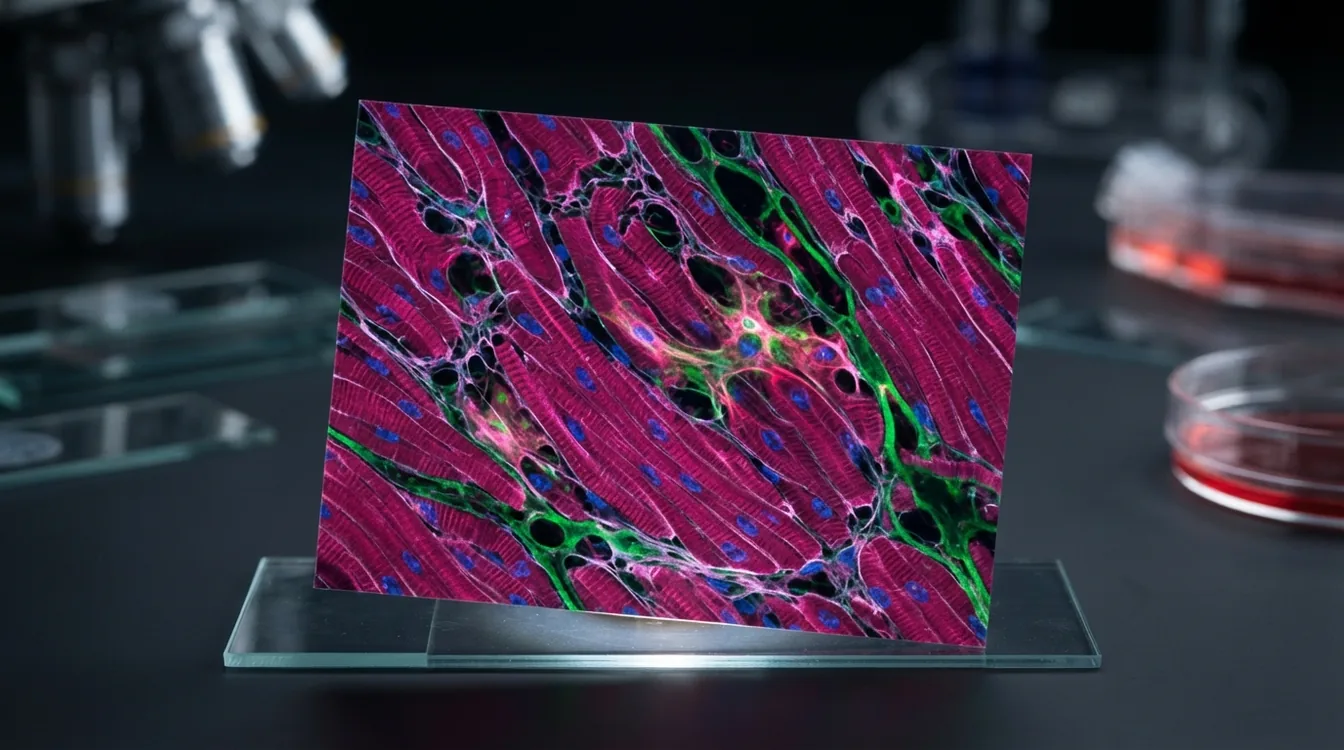
Succinate Dehydrogenase as a Regulator of the Regenerative Capacity of the Heart
Key Takeaways
  • Transient pharmacological inhibition of succinate dehydrogenase (SDH) metabolically reprograms injured adult hearts toward a more regenerative state.
  • Cardiomyocyte-specific Sdhb deletion increased cardiomyocyte proliferation but did not improve post-infarction cardiac function.
  • Myofibroblast-specific Sdhb deletion suppressed myofibroblast activation and fibrosis, leading to improved cardiac function.
Read the full article at Fight Aging! ↗

Continue exploring

Recommended MoL Picks

MoL PickReducing Inflammation from Ageing Cells: What a Mouse Study FoundResearchers reduced the inflammatory signals released by cells that had stopped dividing. Older mice also improved on some strength and frailty tests. Whether this approach could help people remains unknown.MoL PickGrowth Hormone Receptor Deletion Extends Mouse LifespanStudy summary: researchers switched off the growth hormone receptor in middle-aged mice and followed survival and physical function.MoL PickMelatonin and Heart Failure: What the Evidence Actually ShowsA 2025 study linked melatonin use with heart failure. A 2026 analysis found no significant association. Their different designs explain why the question remains open.