
News summary

Smartwatch health data are piling up. How can doctors keep pace?

Source: Nature - Main • Published: 14 Oct 2026, 00:00

Summarized by Masters of Longevity from Nature - Main.

Report on how the surge of consumer wearable health data is challenging clinical workflows and prompting trials and protocols to integrate device outputs into care.
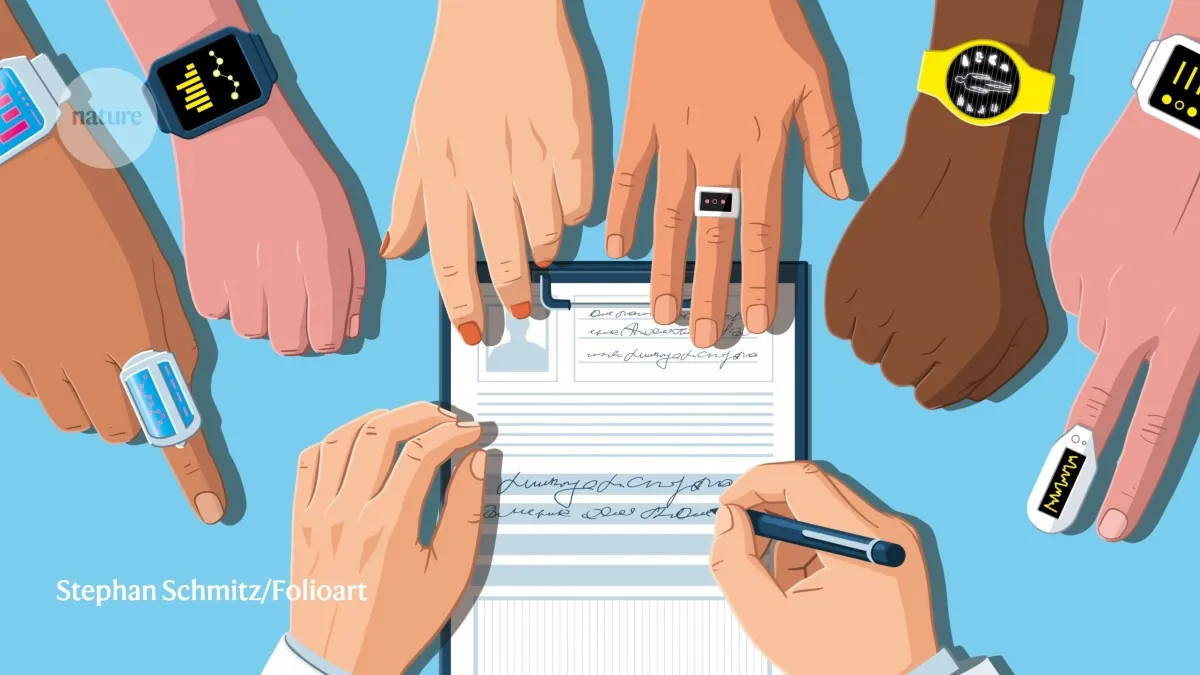
Smartwatch health data are piling up. How can doctors keep pace?
Key Takeaways
  • REACT-AF randomizes atrial fibrillation patients to usual anticoagulation or smartwatch-guided temporary medication restarts.
  • Consumer smartwatches can detect multiple arrhythmias but carry substantial false-positive risk due to inaccurate readings.
  • A controlled trial found smartwatches correctly identified 77% of falls with a 1.7% false-positive rate.
Read the full article at Nature - Main ↗

Continue exploring

Recommended MoL Picks

MoL PickCan Doctors Be Trained for the Longevity Era?A new global survey suggests that healthy longevity medicine education can change how physicians think and talk about ageing. But the evidence also highlights how much work remains before a rapidly growing field becomes routine clinical care.MoL PickBiotin for Hair Growth: The Weak Evidence—and the Blood-Test Risk Most People MissBiotin deficiency can affect hair. That does not mean more biotin makes healthy hair grow—and high doses can distort important laboratory results.MoL PickApoB: The cholesterol signal LDL can missIn longevity medicine, the useful biomarkers are not always the exotic ones. ApoB is a relatively simple blood test that can sharpen cardiovascular prevention when LDL-C looks reassuring but particle burden remains high.