
News summary

Roles of exosomal miRNAs from different sources in knee osteoarthritis: exercise-regulated skeletal muscle-derived exosomal miRNAs as a prospective therapeutic avenue

Source: Frontiers - Health • Published: 28 Sept 2026, 00:00

Summarized by Masters of Longevity from Frontiers - Health.

Knee osteoarthritis readers will find a narrative review exploring how exosomal microRNAs from various tissues may mediate disease biology and exercise-related muscle–joint signaling.
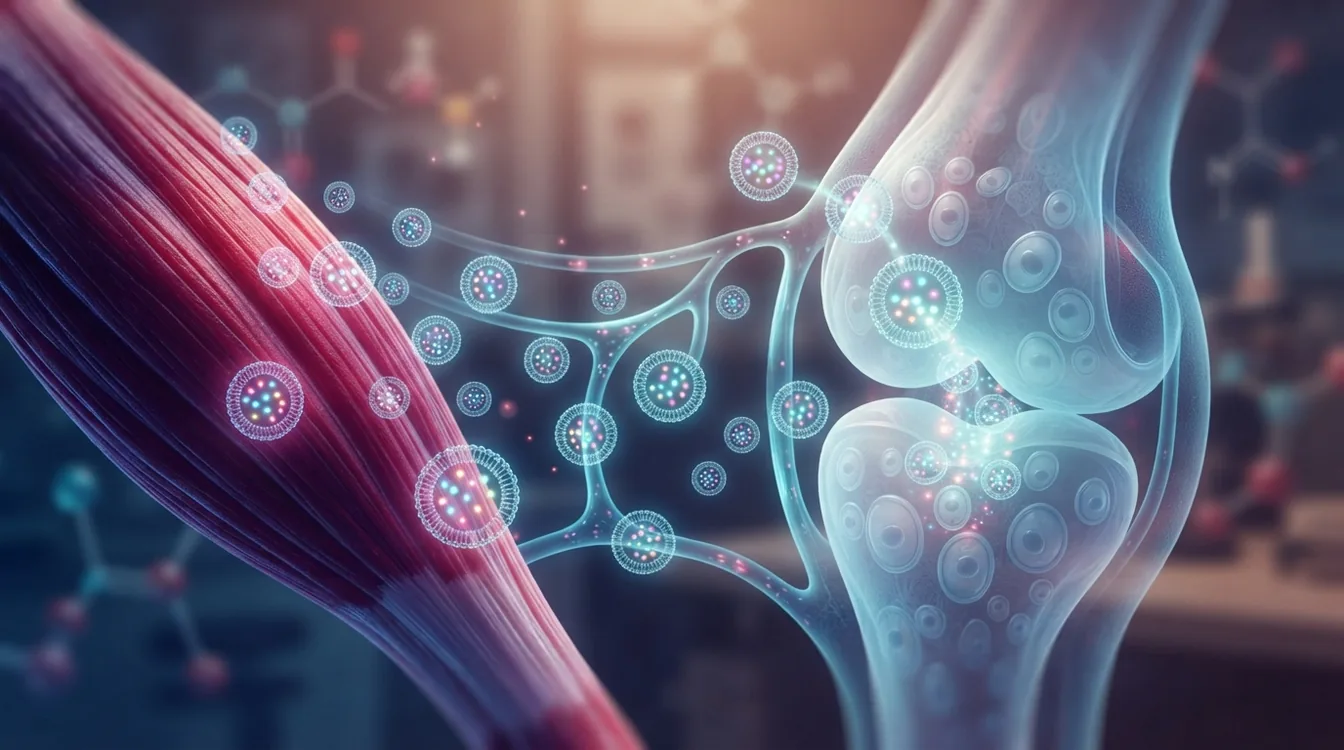
Roles of exosomal miRNAs from different sources in knee osteoarthritis: exercise-regulated skeletal muscle-derived exosomal miRNAs as a prospective therapeutic avenue
Key Takeaways
  • Knee osteoarthritis (KOA) is the most prevalent degenerative joint disorder in the aging population and a leading cause of joint deformity and physical disability.
  • Long-term KOA management demands sustained pharmacological and lifestyle interventions, while advanced stages often necessitate joint replacement surgery, imposing heavy socioeconomic burdens.
  • This narrative review examines the roles of exosomal microRNAs (miRNAs) from diverse cellular sources in KOA, with particular emphasis on exercise-regulated, skeletal muscle-derived exosomal miRNAs.
Read the full article at Frontiers - Health ↗

Continue exploring

Recommended MoL Picks

MoL PickReducing Inflammation from Ageing Cells: What a Mouse Study FoundResearchers reduced the inflammatory signals released by cells that had stopped dividing. Older mice also improved on some strength and frailty tests. Whether this approach could help people remains unknown.MoL PickApple Brings Longevity to the Wrist. What Will It Change?Apple’s new Health Age, readiness and movement tools bring long-term health into everyday view. The opportunity is turning that information into useful action.MoL PickWhat Changes in the Human Hippocampus with Age?A study of 40 postmortem brains maps a midlife shift in immune cells and a wider loss of cellular and genome organisation—but it does not show how to prevent cognitive decline.