
News summary

Metabolic reprogramming of macrophage-specific transketolase orchestrates angiogenesis in diabetic wounds

Source: Nature - Biotechnology • Published: 17 Oct 2026, 00:00

Summarized by Masters of Longevity from Nature - Biotechnology.

Macrophage metabolism takes center stage in a research article examining how altering a key enzyme can influence blood vessel growth in diabetic wounds, and what therapeutic avenues the paper explores.
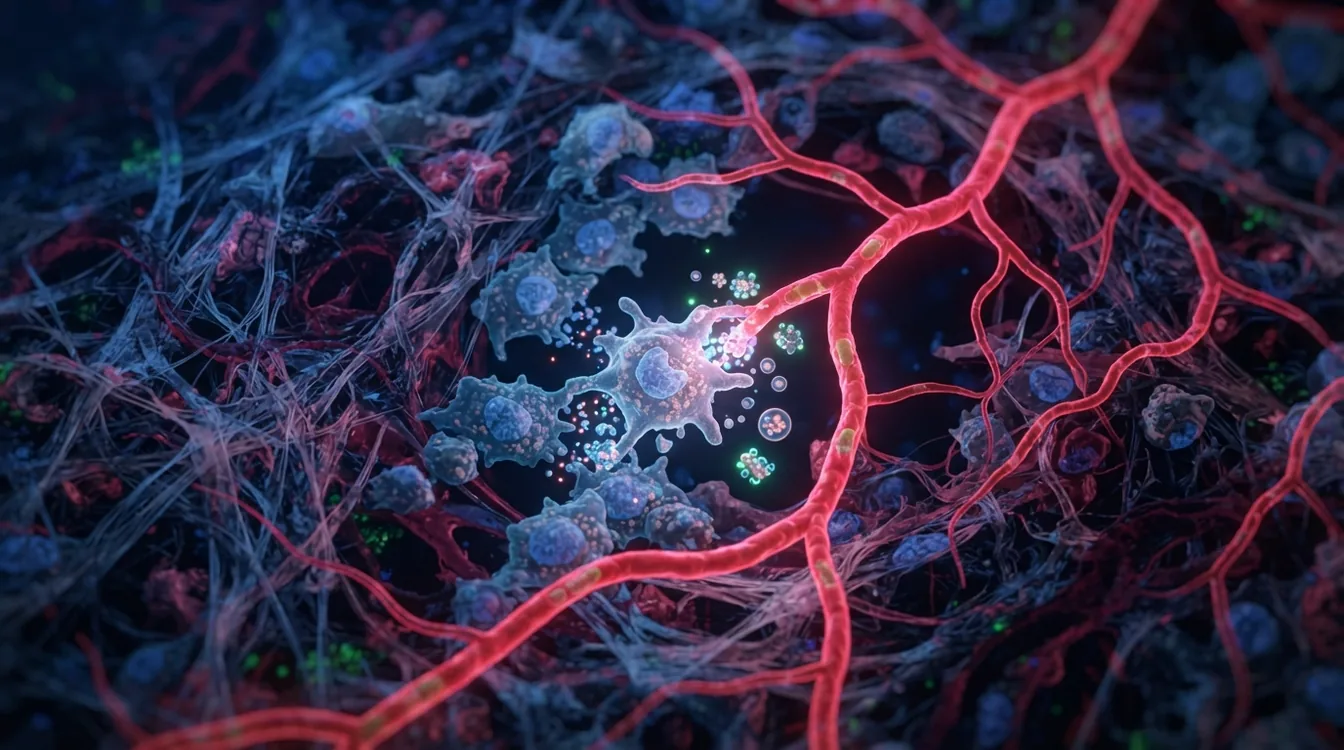
Metabolic reprogramming of macrophage-specific transketolase orchestrates angiogenesis in diabetic wounds
Key Takeaways
  • View all journals Metabolic reprogramming of macrophage-specific transketolase orchestrates angiogenesis in diabetic wounds We’re sharing this article early to provide faster access to peer-reviewed, accepted research.
  • Diabetic wound healing is profoundly impaired by macrophage metabolic dysfunction, which compromises angiogenesis.
Read the full article at Nature - Biotechnology ↗

Continue exploring

Recommended MoL Picks

MoL PickBiotin for Hair Growth: The Weak Evidence—and the Blood-Test Risk Most People MissBiotin deficiency can affect hair. That does not mean more biotin makes healthy hair grow—and high doses can distort important laboratory results.MoL PickApoB: The cholesterol signal LDL can missIn longevity medicine, the useful biomarkers are not always the exotic ones. ApoB is a relatively simple blood test that can sharpen cardiovascular prevention when LDL-C looks reassuring but particle burden remains high.MoL PickSemaglutide Extended Lifespan in Mice. What Would Make It a Human Longevity Drug?A new animal study sharpens an important question: when do benefits in a particular disease become evidence for a longer, healthier life?