
News summary

LIC 2026: What Investors Should Take From Gstaad

Source: Longevity Investors News • Published: 25 Sept 2026, 15:02

Summarized by Masters of Longevity from Longevity Investors News.

Investor-focused coverage previewing a conference roundup on longevity biotech trends, investment patterns, and how to judge emerging aging claims.
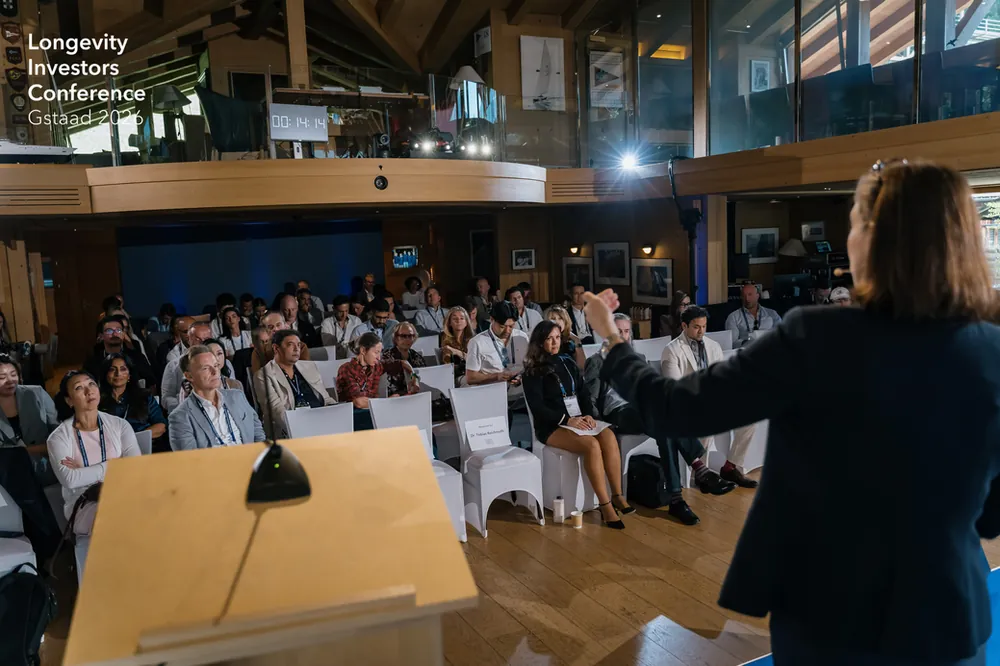
LIC 2026: What Investors Should Take From Gstaad
Key Takeaways
  • Longevity biotech moved from animal studies to human trials, exemplified by Life Biosciences dosing a first participant for an epigenetic eye therapy.
  • Investment is concentrated: median 2026 longevity deals were $21.8M while the average was $91.2M, driven by a few large rounds.
  • Validated aging biomarkers remain lacking, and projects analyzing trial blood samples aim to identify biomarkers that predict clinical outcomes.
Read the full article at Longevity Investors News ↗

Continue exploring

Recommended MoL Picks

MoL PickApoB: The cholesterol signal LDL can missIn longevity medicine, the useful biomarkers are not always the exotic ones. ApoB is a relatively simple blood test that can sharpen cardiovascular prevention when LDL-C looks reassuring but particle burden remains high.MoL PickBiotin for Hair Growth: The Weak Evidence—and the Blood-Test Risk Most People MissBiotin deficiency can affect hair. That does not mean more biotin makes healthy hair grow—and high doses can distort important laboratory results.MoL PickCan You Really Measure Whether You’re Aging More Slowly?A younger epigenetic-age score can look like proof that an intervention is working. A major new analysis shows which clocks detect change—and why movement is not yet the same as longer healthspan.