
News summary

High‐Fat Diet–Induced Metabolic Stress Durably Reprograms the Liver Regenerative Compartment Toward a Senescence‐Like State

Source: Aging Cell • Published: 16 Oct 2026, 07:04

Summarized by Masters of Longevity from Aging Cell.

This research article examines how dietary fat exposure reshapes the liver’s regenerative cell compartment, guiding readers through experimental approaches and implications for tissue repair.
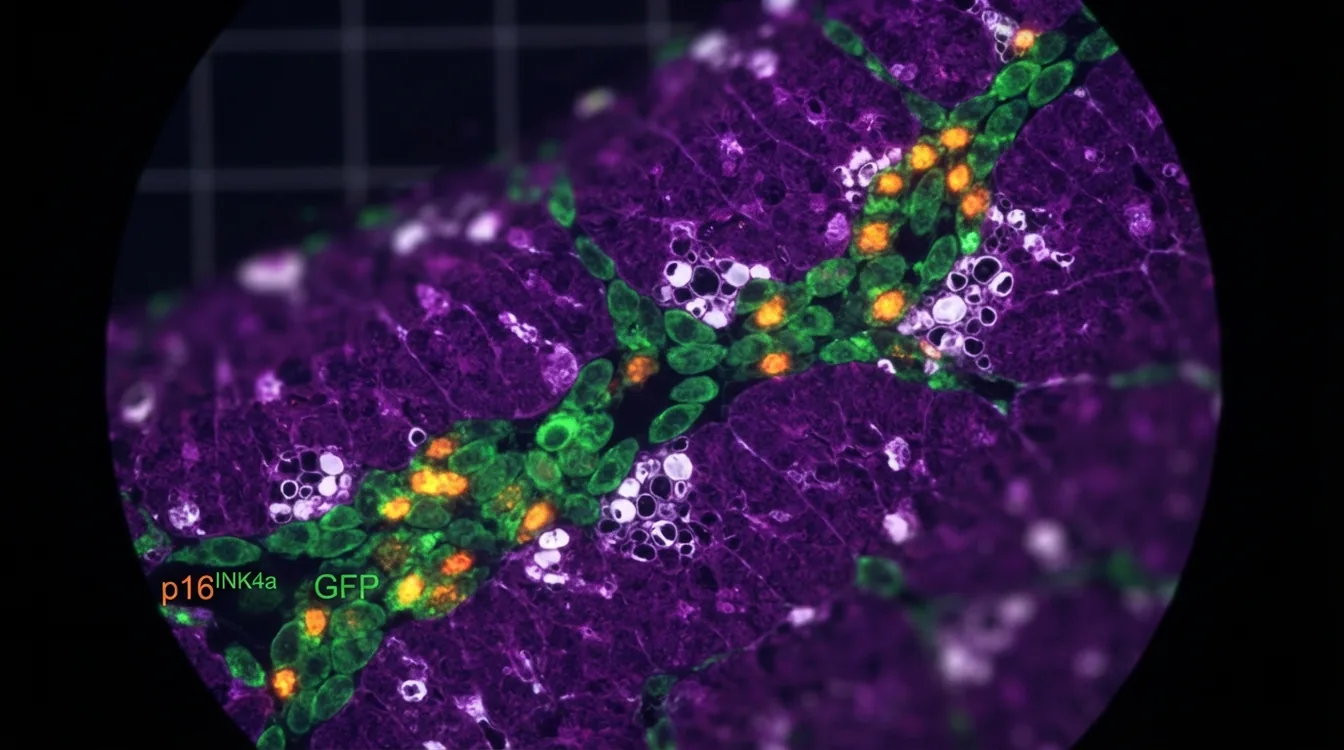
High‐Fat Diet–Induced Metabolic Stress Durably Reprograms the Liver Regenerative Compartment Toward a Senescence‐Like State
Key Takeaways
  • High-fat diet exposure durably reprogrammed liver regenerative cells toward a senescence-like transcriptional state in the reported experiments.
  • Reprogrammed hepatic regenerative compartments showed persistent metabolic stress signatures even after dietary normalization.
  • Authors linked the senescence-like state to impaired regenerative capacity in the liver as observed in the study.
Read the full article at Aging Cell ↗

Continue exploring

Recommended MoL Picks

MoL PickBiotin for Hair Growth: The Weak Evidence—and the Blood-Test Risk Most People MissBiotin deficiency can affect hair. That does not mean more biotin makes healthy hair grow—and high doses can distort important laboratory results.MoL PickApoB: The cholesterol signal LDL can missIn longevity medicine, the useful biomarkers are not always the exotic ones. ApoB is a relatively simple blood test that can sharpen cardiovascular prevention when LDL-C looks reassuring but particle burden remains high.MoL PickThe Next Obesity-Drug Race Is About What Weight You LoseRegeneron’s myostatin and activin A antibodies point to a sharper question for the GLP-1 era: not whether people can lose more weight, but whether medicine can preserve the tissue that makes weight loss healthier.