
News summary

GLP-1 drugs fail to help some people lose weight — scientists are on a quest for answers

Source: Nature - Main • Published: 24 Sept 2026, 00:00

Summarized by Masters of Longevity from Nature - Main.

Report on research probing why 10–15% of patients show little or no weight loss from GLP-1–based obesity drugs and emerging hypotheses.
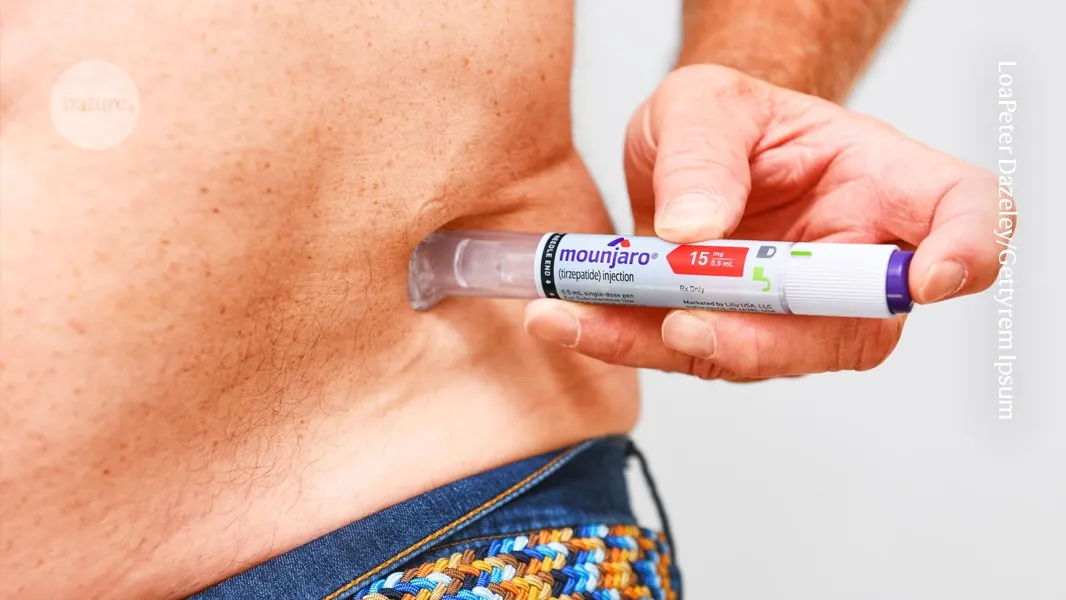
GLP-1 drugs fail to help some people lose weight — scientists are on a quest for answers
Key Takeaways
  • “There is tremendous heterogeneity” in the response to these medications, says Daniel Drucker , an endocrinologist at the University of Toronto in Canada, whose work aided in the development of GLP-1 drugs.
  • Those tantalizing possibilities have made people’s individualized responses to GLP-1s a key line of enquiry for obesity scientists.
Read the full article at Nature - Main ↗

Continue exploring

Recommended MoL Picks

MoL PickThe Next Obesity-Drug Race Is About What Weight You LoseRegeneron’s myostatin and activin A antibodies point to a sharper question for the GLP-1 era: not whether people can lose more weight, but whether medicine can preserve the tissue that makes weight loss healthier.MoL PickSemaglutide Extended Lifespan in Mice. What Would Make It a Human Longevity Drug?A new animal study sharpens an important question: when do benefits in a particular disease become evidence for a longer, healthier life?MoL PickApoB: The cholesterol signal LDL can missIn longevity medicine, the useful biomarkers are not always the exotic ones. ApoB is a relatively simple blood test that can sharpen cardiovascular prevention when LDL-C looks reassuring but particle burden remains high.