
News summary

Genprex Highlights New Preclinical Data Identifying Role of TUSC2, the Gene Used in REQORSA®, in Maintaining Cellular Function During Brain Aging

Source: PR Newswire • Published: 21 Oct 2026, 11:00

Summarized by Masters of Longevity from PR Newswire.

Preclinical mouse research links loss of the tumor suppressor gene TUSC2 to accelerated hippocampal aging and identifies sex-specific differences in cellular resilience.
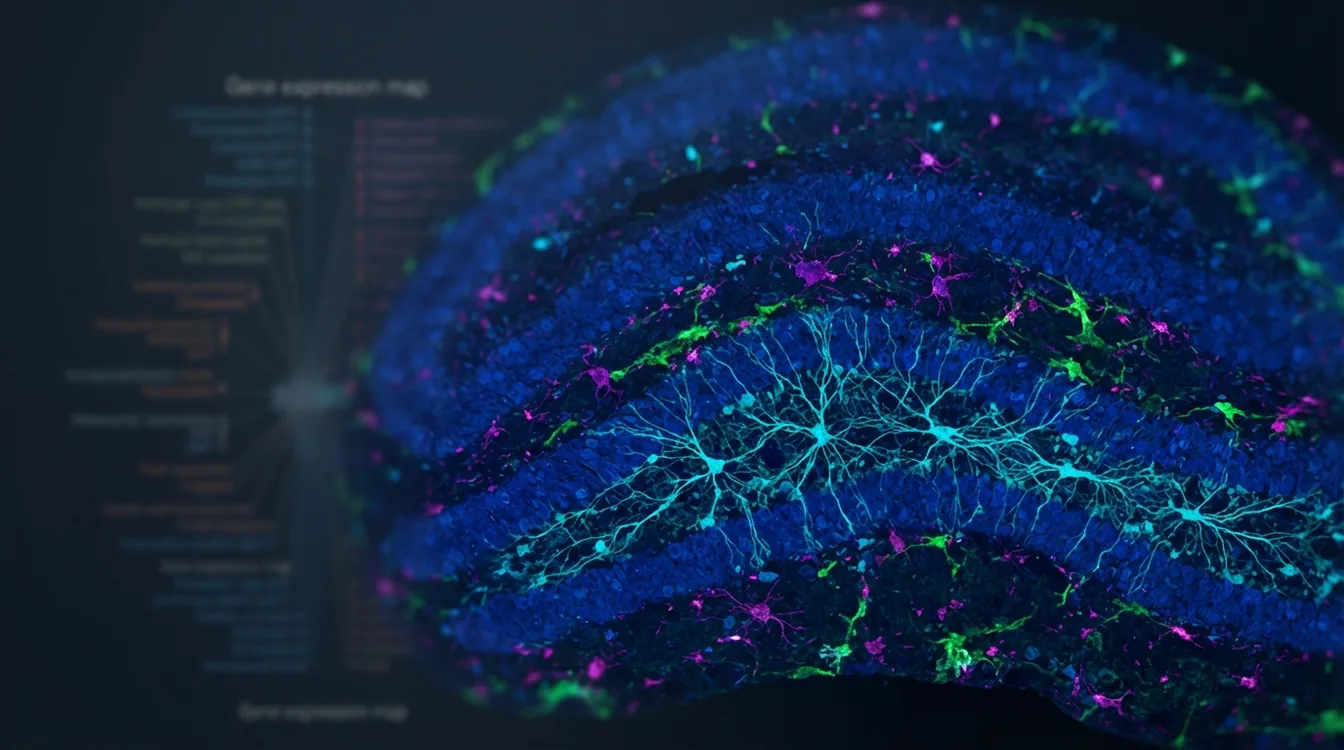
Genprex Highlights New Preclinical Data Identifying Role of TUSC2, the Gene Used in REQORSA®, in Maintaining Cellular Function During Brain Aging
Key Takeaways
  • TUSC2 expression declined with age in 11 of 13 human brain regions and was further reduced in Alzheimer’s datasets.
  • TUSC2 knockout mice showed mitochondrial dysfunction, impaired proteostasis, and accelerated molecular signs of hippocampal aging.
  • Male TUSC2-deficient mice had greater mitochondrial and synaptic pathway disruption while females showed adaptive stress responses.
Read the full article at PR Newswire ↗

Continue exploring

Recommended MoL Picks

MoL PickReducing Inflammation from Ageing Cells: What a Mouse Study FoundResearchers reduced the inflammatory signals released by cells that had stopped dividing. Older mice also improved on some strength and frailty tests. Whether this approach could help people remains unknown.MoL PickWhat Changes in the Human Hippocampus with Age?A study of 40 postmortem brains maps a midlife shift in immune cells and a wider loss of cellular and genome organisation—but it does not show how to prevent cognitive decline.MoL PickGrowth Hormone Receptor Deletion Extends Mouse LifespanStudy summary: researchers switched off the growth hormone receptor in middle-aged mice and followed survival and physical function.