
News summary

Genome accessibility reveals disease risk that gene expression misses

Source: Nature - Main • Published: 07 Oct 2026, 00:00

Summarized by Masters of Longevity from Nature - Main.

A population-scale research article examining how combined chromatin accessibility and expression profiling can illuminate regulatory mechanisms behind immune-related disease risk.
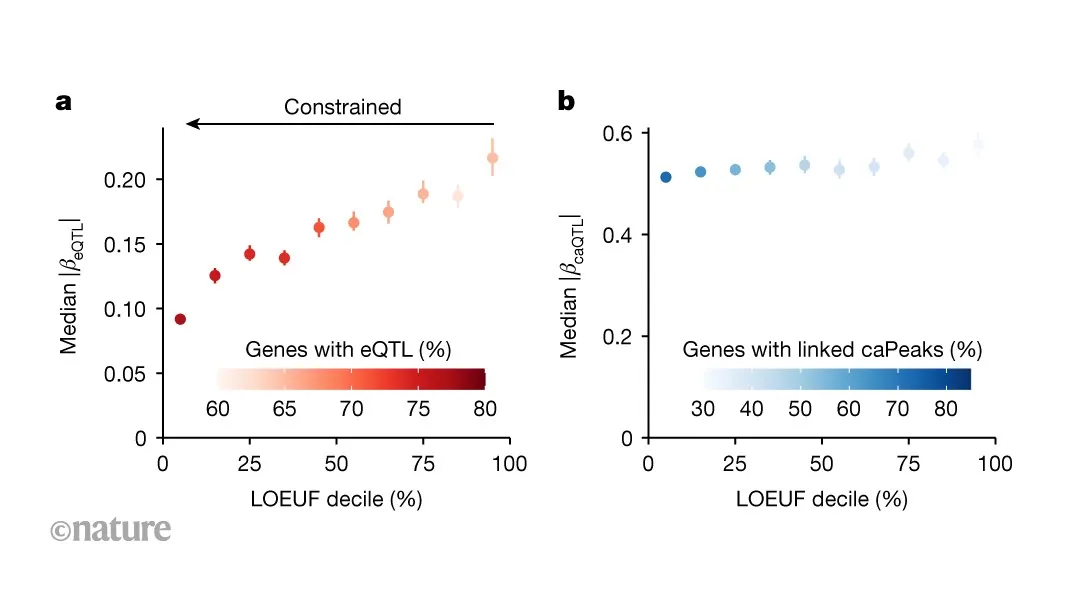
Genome accessibility reveals disease risk that gene expression misses
Key Takeaways
  • Researchers profiled chromatin accessibility and gene expression simultaneously across 10 million immune cells from 1,108 people.
  • The multiome analysis linked disease-associated noncoding variants to changes in genome accessibility rather than coding sequence alterations.
  • The atlas identifies regulatory mechanisms that connect accessibility changes to altered gene expression at disease loci.
Read the full article at Nature - Main ↗

Continue exploring

Recommended MoL Picks

MoL PickWhat Changes in the Human Hippocampus with Age?A study of 40 postmortem brains maps a midlife shift in immune cells and a wider loss of cellular and genome organisation—but it does not show how to prevent cognitive decline.MoL PickBiotin for Hair Growth: The Weak Evidence—and the Blood-Test Risk Most People MissBiotin deficiency can affect hair. That does not mean more biotin makes healthy hair grow—and high doses can distort important laboratory results.MoL PickApoB: The cholesterol signal LDL can missIn longevity medicine, the useful biomarkers are not always the exotic ones. ApoB is a relatively simple blood test that can sharpen cardiovascular prevention when LDL-C looks reassuring but particle burden remains high.