
News summary

Fractyl Revita reduces post-GLP-1 weight regain in pivotal study

Source: Longevity Technology • Published: 19 Oct 2026, 08:36

Summarized by Masters of Longevity from Longevity Technology.

An article previewing a clinical study report about an endoscopic treatment aimed at reducing weight regain after stopping GLP-1 therapy, inviting readers curious about post-medication obesity management and device-based interventions.
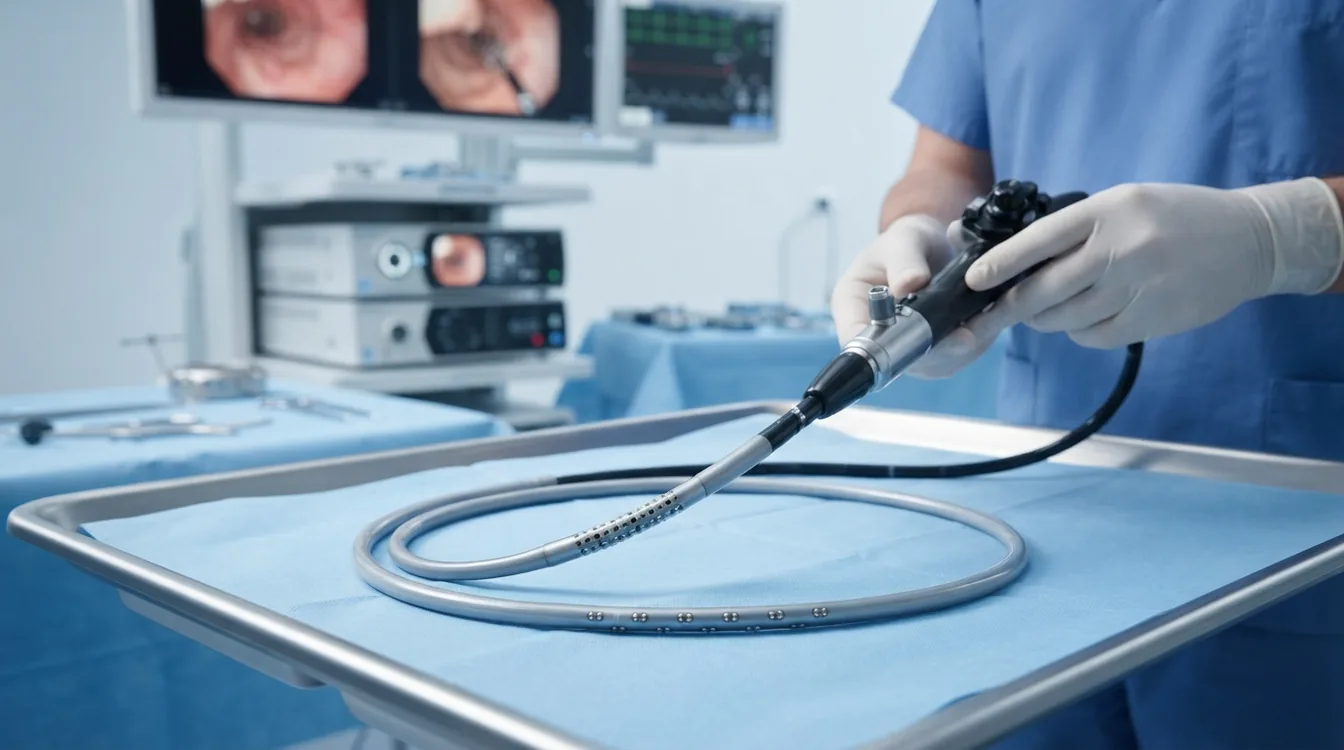
Fractyl Revita reduces post-GLP-1 weight regain in pivotal study
Key Takeaways
  • In the modified intention-to-treat population of 308 adults, Revita participants maintained about 80% of prior GLP-1 weight loss at six months versus 67% for sham.
  • Least-squares mean weight regain was 5.1% for Revita versus 8.2% for sham, a statistically significant difference (p=0.0023).
  • Fractyl reported a dose-dependent effect with ≥20 cm duodenal ablation showing 3.8% mean regain versus 8.2% for sham and holds FDA Breakthrough Device designation.
Read the full article at Longevity Technology ↗

Continue exploring

Recommended MoL Picks

MoL PickThe Next Obesity-Drug Race Is About What Weight You LoseRegeneron’s myostatin and activin A antibodies point to a sharper question for the GLP-1 era: not whether people can lose more weight, but whether medicine can preserve the tissue that makes weight loss healthier.MoL PickSemaglutide Extended Lifespan in Mice. What Would Make It a Human Longevity Drug?A new animal study sharpens an important question: when do benefits in a particular disease become evidence for a longer, healthier life?MoL PickApoB: The cholesterol signal LDL can missIn longevity medicine, the useful biomarkers are not always the exotic ones. ApoB is a relatively simple blood test that can sharpen cardiovascular prevention when LDL-C looks reassuring but particle burden remains high.