
News summary

Diabetes study finds keeping blood sugar too steady may come at a price

Source: ScienceDaily - Top Health • Published: 28 Sept 2026, 13:53

Summarized by Masters of Longevity from ScienceDaily - Top Health.

Daily wearable-glucose and experience-tracking study: expect an article exploring how day-to-day blood sugar patterns and sleep relate to next-day well-being.
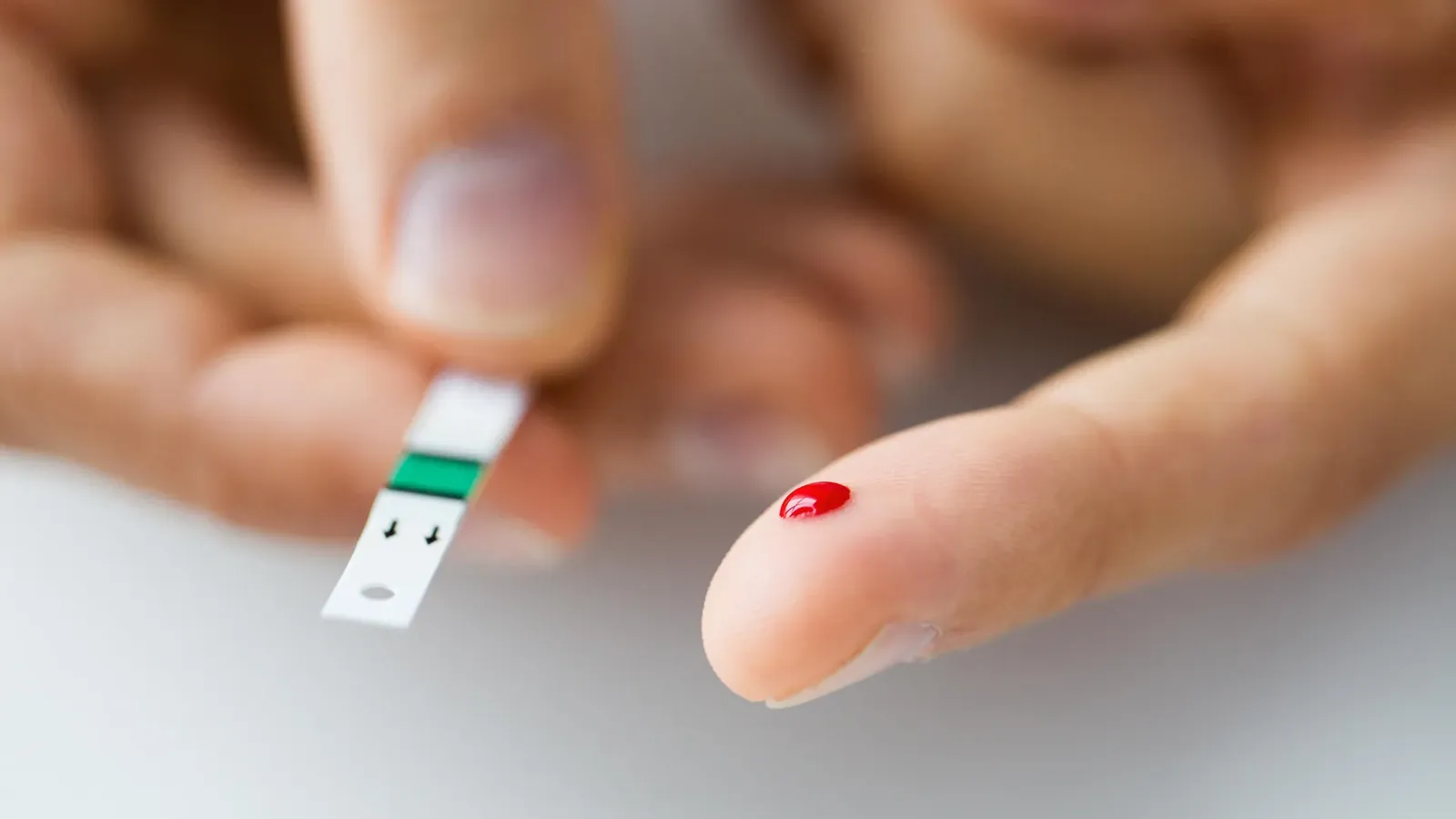
Diabetes study finds keeping blood sugar too steady may come at a price
Key Takeaways
  • Spending more time in the normal glucose range on one day predicted better quality of life the following day.
  • Higher-than-usual glucose variability on the previous day was unexpectedly associated with improved next-day quality of life.
  • Better sleep quality and higher reported energy the previous day also predicted improved well-being the next day.
Read the full article at ScienceDaily - Top Health ↗

Continue exploring

Recommended MoL Picks

MoL PickFrom Metrics to Better LivingEverstride’s May 2026 Consumer Health Market Briefing shows a wellness market moving from products to systems, from tracking to guidance, and from optimization to meaning. The next winners in longevity may not be the companies that measure the most. They may be the ones that help consumers translate health data into a life they actually want to live.MoL PickThe Next Obesity-Drug Race Is About What Weight You LoseRegeneron’s myostatin and activin A antibodies point to a sharper question for the GLP-1 era: not whether people can lose more weight, but whether medicine can preserve the tissue that makes weight loss healthier.MoL PickApoB: The cholesterol signal LDL can missIn longevity medicine, the useful biomarkers are not always the exotic ones. ApoB is a relatively simple blood test that can sharpen cardiovascular prevention when LDL-C looks reassuring but particle burden remains high.