
News summary

Common Mechanisms of Individual Longevity Across Long-Lived Species

Source: Fight Aging! • Published: 23 Sept 2026, 10:22

Summarized by Masters of Longevity from Fight Aging!.

Comparative biology coverage introducing a literature survey on molecular and physiological themes linked to individual longevity across very long‑lived plants and animals, inviting readers to learn which broad mechanisms researchers examine.
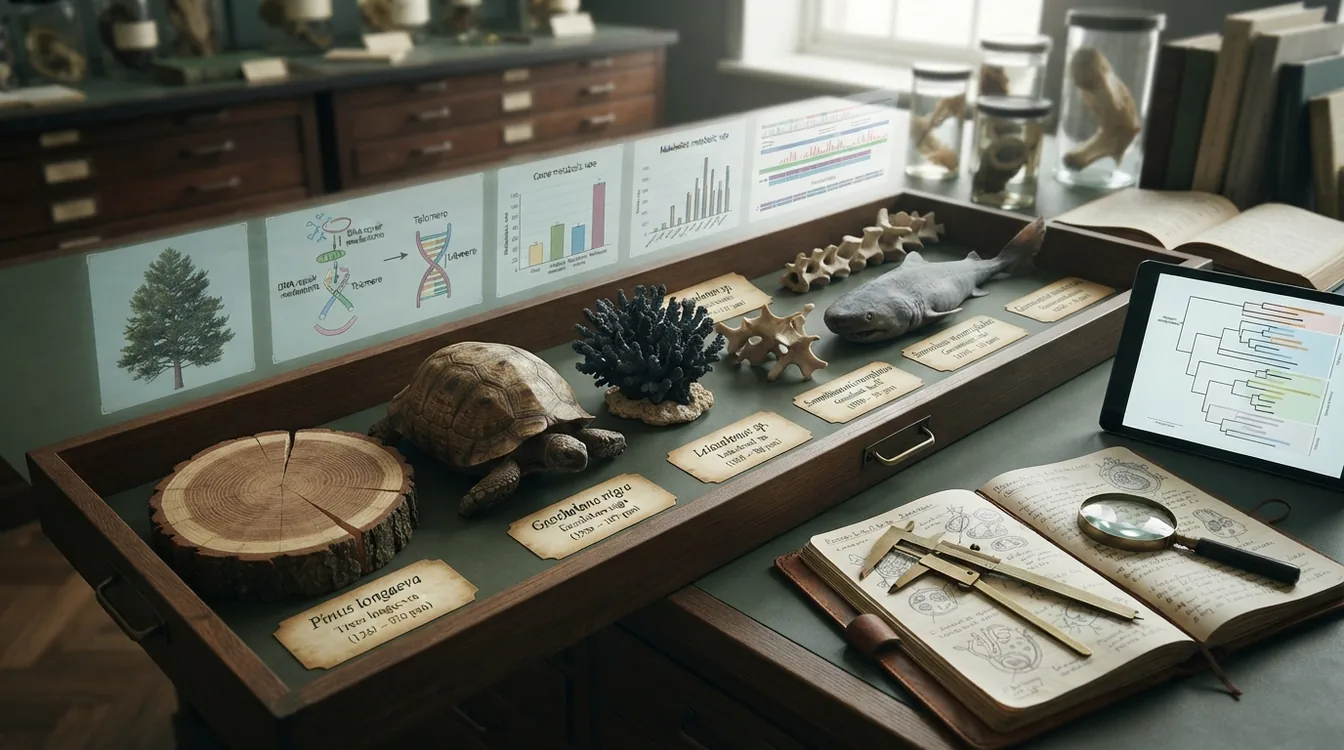
Common Mechanisms of Individual Longevity Across Long-Lived Species
Key Takeaways
  • DNA maintenance mechanisms, such as enhanced repair and genome stability, are strongly associated with longer lifespans across diverse long-lived species.
  • Preserved stemness and robust regenerative capacity correlate with individual and species-level longevity, supporting tissue maintenance over time.
  • Improved stress resilience, including oxidative and proteostatic defenses, consistently accompanies extended healthspan and lifespan across taxa.
Read the full article at Fight Aging!

Continue exploring

Recommended MoL Picks

MoL PickGrowth Hormone Receptor Deletion Extends Mouse LifespanStudy summary: researchers switched off the growth hormone receptor in middle-aged mice and followed survival and physical function.MoL PickSemaglutide Extended Lifespan in Mice. What Would Make It a Human Longevity Drug?A new animal study sharpens an important question: when do benefits in a particular disease become evidence for a longer, healthier life?MoL PickReducing Inflammation from Ageing Cells: What a Mouse Study FoundResearchers reduced the inflammatory signals released by cells that had stopped dividing. Older mice also improved on some strength and frailty tests. Whether this approach could help people remains unknown.