
News summary

Β‐Catenin‐Deficient Intervertebral Disc Cells Reduce Chemotactic Transcription and Myeloid Cell Recruitment to Injured Discs of Mice

Source: Aging Cell • Published: 02 Oct 2026, 06:53

Summarized by Masters of Longevity from Aging Cell.

Intervertebral disc cell β-catenin’s role in post-injury immune signaling is examined, previewing an experimental mouse study on altered chemotactic responses.
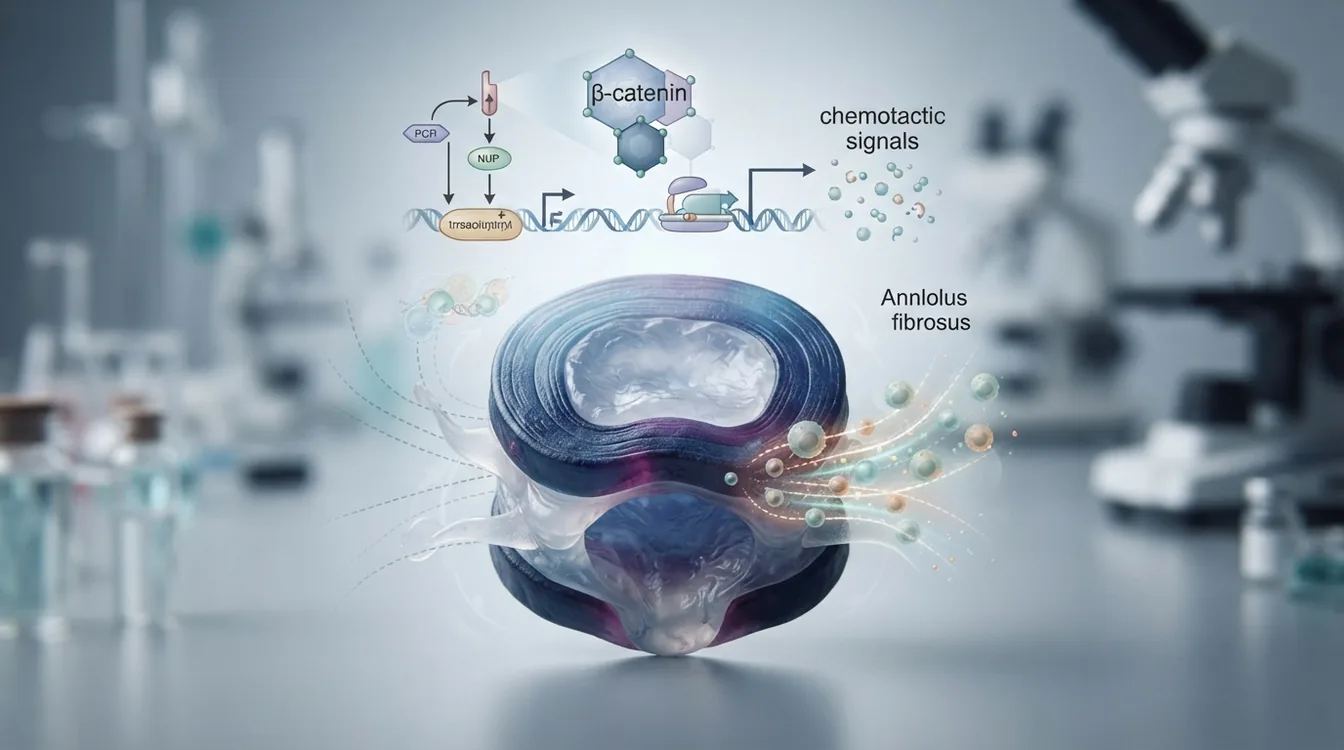
Β‐Catenin‐Deficient Intervertebral Disc Cells Reduce Chemotactic Transcription and Myeloid Cell Recruitment to Injured Discs of Mice
Key Takeaways
  • Β-Catenin deficiency in disc cells suppressed chemotactic gene transcription after acute disc injury in mice.
  • Reduced chemotactic signaling from β-catenin–deficient discs led to lower myeloid cell recruitment to injured tissue.
  • The study used a mouse injury model to link disc cell β-catenin status with altered immune cell infiltration after damage.
Read the full article at Aging Cell ↗

Continue exploring

Recommended MoL Picks

MoL PickReducing Inflammation from Ageing Cells: What a Mouse Study FoundResearchers reduced the inflammatory signals released by cells that had stopped dividing. Older mice also improved on some strength and frailty tests. Whether this approach could help people remains unknown.MoL PickGrowth Hormone Receptor Deletion Extends Mouse LifespanStudy summary: researchers switched off the growth hormone receptor in middle-aged mice and followed survival and physical function.MoL PickCreatine and Cancer: Why New Mouse Studies Point in Opposite DirectionsCreatine strengthened antitumour immune cells in one mouse study—and promoted metastasis through platelets in another. The apparent contradiction reveals why neither result is a supplement recommendation.