
News summary

Blocking Immune Cells Protects Memory and Brain Tissue in Alzheimer’s

Source: Neuroscience News • Published: 28 Sept 2026, 15:50

Summarized by Masters of Longevity from Neuroscience News.

This short news article previews research on blocking a peripheral immune receptor to prevent T cells entering the brain, outlining a potential neuroprotection strategy in Alzheimer’s models.
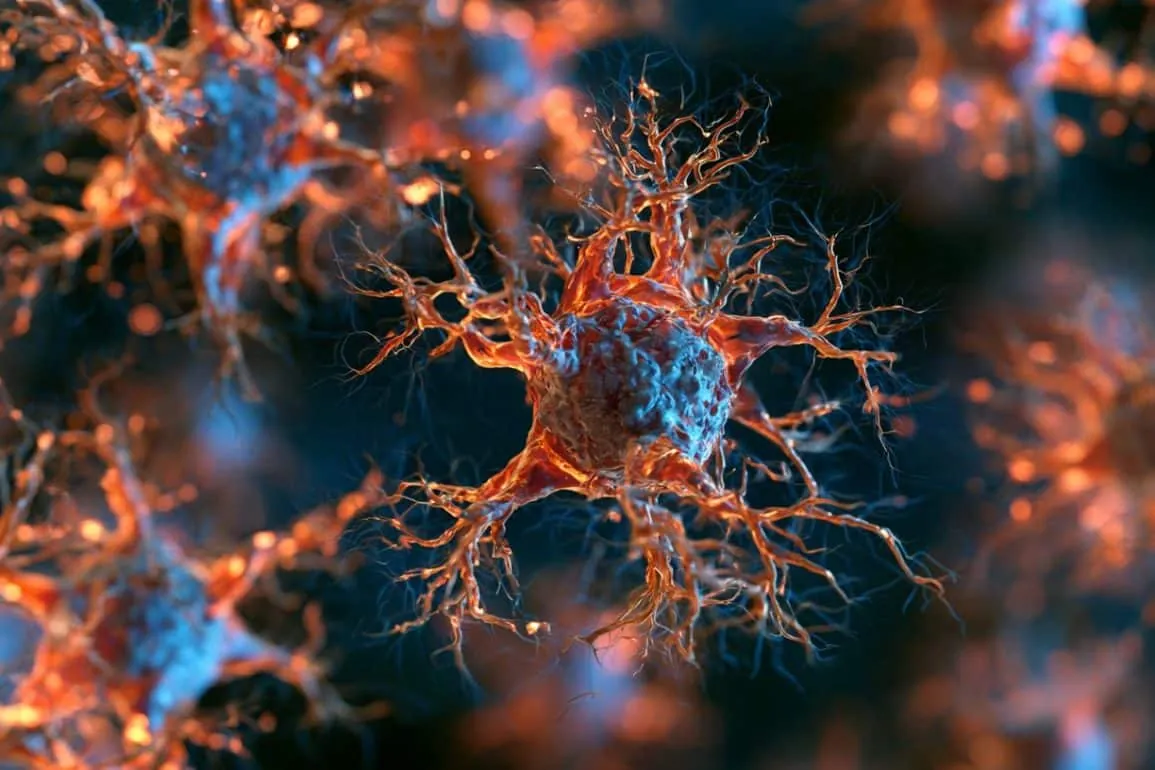
Blocking Immune Cells Protects Memory and Brain Tissue in Alzheimer’s
Key Takeaways
  • Blocking the CXCR3 chemokine receptor in mice halved T cell infiltration into affected brain regions.
  • Peripheral CXCR3 blockade preserved about 40% more tissue in memory-related brain centers despite unchanged tau levels.
  • Targeting peripheral immune signaling can prevent neurodegeneration without crossing the blood–brain barrier.
Read the full article at Neuroscience News ↗

Continue exploring

Recommended MoL Picks

MoL PickWhat Changes in the Human Hippocampus with Age?A study of 40 postmortem brains maps a midlife shift in immune cells and a wider loss of cellular and genome organisation—but it does not show how to prevent cognitive decline.MoL PickGrowth Hormone Receptor Deletion Extends Mouse LifespanStudy summary: researchers switched off the growth hormone receptor in middle-aged mice and followed survival and physical function.MoL PickSemaglutide Extended Lifespan in Mice. What Would Make It a Human Longevity Drug?A new animal study sharpens an important question: when do benefits in a particular disease become evidence for a longer, healthier life?