
News summary

Asprosin Promotes Vascular Endothelial Senescence Through STING Pathway Activation Mediated by mtROS–mtDNA Leakage Axis

Source: Aging Cell • Published: 16 Nov 2026, 03:25

Summarized by Masters of Longevity from Aging Cell.

Asprosin caused endothelial senescence via mtROS, mtDNA leakage, and STING.
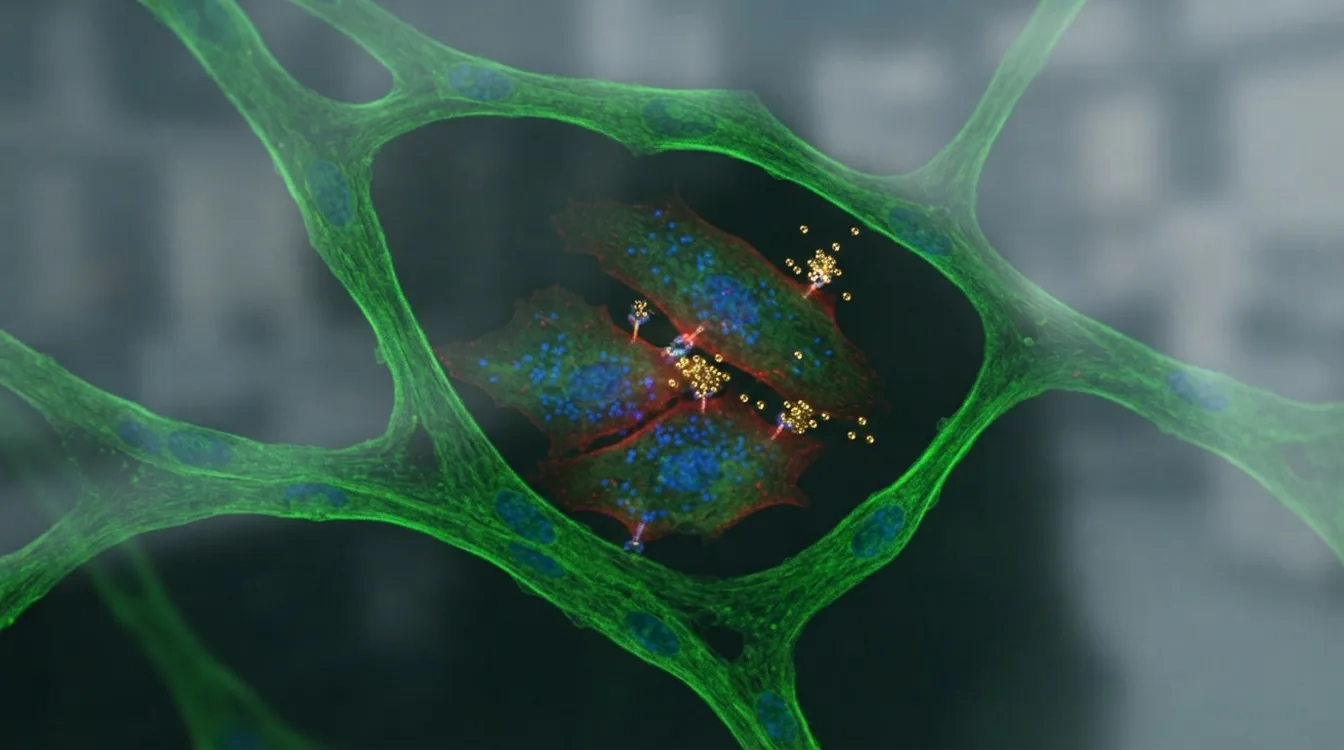
Asprosin Promotes Vascular Endothelial Senescence Through STING Pathway Activation Mediated by mtROS–mtDNA Leakage Axis
Key Takeaways
  • Asprosin increased endothelial senescence markers and reduced proliferation.
  • Asprosin raised mitochondrial ROS and promoted mtDNA leakage into cytosol.
  • Cytosolic mtDNA activated STING and STING inhibition reduced senescence.
Read the full article at Aging Cell ↗

Continue exploring

Recommended MoL Picks

MoL PickReducing Inflammation from Ageing Cells: What a Mouse Study FoundResearchers reduced the inflammatory signals released by cells that had stopped dividing. Older mice also improved on some strength and frailty tests. Whether this approach could help people remains unknown.MoL PickCreatine and Cancer: Why New Mouse Studies Point in Opposite DirectionsCreatine strengthened antitumour immune cells in one mouse study—and promoted metastasis through platelets in another. The apparent contradiction reveals why neither result is a supplement recommendation.MoL PickLongevity is leaving the clinicStephen Watson argues that hotels, gyms and residential communities can build longevity memberships around the relationships they already have.