
News summary

ARDD 2026 opens at Harvard with a call for rigor

Source: Longevity Technology • Published: 01 Oct 2026, 16:08

Summarized by Masters of Longevity from Longevity Technology.

Report from a major aging research meeting highlights calls for scientific rigor, prevention-focused policy, and building standardized clinical endpoints for aging trials.
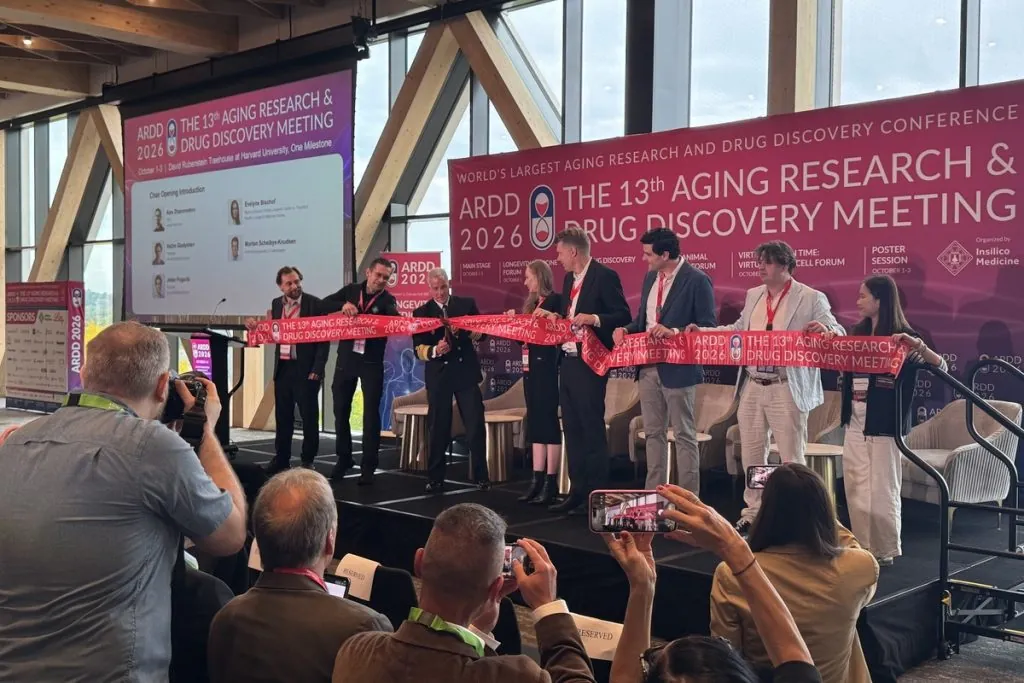
ARDD 2026 opens at Harvard with a call for rigor
Key Takeaways
  • Harvard and ARDD leaders urged the field to adopt rigorous trials, real-world evidence, and validated biomarkers for longevity claims.
  • ARPA-H launched PROSPR, a $144 million five-year program to harmonize data and develop a qualified clinical outcome assessment for aging.
  • PROSPR defined intrinsic capacity as a core trial endpoint and harmonized 20 outcomes into stratified intrinsic capacity scores.
Read the full article at Longevity Technology ↗

Continue exploring

Recommended MoL Picks

MoL PickApoB: The cholesterol signal LDL can missIn longevity medicine, the useful biomarkers are not always the exotic ones. ApoB is a relatively simple blood test that can sharpen cardiovascular prevention when LDL-C looks reassuring but particle burden remains high.MoL PickSeed Oils and Health: Inflammation, Processing and EvidenceHuman trials, processing risks and long-term health ask different questions. What can seed-oil research tell us—and what remains unresolved?MoL PickCan You Really Measure Whether You’re Aging More Slowly?A younger epigenetic-age score can look like proof that an intervention is working. A major new analysis shows which clocks detect change—and why movement is not yet the same as longer healthspan.