
News summary

APOEε2 Pericytes Provide a More Resilient Blood-Brain Barrier

Source: Fight Aging! • Published: 01 Oct 2026, 10:22

Summarized by Masters of Longevity from Fight Aging!.

Researchers examined how different APOE alleles affect pericyte function and blood–brain barrier resilience, comparing allele-specific effects across mouse and human cell models.
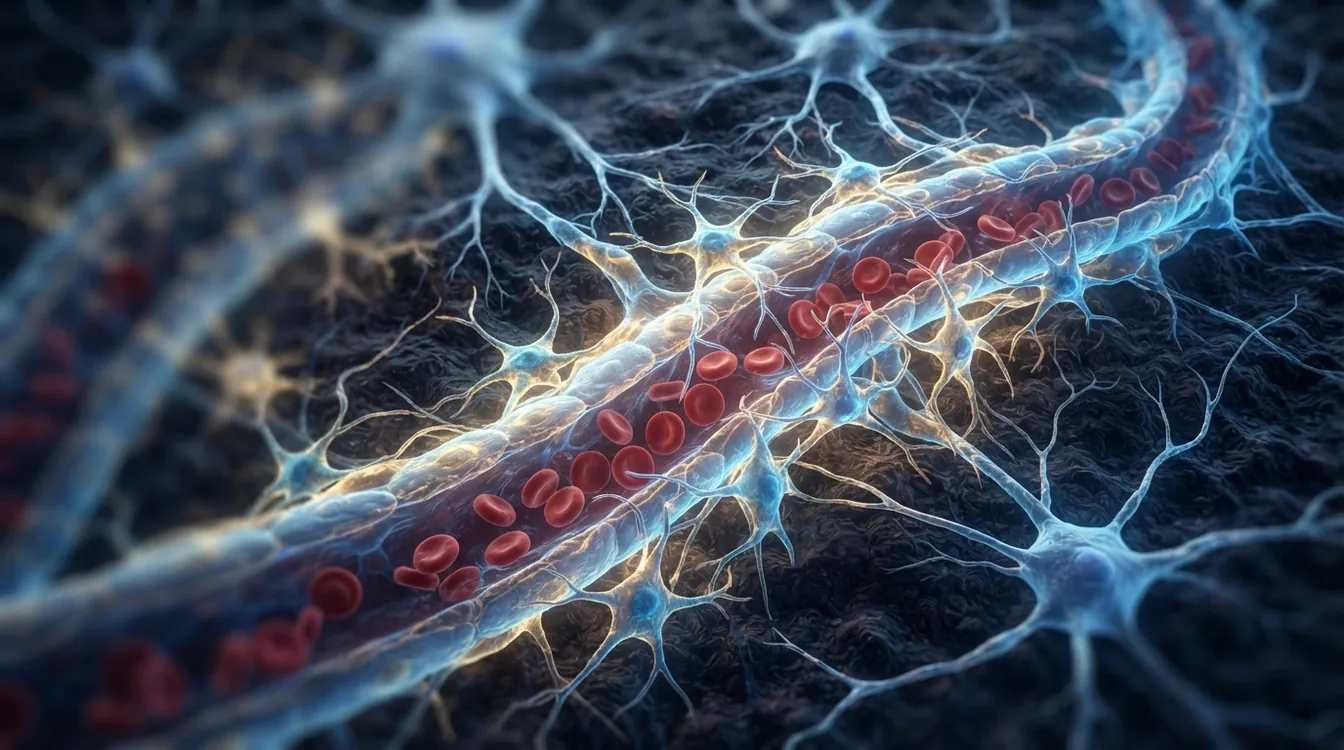
APOEε2 Pericytes Provide a More Resilient Blood-Brain Barrier
Key Takeaways
  • APOE2 knock-in mice showed higher pericyte markers and improved blood–brain barrier integrity compared with APOE3 and APOE4 mice.
  • Isogenic human iPSC-derived APOE2 pericytes provided greater in vitro BBB integrity and resisted senescence more than APOE3 or APOE4 cells.
  • APOE2 pericytes had distinct lipidomes with reduced phospholipids, increased triglycerides, lower lipid droplet accumulation, and upregulated lipid catabolism proteins.
Read the full article at Fight Aging! ↗

Continue exploring

Recommended MoL Picks

MoL PickReducing Inflammation from Ageing Cells: What a Mouse Study FoundResearchers reduced the inflammatory signals released by cells that had stopped dividing. Older mice also improved on some strength and frailty tests. Whether this approach could help people remains unknown.MoL PickGrowth Hormone Receptor Deletion Extends Mouse LifespanStudy summary: researchers switched off the growth hormone receptor in middle-aged mice and followed survival and physical function.MoL PickBiotin for Hair Growth: The Weak Evidence—and the Blood-Test Risk Most People MissBiotin deficiency can affect hair. That does not mean more biotin makes healthy hair grow—and high doses can distort important laboratory results.