
News summary

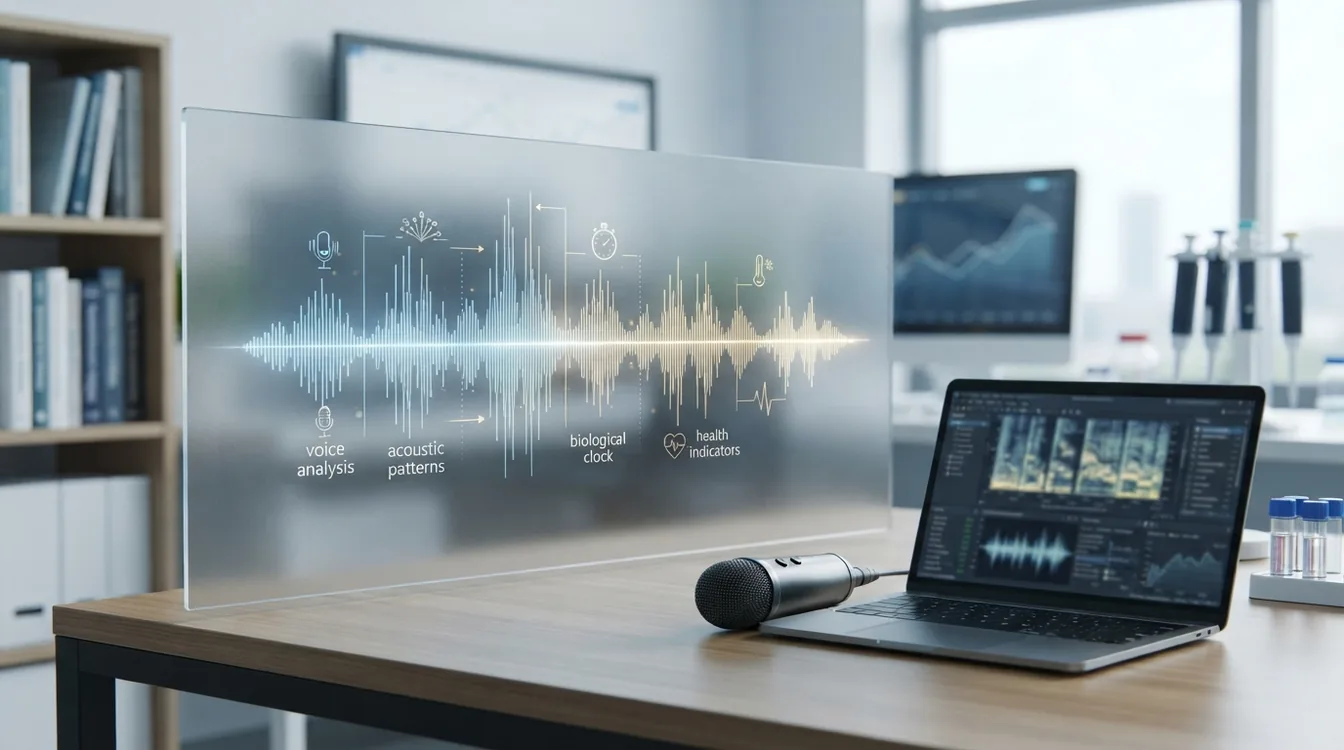
An Aging Clock Built on Speech Analysis Data

Source: Fight Aging! • Published: 08 Oct 2026, 10:22

Summarized by Masters of Longevity from Fight Aging!.

Speech-based aging research that uses acoustic and linguistic patterns to estimate age and flag aging-related changes; invites readers to learn how speech can serve as a scalable biomarker.
An Aging Clock Built on Speech Analysis Data
Key Takeaways
  • A multimodal speech-based aging clock estimated chronological age using acoustic and linguistic features across diverse Latin American cohorts.
  • Speech age gaps (SAGs) distinguished healthy controls from MCI, Alzheimer's, and frontotemporal dementia groups, indicating diagnostic sensitivity.
  • SAGs correlated with biological aging markers including phosphorylated tau, brain imaging clocks, and several epigenetic age measures.
Read the full article at Fight Aging! ↗

Continue exploring

Recommended MoL Picks

MoL PickCan You Really Measure Whether You’re Aging More Slowly?A younger epigenetic-age score can look like proof that an intervention is working. A major new analysis shows which clocks detect change—and why movement is not yet the same as longer healthspan.MoL PickWhat Changes in the Human Hippocampus with Age?A study of 40 postmortem brains maps a midlife shift in immune cells and a wider loss of cellular and genome organisation—but it does not show how to prevent cognitive decline.MoL PickBiotin for Hair Growth: The Weak Evidence—and the Blood-Test Risk Most People MissBiotin deficiency can affect hair. That does not mean more biotin makes healthy hair grow—and high doses can distort important laboratory results.