
News summary

A Unified Cause for Loss of Type 1 Dendritic Cell Function in Aging, Cancer, and Chronic Infection

Source: Fight Aging! • Published: 25 Sept 2026, 18:22

Summarized by Masters of Longevity from Fight Aging!.

Type 1 conventional dendritic cell biology — why these immune sentinels fail in aging, cancer, and chronic infection — and what a cell‑therapy bypass could offer. Open for a concise, hypothesis‑driven perspective linking molecular silencing to possible restorative strategies.
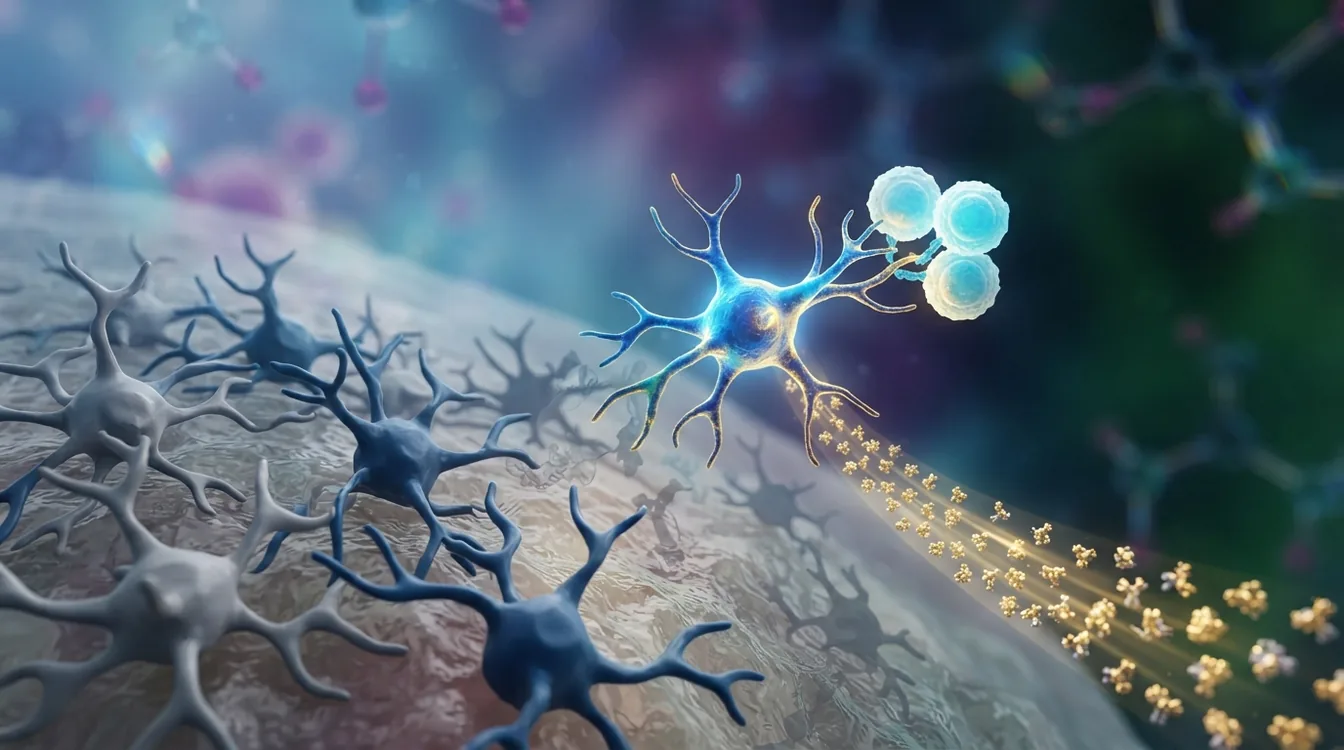
A Unified Cause for Loss of Type 1 Dendritic Cell Function in Aging, Cancer, and Chronic Infection
Key Takeaways
  • Generally speaking, patients with more type 1 conventional dendritic cells tends to exhibit better outcomes, because the cancer will be more aggressively attacked by the immune system.
  • Unfortunately, the population of type 1 conventional dendritic cells declines with age.
  • Today's open access paper assembles existing data to provide a coherent viewpoint on the interconnected mechanisms leading to the age-related loss of type 1 conventional dendritic cells, and proposes a readily available solution, albeit one involving cell therapy.
Read the full article at Fight Aging! ↗

Continue exploring

Recommended MoL Picks

MoL PickCreatine and Cancer: Why New Mouse Studies Point in Opposite DirectionsCreatine strengthened antitumour immune cells in one mouse study—and promoted metastasis through platelets in another. The apparent contradiction reveals why neither result is a supplement recommendation.MoL PickGrowth Hormone Receptor Deletion Extends Mouse LifespanStudy summary: researchers switched off the growth hormone receptor in middle-aged mice and followed survival and physical function.MoL PickWhat Changes in the Human Hippocampus with Age?A study of 40 postmortem brains maps a midlife shift in immune cells and a wider loss of cellular and genome organisation—but it does not show how to prevent cognitive decline.