
News summary

A study on the changes in the microstructure of trabecular bone and the biomechanical properties in patients with osteoporotic fractures and the correlation between them

Source: Frontiers - Health • Published: 16 Oct 2026, 00:00

Summarized by Masters of Longevity from Frontiers - Health.

This clinical-experimental article examines changes in trabecular bone microstructure and corresponding biomechanical testing to investigate bone quality in patients with fragility fractures.
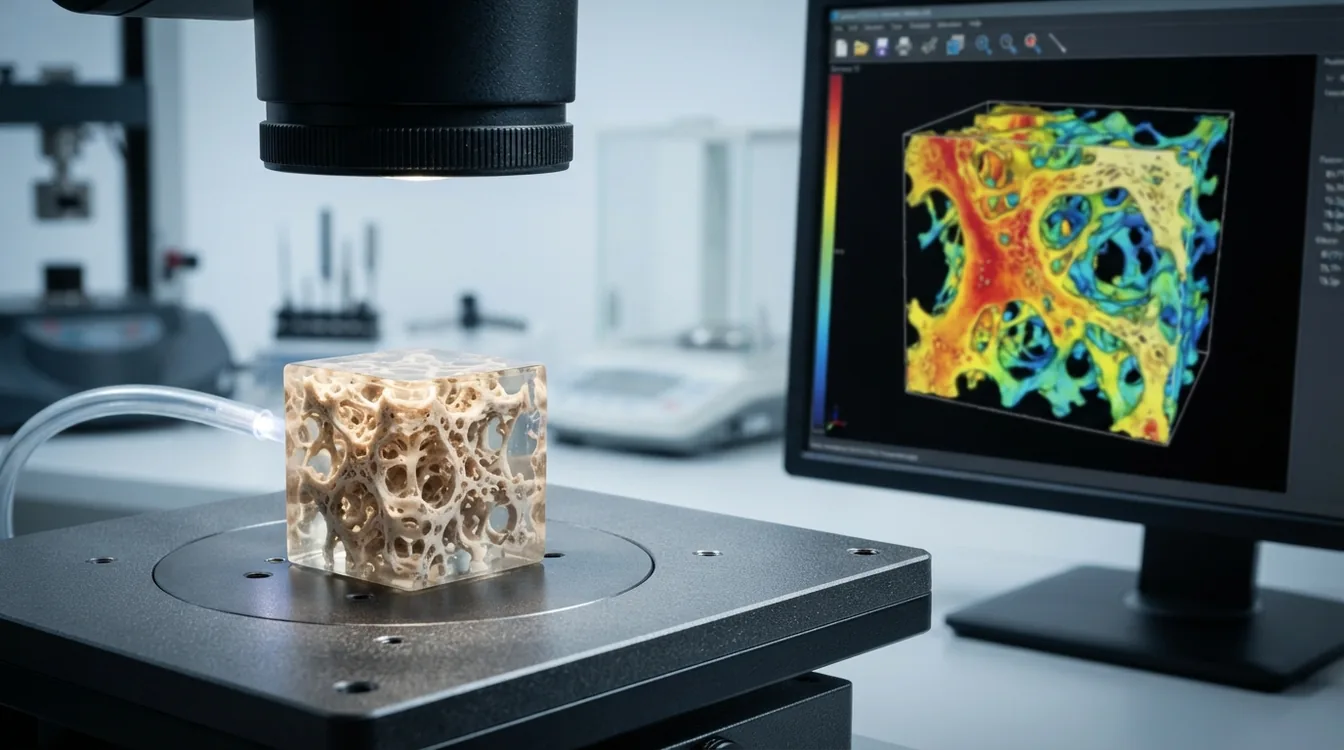
A study on the changes in the microstructure of trabecular bone and the biomechanical properties in patients with osteoporotic fractures and the correlation between them
Key Takeaways
  • Twenty femoral heads from fragility fracture patients and thirteen from hip degeneration patients were collected for ex vivo analysis.
  • Cylindrical trabecular specimens were sampled from the middle femoral neck and scanned by micro-CT before compression, bending, and torsion tests.
  • Specimens from both groups were fixed in 10% neutral buffered formalin and processed with a unified sampling and testing workflow.
Read the full article at Frontiers - Health ↗

Continue exploring

Recommended MoL Picks

MoL PickPlan Your Health Tests in Three MinutesThe free Personal Health Diagnostics Planner turns a short questionnaire into a ranked, personalised PDF: a clearer starting point for deciding which health checks deserve attention now.MoL PickCan You Really Measure Whether You’re Aging More Slowly?A younger epigenetic-age score can look like proof that an intervention is working. A major new analysis shows which clocks detect change—and why movement is not yet the same as longer healthspan.MoL PickBiotin for Hair Growth: The Weak Evidence—and the Blood-Test Risk Most People MissBiotin deficiency can affect hair. That does not mean more biotin makes healthy hair grow—and high doses can distort important laboratory results.