
Summarized by Masters of Longevity from Nature - Main.
Review of the expanding catalogue of programmed and accidental cell-death types, how new technologies reveal diverse mechanisms, and implications for disease biology.
Key Takeaways
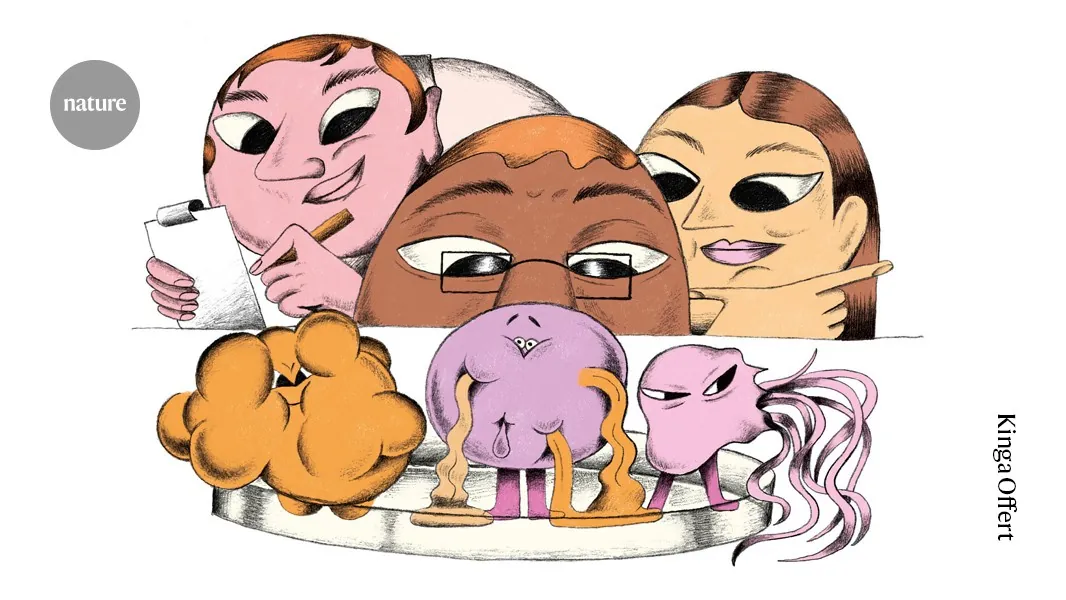
- Tang’s experience has been repeated again and again in the twenty-first century, with scientists describing 20 or so new kinds of cell death — and counting — since 1999 (see ‘Many ways to die’).
- This is a major change: researchers used to think there were two main ways cells could die.
- Death could happen by accident, such as when a cell is squashed, sliced or otherwise destroyed; this is called necrosis.


